hotelvak.be
EN

Platform on hotel management, interior design and design in Flanders
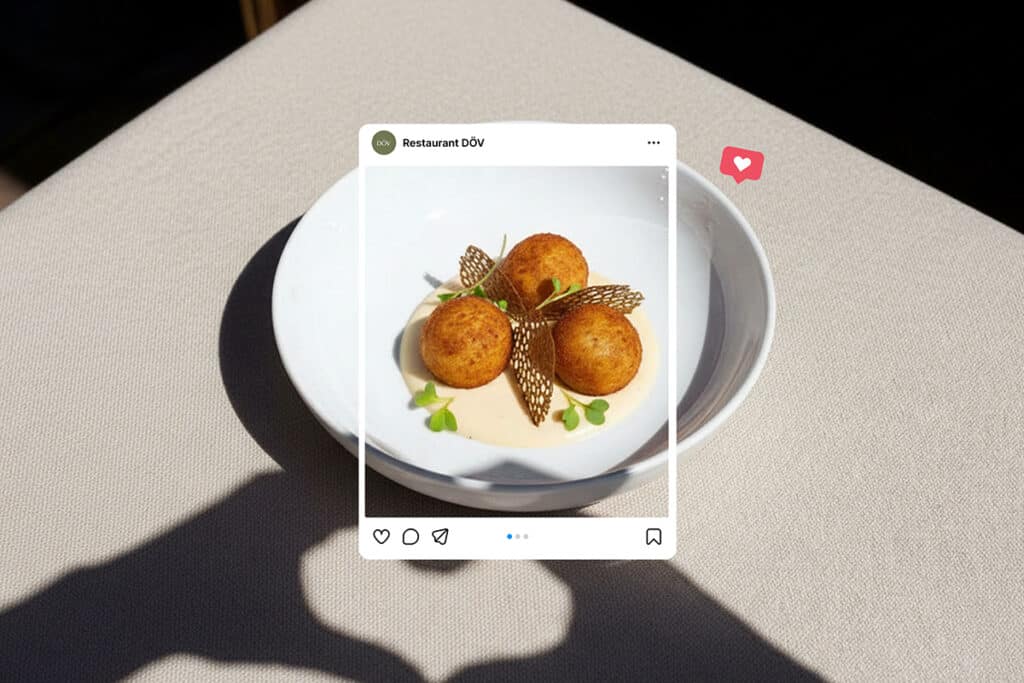
More and more restaurant visits start not at the table but on a screen, although not every guest is guided by likes. From new research by Lightspeed shows that online visibility for hospitality and hotel businesses is indispensable, even if not every guest is guided by posts.
The survey of 2,000 restaurant visitors and 200 hospitality entrepreneurs shows that almost half of consumers (47%) consider a restaurant without an online presence to be outdated. In addition, 36% feel that an active social media page makes a hospitality business more attractive.
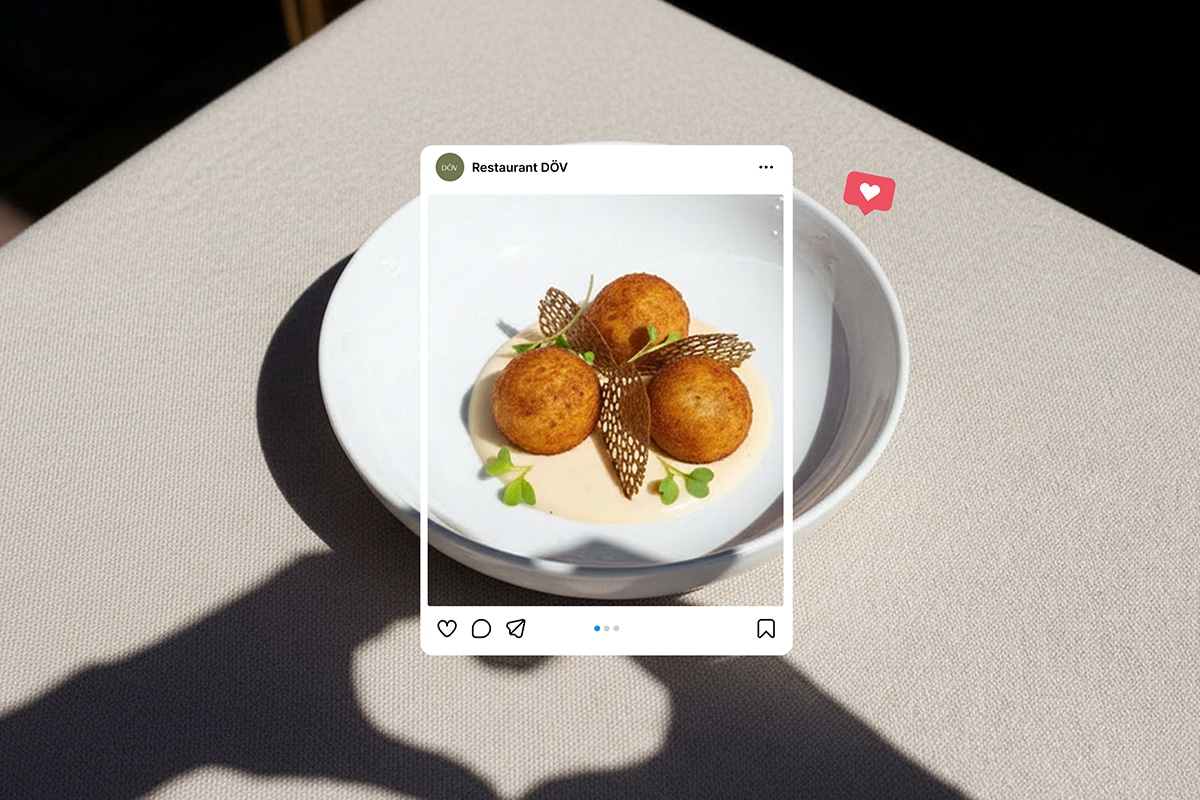
For hotel restaurants, this means that the appearance on social media is increasingly part of the overall guest experience. By regularly sharing atmosphere and menu, hotels create a recognisable and familiar image for both hotel visitors and people from outside considering dining at the restaurant.
Overall, a third (33%) of restaurant visitors say posts on social media play a role in their restaurant choice. Among young people, this percentage is significantly higher: 53% of 18- to 34-year-olds say that social media influences their choice, compared to only 11% among over-65s.
Among 38% of visitors, trust grows when a restaurant regularly shares something about the menu and atmosphere. Among 18- to 34-year-olds, that percentage is significantly higher at 53%, while among those over 65 it is 18%. A consistent online presence helps hotel restaurants clearly position their own identity and make it visible to potential visitors.
The impact of food influencers is especially high among younger audiences. Among 18- to 24-year-olds, 37% say they are more likely to visit a restaurant after an influencer post, and that influence also remains remarkably high among 25- to 34-year-olds (30%) and 35- to 44-year-olds (29%).
From the age of 45, persuasion drops off rapidly. Among 55- to 64-year-olds, only 8% still say they are inspired by influencer content, and only 4% among over-65s. So for hotels, influencer content can be valuable, but especially if the restaurant attracts a target audience that is sensitive to it.
Although social media is an important source of information, only 27% of guests themselves share photos or videos of their restaurant visit. Of this group, 31% tag or mention the restaurant when they post. Younger generations in particular see tagging as part of the experience: 38% of 25- to 44-year-olds tag the restaurant establishment when they share photos of their restaurant experience.
Instagram and Facebook remain the most popular social media channels to find information about restaurants (16% and 18%, respectively), followed by TikTok (10%).
On the entrepreneurial side, enthusiasm is high. More than half (57%) of hospitality entrepreneurs see that an active presence on social media actually leads to more reservations. In addition, 43% call online visibility essential for running their business, and 40% say sharing content helps build guest loyalty. 39% of hospitality businesses even have an employee or team responsible for social media.
Social media has thus become an extension of the guest experience. From storytelling to loyalty building: those who tell their stories consistently build brand equity and trust.
The fact that guests and entrepreneurs sometimes perceive social media differently can actually create opportunities. Consumers remain critical, but the majority do expect a restaurant to be visible and tell a story.
For entrepreneurs, the key is not just to post, but to listen. Data insights help understand what appeals to different audiences, when they respond and what ultimately leads to reservations. Variation in content, responding to trends and working with creators who have an engaged community increase reach and impact.
Authentic content remains indispensable in this respect: at the end of the day, it is all about the online story connecting with the experience at the table, so that technology and hospitality reinforce each other.
Neem dan rechtstreeks contact op met Lightspeed Commerce.
 Contact opnemen
With Lightspeed's advanced platform, global entrepreneurs can simplify their workflow, scale up and offer exceptional experiences to their customers. Lightspeed's POS system is designed for hospitality entrepreneurs with ambition. We give entrepreneurs the tools they need to challenge the status quo. Lightspeed Restaurant Lightspeed's complete entrepreneurial platform enables global hospitality entrepreneurs to [...]
Bekijk Bedrijfsprofiel