hotelvak.be
EN

Platform on hotel management, interior design and design in Flanders
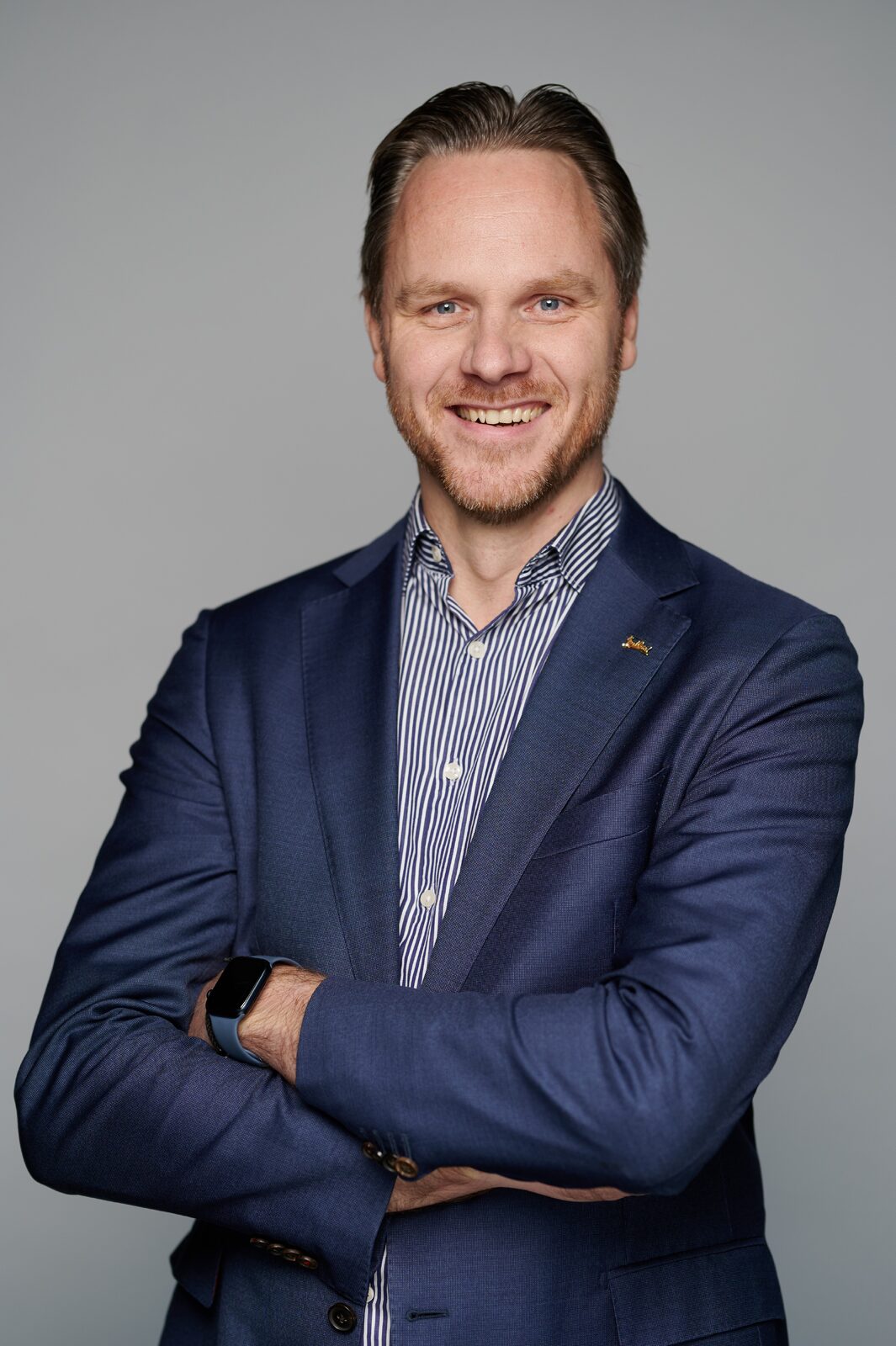
Conserving a hotel while it remains operational, guests expect the same quality, and owners need to justify their investments: the path to Net Zero is not an easy one. According to Sven Wiltink, Senior Director Sustainability at Radisson Hotel Group, the challenge lies precisely in the combination of technology, business operations, suppliers, data, and investments. Yet the first projects show that substantial emissions reductions are possible without losing sight of the hotel experience.
Anyone who thinks only in terms of solar panels or a more efficient heating system when it comes to Net Zero underestimates the scale of the exercise. Moreover, the possibilities vary greatly from building to building and from market to market. The state of the property, the availability of renewable electricity or low-carbon district heating, the required investments and the coordination with owners all play a role.
On top of that comes the daily hotel operations. “The approach cannot be identical everywhere,” emphasizes Wiltink. Radisson Hotel Group therefore works with solutions that are tailored to the building and the local infrastructure per hotel.
According to Wiltink, the biggest structural gain lies in phasing out fossil fuels and switching to renewable energy. At the Radisson Hotel Manchester City Centre, this meant, among other things, full electrification, heat pumps for hot water and a fully electric kitchen. As a result, the total ecological footprint decreased by about 60 percent, even before the remaining emissions were removed.
But that is not the end of the work. Scope 1 and Scope 2 emissions can be significantly reduced through energy efficiency, electrification, and renewable energy. Scope 3 proves to be much more complex. This includes things like food and beverages, outsourced laundry, grooming products, purchased goods, waste, commuting, and business travel.
Food & beverage is particularly important. According to Wiltink, food in a typical hotel accounts for 50 to 70 percent of the operational Scope 3 emissions. At the same time, food is an essential part of the guest experience. The solution therefore isn’t simply offering less food, but rethinking recipes, menus, and ingredients.
Together with the Swedish specialist Klimato, Radisson analyses breakfast, restaurants, room service, and meetings & events, among other things. According to the group, adjustments to recipes and ingredients have already resulted in emission reductions of up to 40 percent.
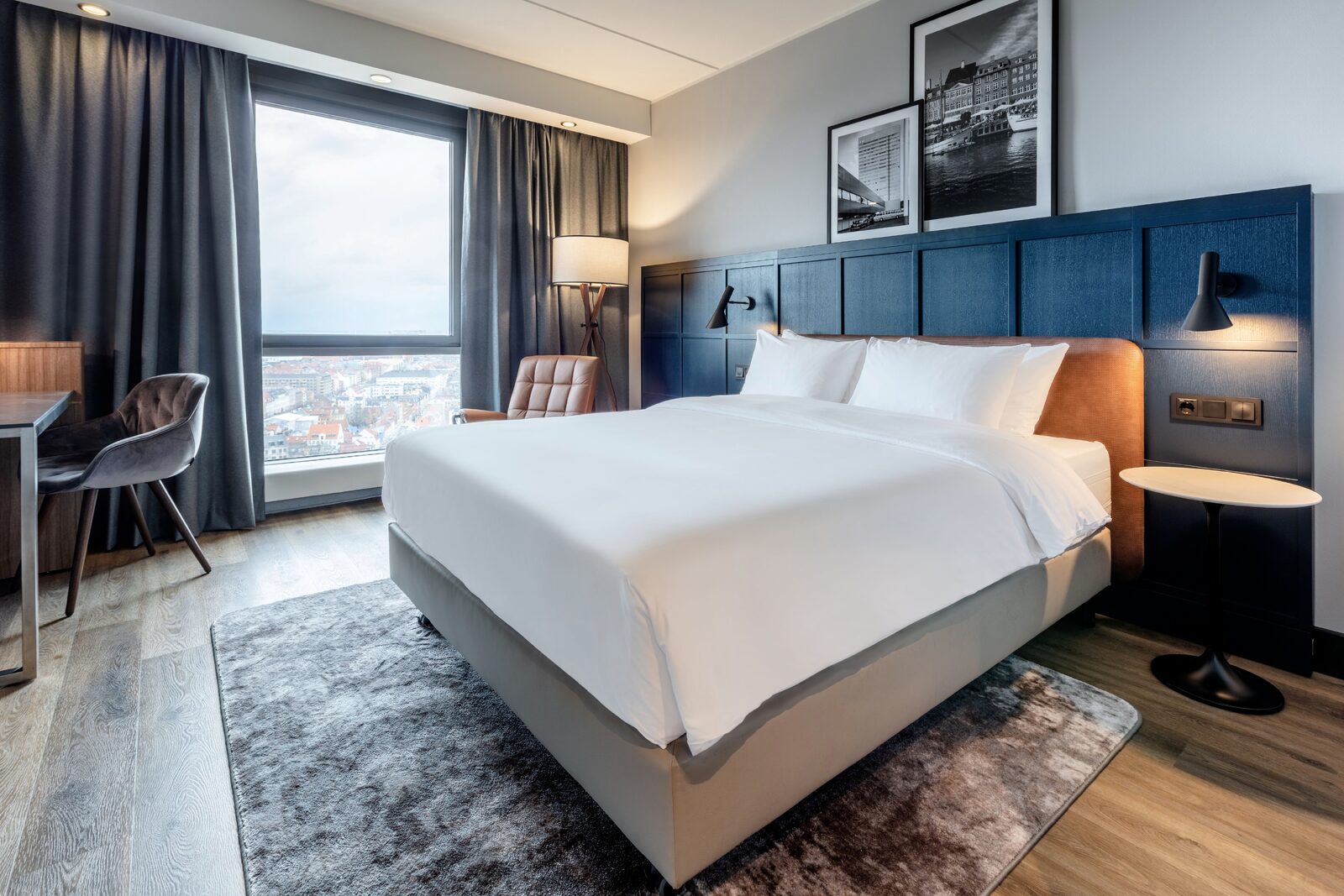
According to Wiltink, sustainability does not have to come at the expense of comfort or commercial performance. The Verified Net Zero hotels in Manchester and Oslo achieve recognition scores of more than 70 percent. Approximately one in five guests indicate that the Net Zero status played a role in their booking decision.
Radisson is also interested in formulas with lower CO2 emissions for meetings and events. At the same time, the approach must remain credible. Therefore, the hotels within the program are independently verified by TÜV Rheinland. Auditors check, among other things, the emission data, documentation, the decarbonization plan, and the implementation of the measures.
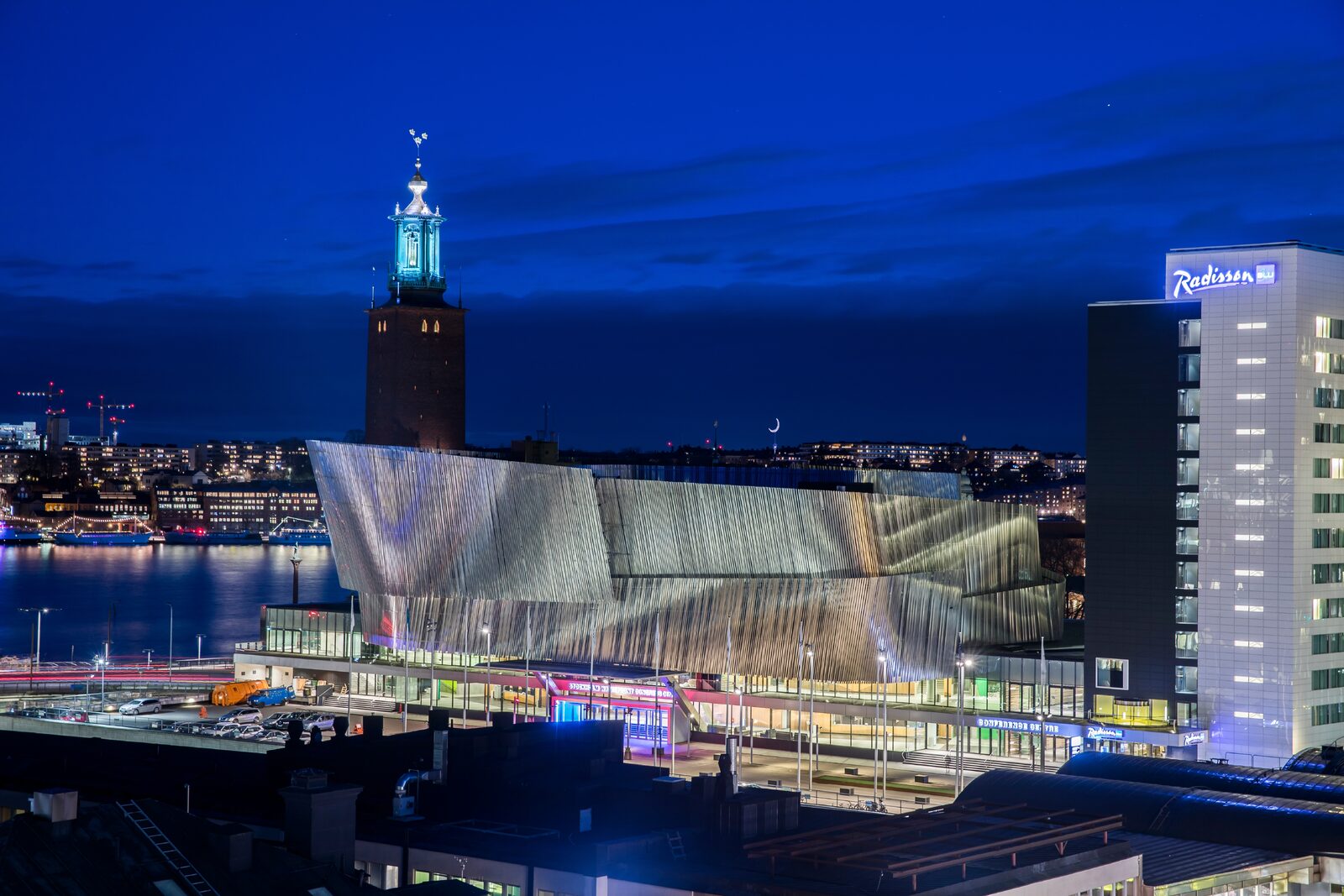
By 2030, Radisson Hotel Group aims to have 100 Verified Net Zero hotels operational. Currently, the portfolio includes nine properties. By the end of 2026, three more properties are expected to join the portfolio, including the first Verified Net Zero hotel in Africa. After that, the pace should gradually increase.
For hoteliers who want to get started themselves, Wiltink has just one message: don’t wait for the perfect solution. Start with a detailed baseline assessment, identify energy consumption and the most important operational emissions, and determine where the greatest reductions are possible.
After that, a phased investment plan can be followed, tailored to the building, energy systems, and ownership model. But just as important is the operational side. Energy efficiency can lead to rapid savings, but lasting progress also depends on purchasing policies, nutrition, waste management, employee training, and reliable data.
Net zero is therefore not a one-time technical project, but a program that must be embedded deep into the daily operations of a hotel.