hotelvak.be
EN

Platform on hotel management, interior design and design in Flanders
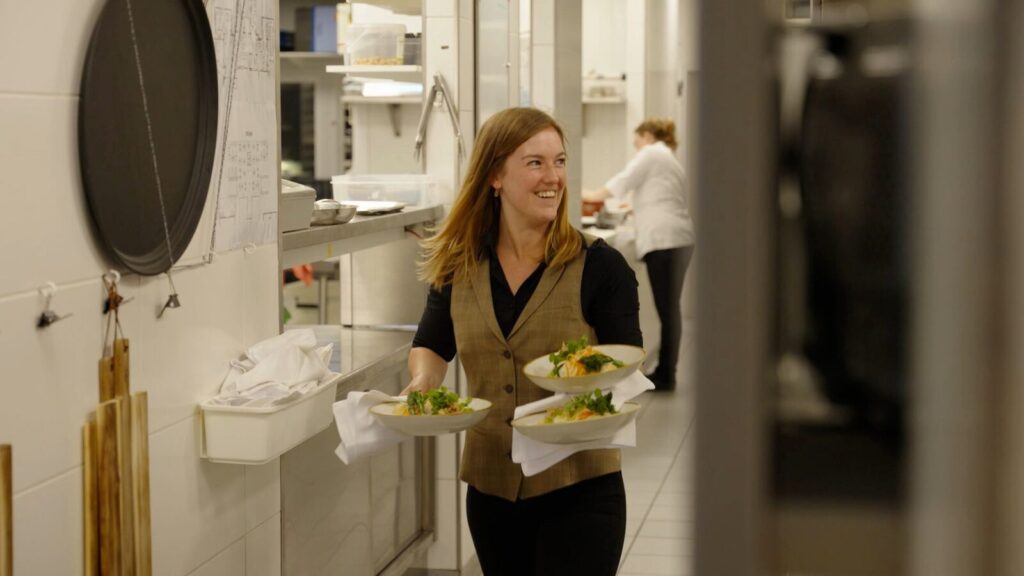
A hotel team adapts to staffing, events, seasons, and last-minute changes. This flexibility is commercially necessary, but it also makes personnel administration prone to errors.
Ariane Hotel in Ypres brought planning, availability, time recording, Dimona reports and payroll preparation together in one digital system. The result: less paperwork, more overview and a stronger position in audits.
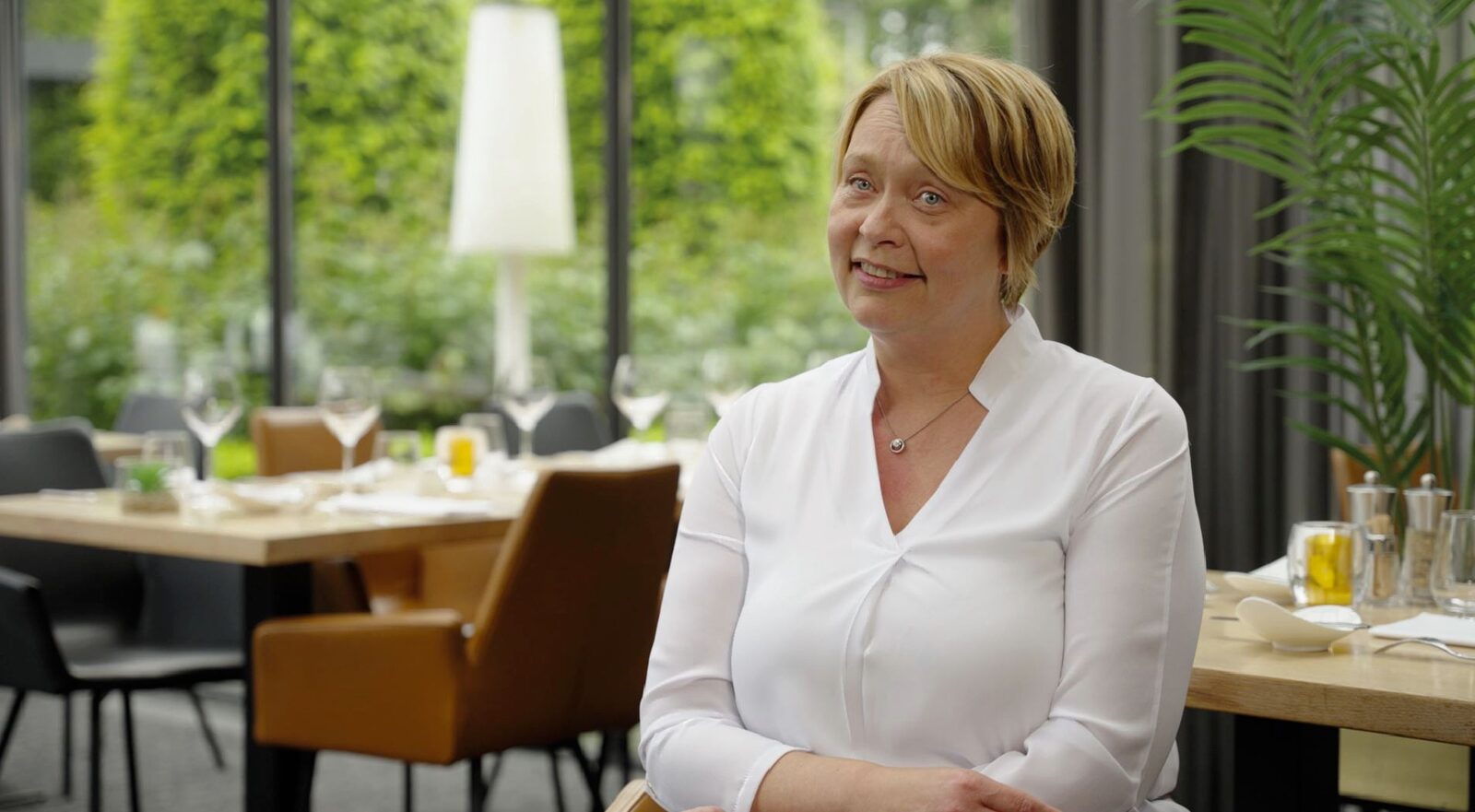
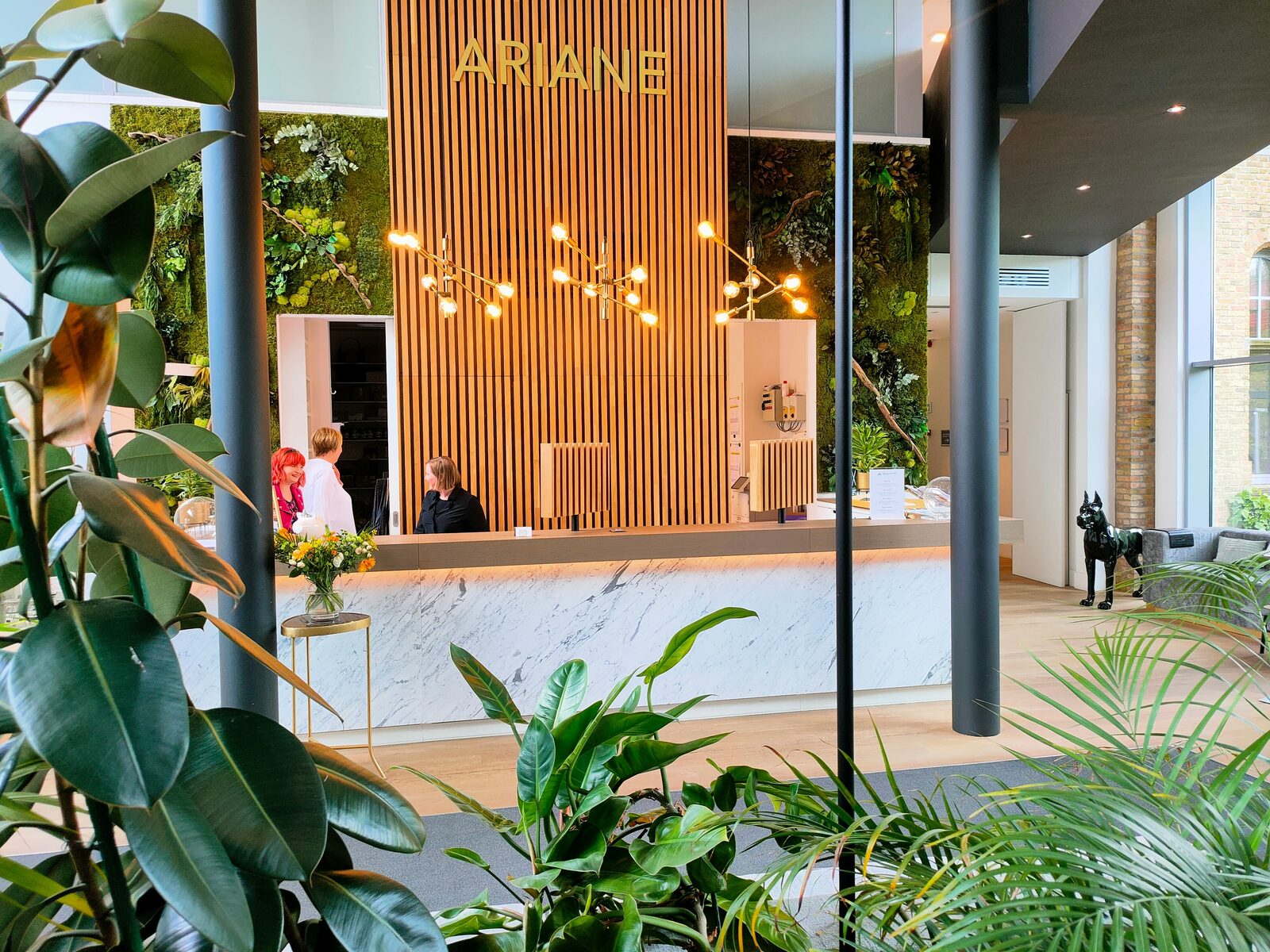
The family-run four-star hotel has 62 rooms, a restaurant and a terrace. In total, there are sixty employees: thirty permanent staff, fifteen part-time workers and fifteen job students, divided between reception, kitchen, rooms and housekeeping. It was precisely this mix that made a tight schedule indispensable.
In the past, availability was requested via email and then processed in Excel. Completed hours were recorded on paper slips, changes in Dimona had to be entered manually, and preparing the payroll process also required a lot of manual work. According to co-owner Natasja Feliers, this took two to three working days each week to manage the personnel planning process.
An inadvertent error in a Dimona report led to a penalty from the social inspection in 2019. For Ariane Hotel, that was the moment to thoroughly evaluate the existing workflow. With Strobbo, the hotel then gradually implemented the transition to a more integrated and digital personnel administration. Availability of flexible employees is now collected in the system, after which the planning is built centrally. Leave requests, Dimona reports, and hours worked are also managed there. Job students can sign their day contract when they enroll and their data is then retrieved in the app. This means that information no longer has to be transferred between emails, spreadsheets, sheets, and separate applications.
According to Feliers, the time savings are significant. “In the past, I spent two to even three working days a week on personnel planning. Now that’s just two days a month. But at least as important is the peace of mind that an integrated approach brings: data are kept in one place, deviations are more easily visible, and the chance of manual errors is significantly reduced.”
Digitalization not only yields administrative benefits. Ariane Hotel also uses the system to view planned payroll costs per day and to link the planned number of employees to revenue. This makes workforce planning an operational management tool: the hotel can subsequently analyze where staffing was adequate and where further adjustments are needed. The implementation was deliberately carried out in phases. The hotel began with time recording and later added additional functions and modules. This approach lowered the threshold for employees and enabled them to professionalize processes at their own pace.
A social inspection need not be an improvisation exercise. Hotels should keep personnel data, time schedules, recorded performance, Dimona reports, contracts and deviations consistently and readily available. An integrated system helps to centralize that information and reduces the risk of conflicting or missing data. In a Strobbo Inspiration Session, Sofie De Keersmaecker from SD Worx discusses how hospitality businesses can practically prepare for a social inspection.
The announced obligation regarding time recording is also worth noting. The federal government has expressed its intention to make an objective, reliable and accessible registration system mandatory for employers starting January 1, 2027. However, the exact legal details are not yet completely finalized. Strobbo reports that exceptions, more flexible rules and the question of whether registration should be mandatory digitally must be further clarified.
But hotels don’t have to wait for every detail to be implemented. By now checking that start and end times, overtime, deviations, and performance of both permanent and flexible employees are being recorded correctly, you’re simultaneously building compliance, smoother payroll processing, and better staff management.