hotelvak.be
EN

Platform on hotel management, interior design and design in Flanders
BELGIANS ABROAD
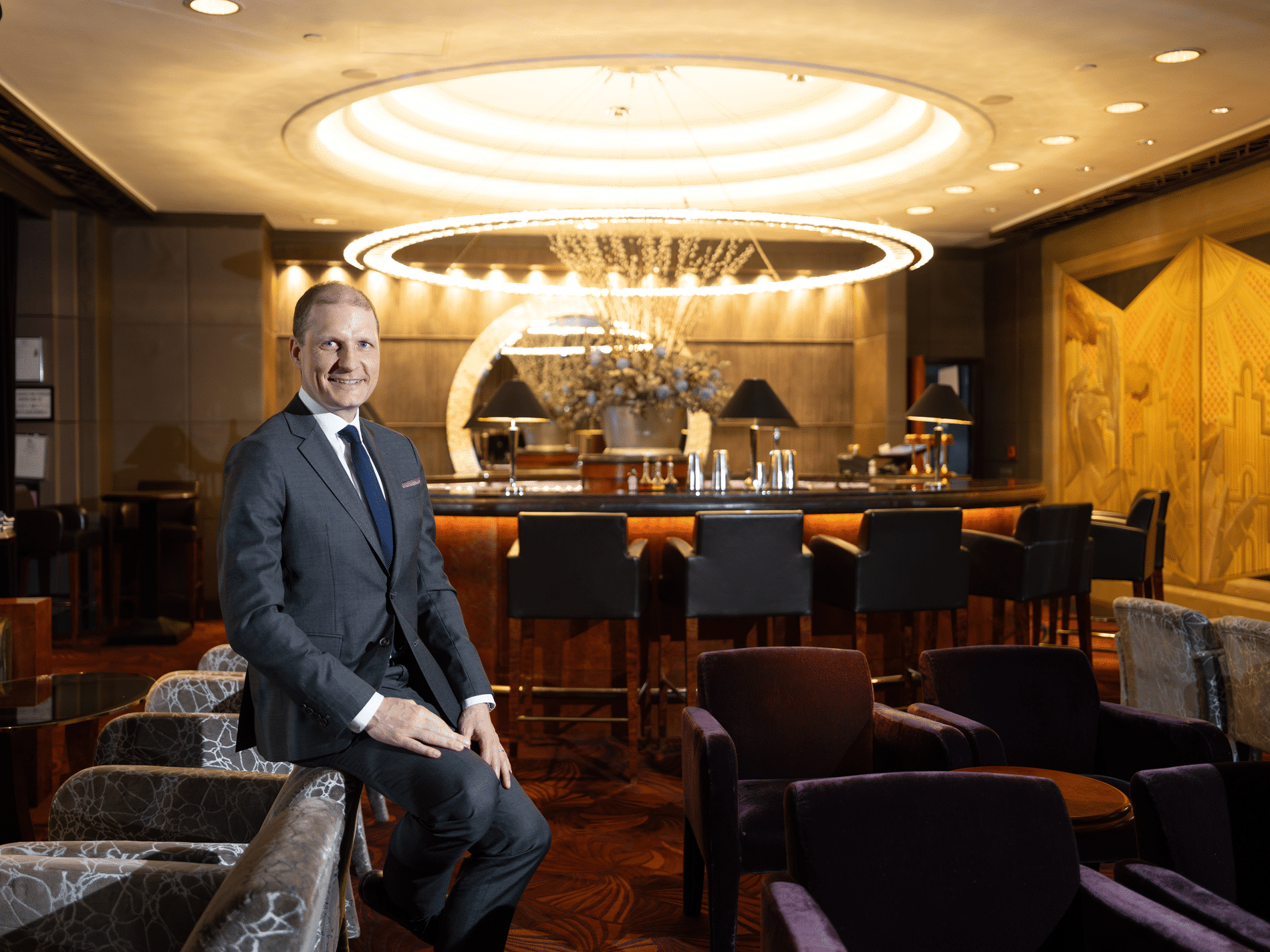
The rolling “Ghent G” is still there. Even after twelve countries, multiple continents, and an international career that took him from catering kitchens in Ghent, via the Middle East, Africa and Southeast Asia, all the way to Hong Kong. When we speak to Alexis Fache, Executive Assistant Manager Food & Beverage at the Grand Hyatt Hong Kong, the conversation surprisingly quickly turns away from job titles or organisational charts, and towards Ghent. About Sint-Barbara. About how upbringing, language, and culture embed themselves in a person, even if they move thousands of kilometres away. “You change country,” he says, "but not your foundation."
That foundation was laid around the dinner table. At home, meals were shared, parties were held and guests were entertained. Hospitality wasn't a profession, but a given. The step towards caterers, events and large sporting spectacles like the Six Days of Ghent and international ATP and golf tournaments felt like a natural progression. He didn't learn hospitality from textbooks, but through hands-on experience, amidst logistics, timing and expectations. Today, he co-manages one of the most extensive food and beverage operations in Asia. Sixteen outlets, around six hundred employees, international events and a constant stream of guests. During peak periods, over a thousand visitors pass through the hotel's restaurants daily. Yet, he refuses to inflate the importance of the job. “You’re on a stage. You’re an actor. We’re in the business of making people happy. We’re not heart surgeons.” This perspective is not nonchalance, but a way to stay sharp without losing yourself.
The longer Alexis speaks, you notice one metaphor recur: it's a marathon. He runs himself several times a week. Not ultra-trails, but long, slow runs where consistency is more important than speed. “It never goes as planned. Something always deviates. The better prepared you are, the calmer you remain.”
He translates this logic directly into his work. For a competition, he lays out his clothes the evening before, plans his breakfast, and arrives well in advance to warm up. He works according to the same principle at the Grand Hyatt. Anticipate. Build structure. Filter information. With sixteen outlets, he cannot possibly control everything. He still signs off on every menu, but cannot oversee the execution everywhere at once. Hundreds of emails and messages pour in daily. ’You have to learn to read quickly, to see the essence. What is truly important?“ Micromanagement is out of the question. Overview, preparation, and trust in your team are essential to avoid being overwhelmed by the scale of the operation.
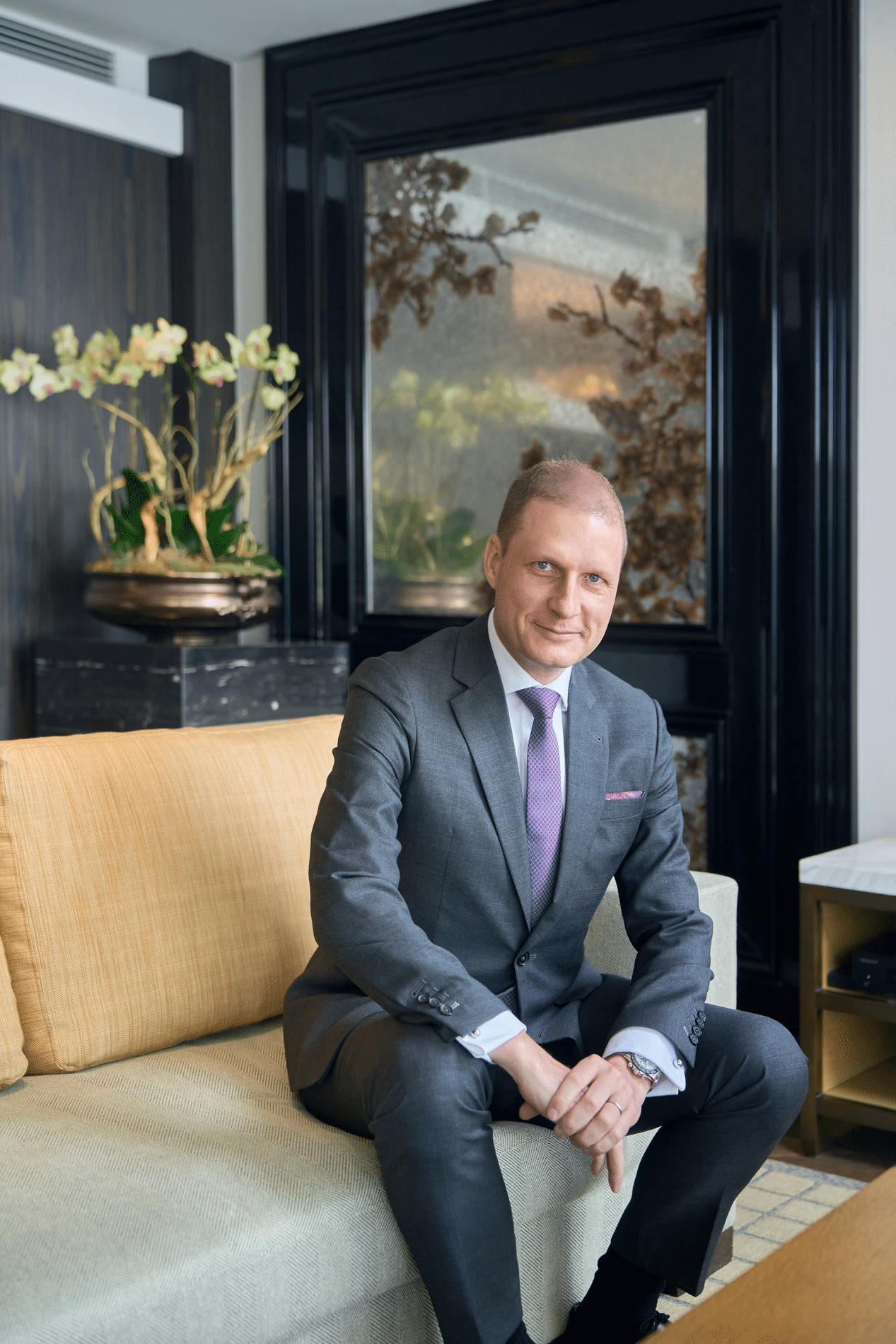
Instead of control, he consciously opts for ownership. Every outlet manager works with a full annual plan: food, beverage, entertainment, and marketing. They present their plans, receive critical questions, and adjustments where necessary. But once the plan is validated, the responsibility lies with them. “You gotta own it.”
Growth, he believes, doesn't come from simply doing what's asked. “You don't grow by doing what's in your job description. You grow by taking initiative.” His role is to create a safe space where people dare to make suggestions. But safety doesn't mean a lack of accountability. “You own your stuff. If you propose it, you have to stand by it.” This approach has translated into a remarkable number of internal promotions in recent years. Not because he suddenly became a different kind of manager, he says, but because the culture evolved from mere execution to ownership.
After twelve countries, he knows that leadership is never culturally neutral. In Thailand, he noticed how indirect communication can be. In Africa, how strongly hierarchy lives. In Hong Kong, visibility is essential. “They want to see you. They want to see the person behind the hotel.” Daily, he makes rounds through the lobby and restaurants, greets guests and speaks to staff. That ‘giving face’ is not a detail, but part of the leadership. At the same time, he remains aware of his position as an expat. “You are a guest in the country. You don’t have to understand everything, but you must show respect.” Humility and cultural sensitivity therefore form the first piece of advice he gives young professionals dreaming of an international career in hospitality: listen, observe, and don’t come in with the idea that your way is the only correct one.
Not every step in his career went smoothly. A move to Thailand, in hindsight, proved to be an important learning experience. “During the interview, I had a feeling that we weren't entirely on the same wavelength,” he reflects. “But I wanted to make that move so badly that I pushed that feeling aside a bit.”
The ambition to move to Asia weighed heavier at that moment than the doubts that also existed. The role seemed to be a perfect fit in terms of content; on paper, the picture was right. In practice, the collaboration turned out to be more complex than expected. “I put a lot of energy into that. You keep trying, you want it to work, you adapt. But at a certain point, you realise you're forcing yourself a bit.”
It didn't become a failure, but it was a period that demanded a lot mentally. In retrospect, he looks back on it without bitterness. Quite the opposite. “I learned an enormous amount from it. About communication, about expectations, but mostly about myself.”
He learned two things from it. Firstly: trust your gut feeling. Secondly: it's important to believe in yourself, but even more important that there are people who believe in you. “You gotta make sure you work for people that want you to grow.” Mentoring is not a detail. Those who work for leaders who don't invest time in development will stagnate, no matter how hard they work.
His ambition is clear. In the long term, he wants to become a general manager, not to be more visible, but to work more strategically. After that, he aims for a regional role. “I feel that my role is increasingly less about tweaking every little thing, and more about determining where the machine needs to go – preferably without having my hands everywhere at once. Not because details are unimportant, but because I've learned that providing direction sometimes requires more than wanting to hold onto everything yourself.”
At the same time, he realises that an international career comes at a price. Hong Kong offers few safety nets: visas, school fees and housing are tied to professional stability. Success demands investment and sacrifices, especially at the start of a career. “You can't build anything by being only half in.” But investing doesn't mean working blindly. It means consciously choosing environments that bring you closer to your goal.
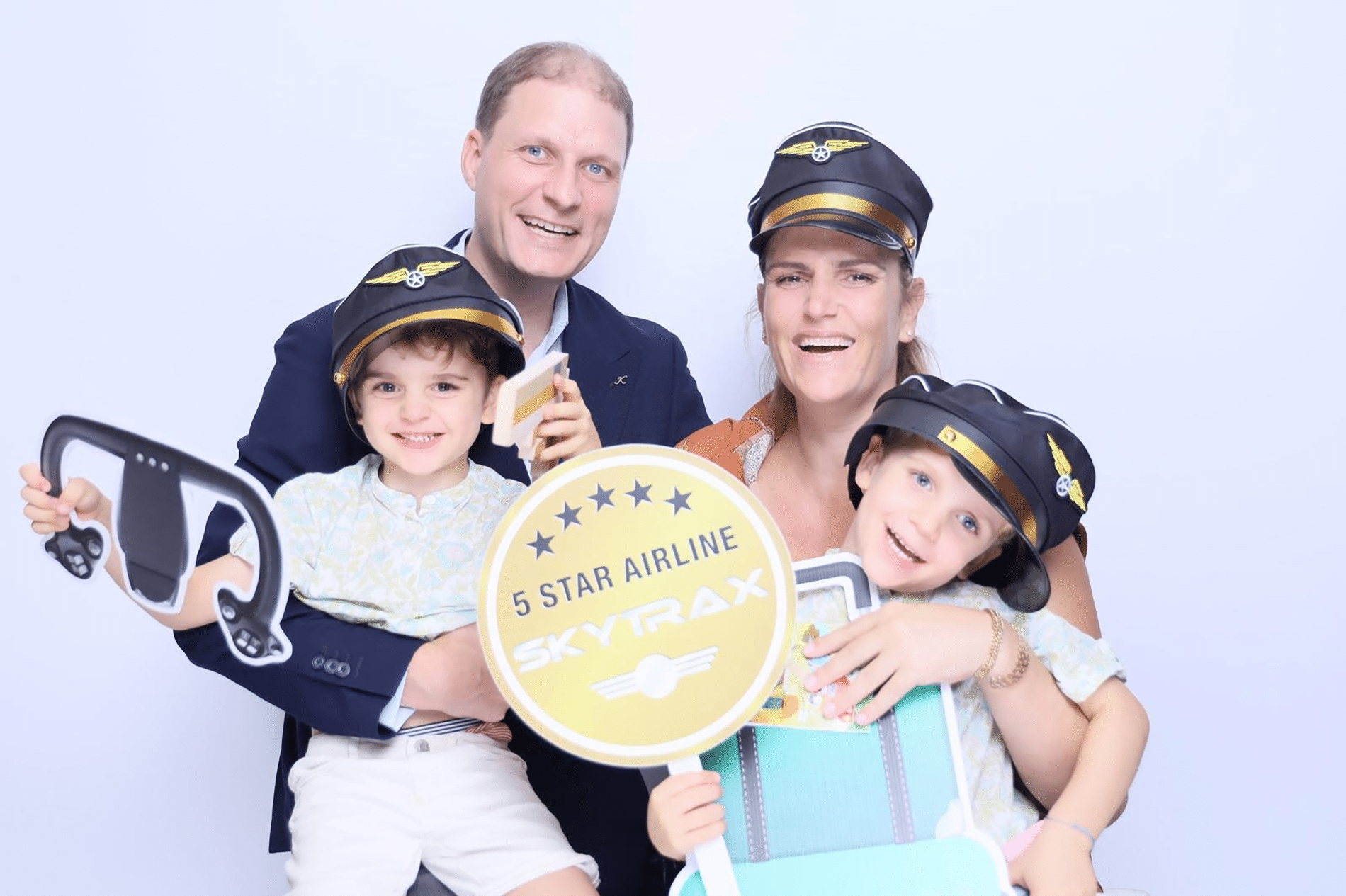
When asked where he personally wants to grow, he answers thoughtfully. Not out of deficiency, but from awareness. “As time goes by, you realise how important it is to be present – not just professionally, but also at home. Balance doesn't become an end in itself, but a choice you make every single day.”

His third piece of advice for young hospitality professionals is clear: don't lose sight of your goal. The sector is tempting. A trendy restaurant here, a rooftop bar there, quick opportunities, quick exits. “You get distracted very quickly in our industry.”
Anyone who wants to become a hotelier must work in environments where that learning process is possible. Those with Michelin ambitions should choose chefs who share that ambition. The fastest route is not always a straight line, but every step must add something. He himself looked at each career step to see what he still needed to learn to reach the next level. Every experience – from large-scale operations in Africa to complex F&B structures in Asia – had to bring him closer to his ultimate goal.
Ultimately, he summarises his leadership vision in one sentence that he has carried with him since his school days: “Take people with you on a journey.” Whether it’s guests, employees or young talent: you can’t do it alone. You have to take people along, inspire them and align them around a common goal.
Anyone who contacts him via LinkedIn for advice or an internship usually gets a response. “I almost always say yes to a conversation.” Because ultimately, his journey also started with people who believed in him.
The conversation began as an interview, but evolved into a story about discipline, ownership, and cultural intelligence. It’s about a Ghent native who holds his own in one of the world's most competitive hospitality markets, and who, despite sixteen restaurants and hundreds of employees, still starts from the same principle as at the family dinner table: bringing people together and taking them on a journey.