hotelvak.be
EN

Platform on hotel management, interior design and design in Flanders
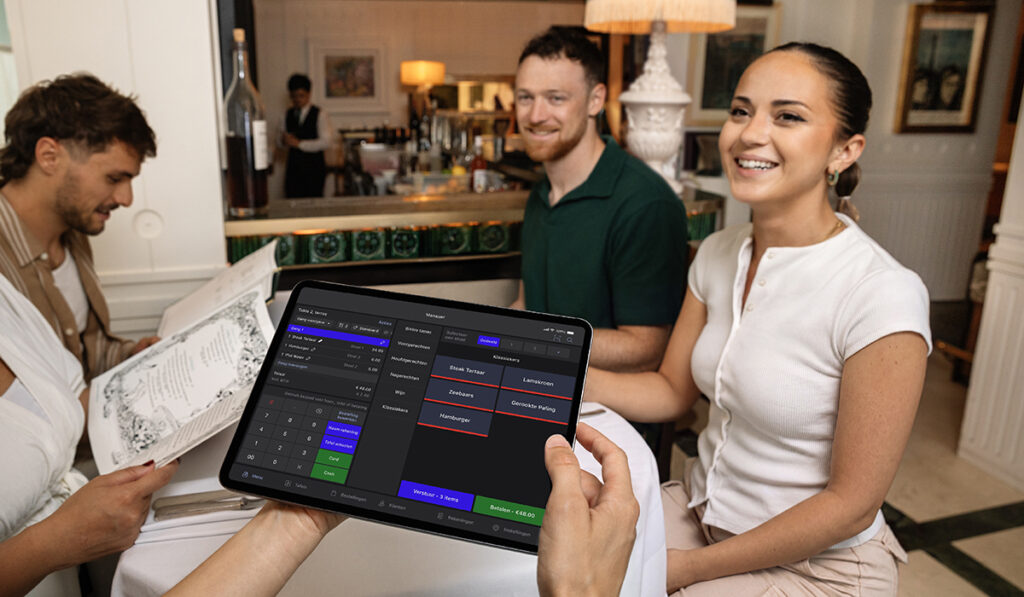
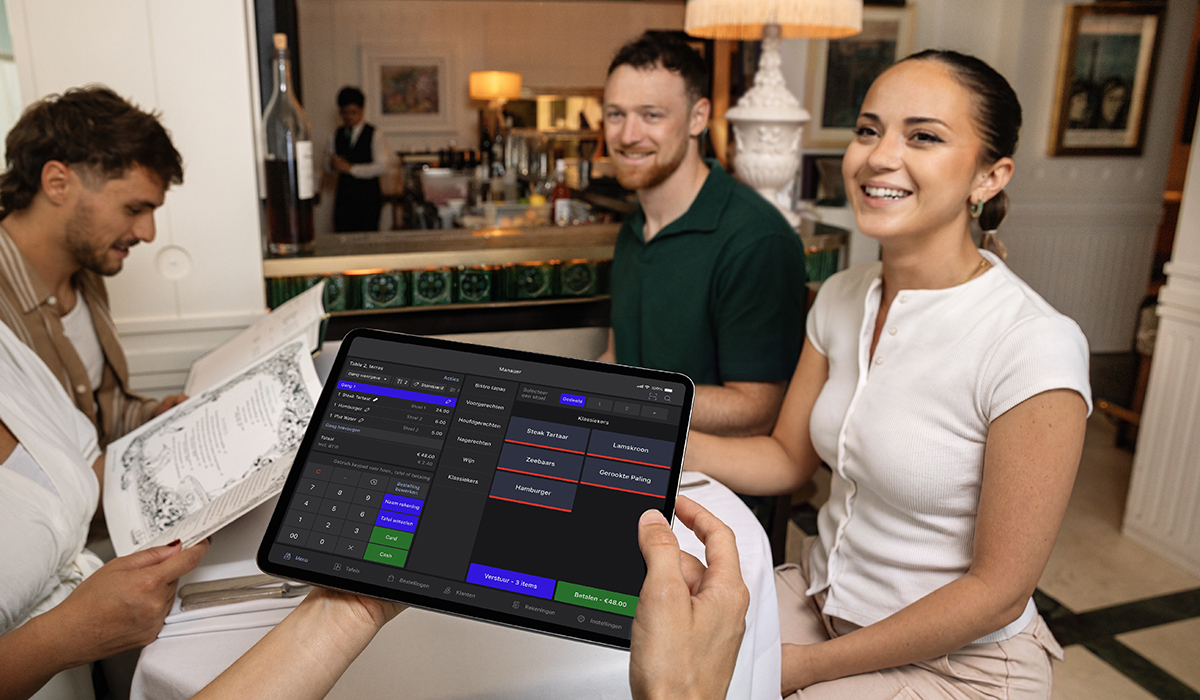
Personalization in the hospitality industry goes beyond technology. Good teams have always sensed when a guest wants advice and when they are looking for space. That instinct is not new. What is changing is the scale at which it can be applied. Digital point-of-sale systems, dashboards, and AI make patterns in choices and popularity more visible than even the best memory can keep up with. Technology makes the signals visible; the team makes it hospitality.
And those signals point to something that every operator recognizes: the guests at one table want different things. In a study by Lightspeed* Among more than 1,000 restaurant visitors in Belgium, 85 percent consider personal attention to be important, from 76 percent among Gen Z to 90 percent among millennials. What the guest below understands differs.
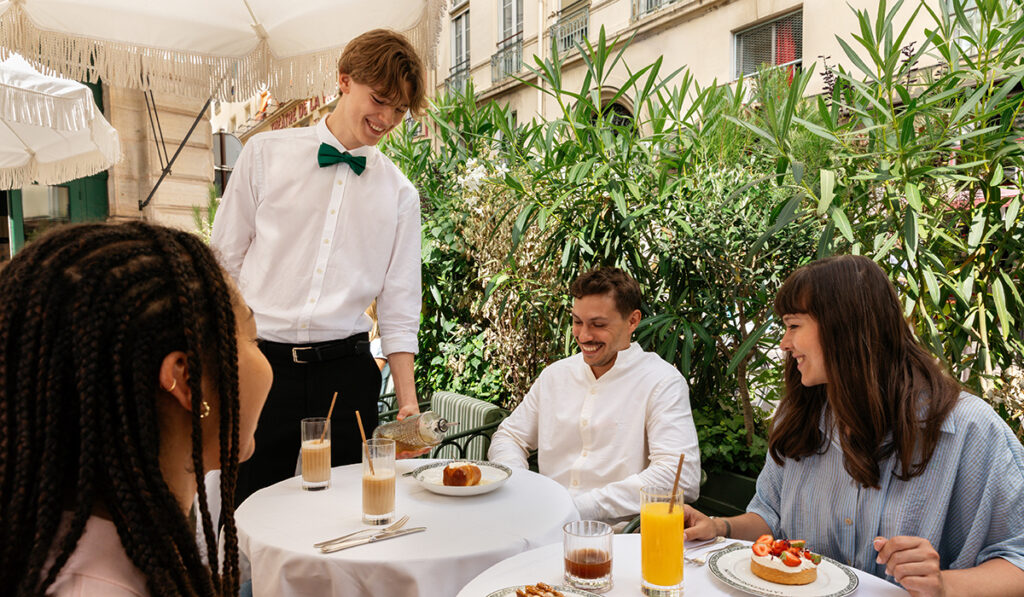
Kindness tops the list of service characteristics, with 44 percent. But that average hides a sharp divide. Among baby boomers, 73 percent cite kindness as one of the most important characteristics; among Gen Xers, 60 percent; among millennials and Gen Zers, about a third. Reliability, without errors in ordering or billing, also weighs more heavily as the guest gets older: from 25 percent among Gen Zers to 37 percent among baby boomers. For the older guest, the warmth of the interaction is the heart of the experience. And that includes a bill that’s correct.
The younger guest looks at something else: a customized approach. 26 percent of Gen Z consider individual service to be important, compared to 13 percent of baby boomers. Clear communication, for example in case of delays, scores 22 to 24 percent with Gen Z and millennials, compared to 11 percent with baby boomers. Speed doesn’t make the difference: Gen Z and baby boomers cite fast service equally often, both 26 percent. The younger guest isn’t interested in faster service, but in something more personal.
Even in the advice given by the staff, the differences are wide. Eight out of ten guests find recommendations on food, drinks, or current suggestions valuable. But beneath that average, there are very different types of guests.
85 percent of millennials find recommendations valuable, and almost half (47 percent) even actively rely on them: just give me what the chef recommends. This is the guest who doesn’t perceive advice as intrusive, but rather as part of the experience. With baby boomers, things are different. Three-quarters find recommendations valuable, but especially as something to consider (63 percent). Only 12 percent actively rely on them. And among Gen Xers, well over a quarter (27 percent) find recommendations not valuable: these guests usually know what they want themselves. The same advice that one person takes on board, the other at most considers.
However, what stands out most is how low pure expertise scores. 22 percent consider knowledge of food and drink to be important, and that varies little from generation to generation. Besides friendliness (44 percent), reliability (31 percent), and a good coordination between kitchen and service (31 percent), for most guests, professional knowledge is not a top priority. That makes the recommendation not an expectation that must be met, but an opportunity to surprise. The guest does not ask for it, but appreciates it if it feels like help rather than a sales pitch. There is no value in more suggestions; it lies in the right match at the right time. A team that assesses the guest does not sell, but helps. And that distinction is immediately felt by the guest.
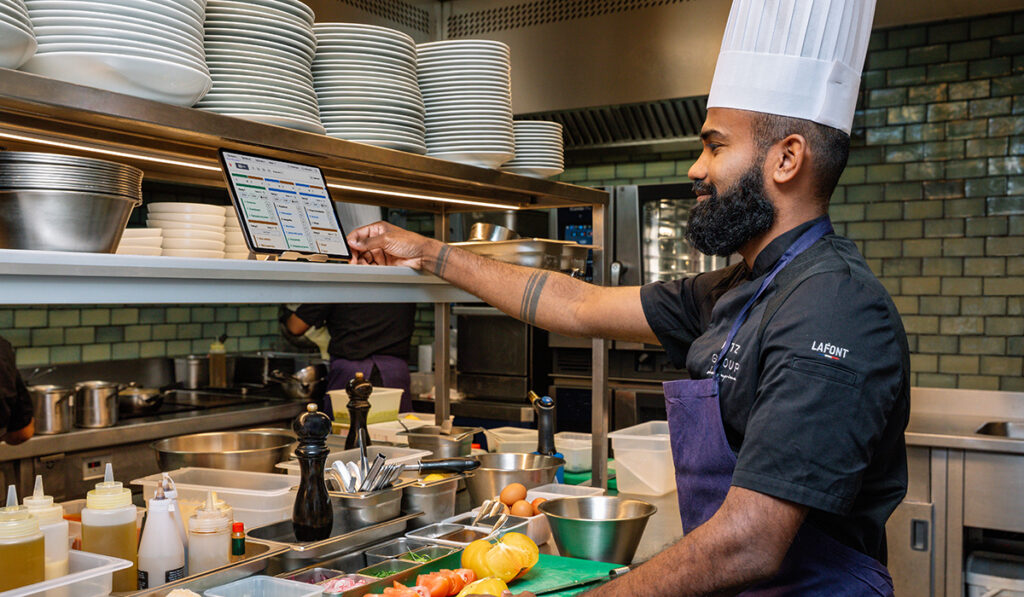
Personalization doesn’t have to mean profiling each guest individually. That approach is difficult to maintain, and the numbers don’t necessarily demand it either. They point to something else: the older guest comes for the warmth, the younger for the personalized service, and they often sit together at the table. Personalization becomes scalable when your team learns to read those signals: room for a warm conversation where that’s welcome, and a good tip that the guest is open to receiving.
The instinct has always been there, but technology can increase the reach. Combine these two things and you’ll give guests what they value, often before they even ask for it.
*The survey was conducted by Censuswide among 1,005 adults in Belgium who ate at a restaurant that was manned over the past six months (March 30 to April 9, 2026).
Neem dan rechtstreeks contact op met Lightspeed Commerce.
 Contact opnemen

With Lightspeed's advanced platform, global entrepreneurs can simplify their workflow, scale up and offer exceptional experiences to their customers. Lightspeed's POS system is designed for hospitality entrepreneurs with ambition. We give entrepreneurs the tools they need to challenge the status quo. Lightspeed Restaurant Lightspeed's complete entrepreneurial platform enables global hospitality entrepreneurs to [...]
Bekijk Bedrijfsprofiel