hotelvak.be
EN

Platform on hotel management, interior design and design in Flanders

Belgian Masters of Hospitality
There is something fascinating about Belgian hoteliers making it abroad. They set off without a fuss, with a mix of discipline, skill and an open mind. They do not seek the spotlight, but end up in it anyway, often at the head of the world's most iconic hotels. Over the past few years, HOTELVAK spoke to six of these heavyweights - Filip Boyen, Ignace Bauwens, Marc Dardenne, Sofia L. Vandaele, Thomas Dubaere and Tom J. Roelens - and each time the same thing stood out: their stories are as human as they are visionary.
What follows is a journey through their insights, their doubts, their successes and their beliefs. A journey that shows us where hospitality stands today, and where it can evolve to tomorrow.
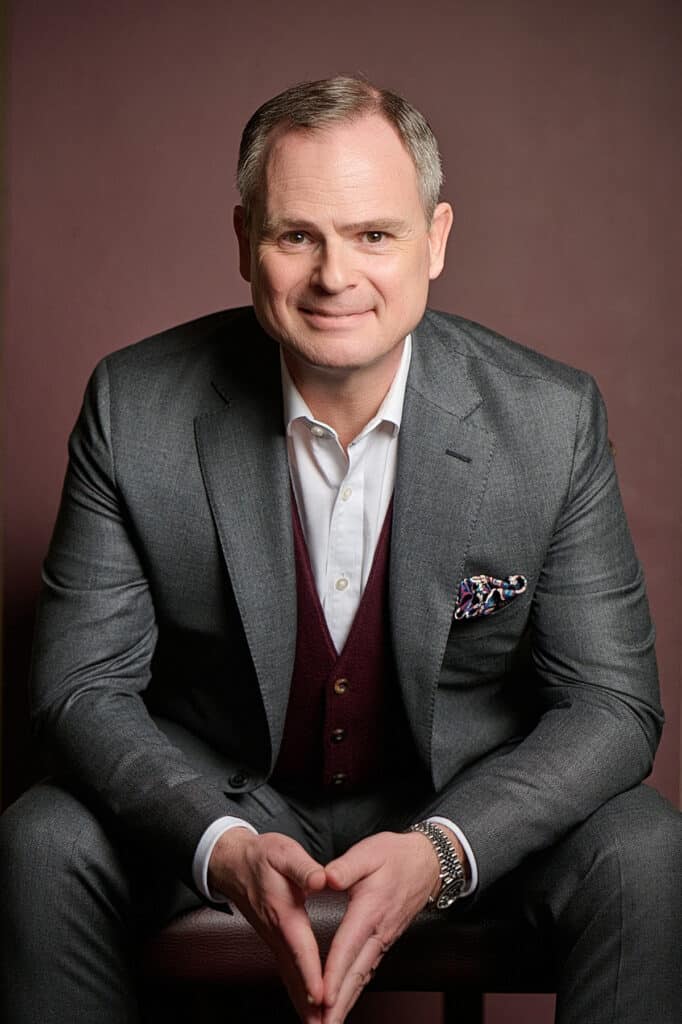
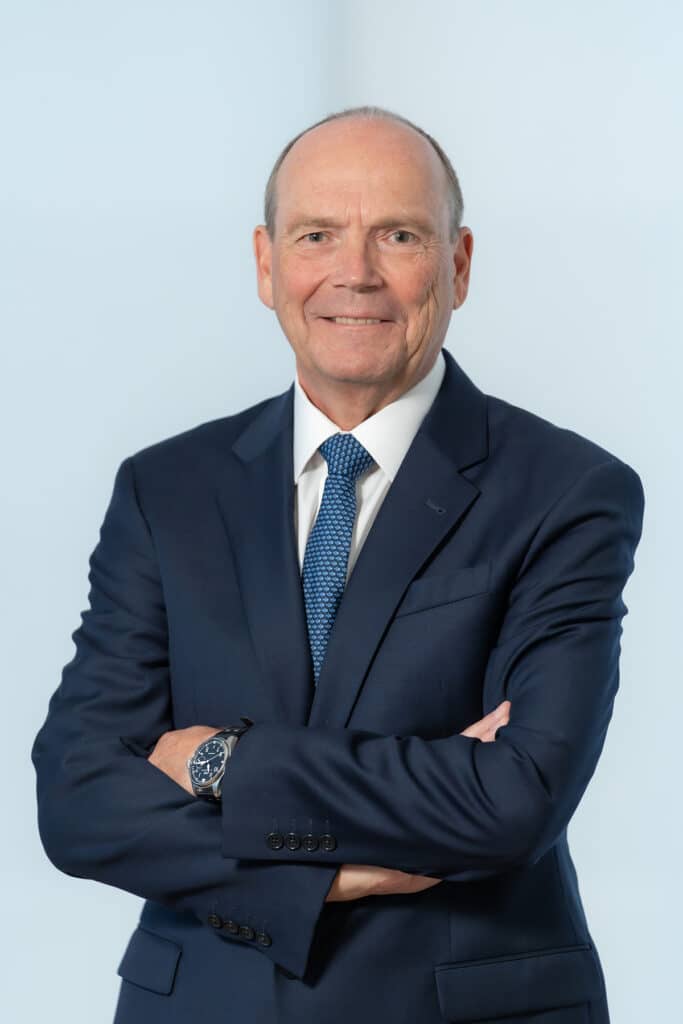
Those looking for the essence of hospitality need not look at golden taps or imposing lobbies. Those who do are missing the point - something Filip Boyen has long understood. As former CEO of Small Luxury Hotels and current Global Ambassador of Forbes Travel Guide, he has travelled the world, but one thought remained constant: luxury is not in the hardware, but in what it does to people. “Guests often have better bathrooms at home than in a five-star hotel,” he told us with a smile. “What they don't have is the way you make them feel.”
And so that one story in particular sticks: a blind guest who was welcomed with a letter in Braille, without asking for it. Not because it was on a checklist, but because someone was paying attention. The kind of moment that is silent and yet says it all.
Dubai, too, echoes that tone. Amid fountains that spit fire and restaurants that make Michelin chefs blush, for Tom Roelens - for years the man behind Atlantis The Palm and Atlantis The Royal and current COO of Wynn Al Marjan Island - that remains the very essence.
“Our hotels can overwhelm people,” he said, “but above all, every interaction has to be positive. That is the only thing that stays with them in the end.” At this level of hospitality, it is not the spectacle that impresses, but the humanity that seeps through.
The same paradox pops up in every interview: the greater the responsibility, the softer the leadership seems to become. This is striking, but no coincidence. Ignace Bauwens - a seasoned hotelier who knew Dubai before today's Dubai existed and now heads Hand Picked Hotels - once described leadership as preparing a dish. “You don't have to make the mayonnaise yourself,” he said, “but you do have to know how the flavours come together.”
A lot resonates in that metaphor: trust, harmony, respect for expertise. Leadership that is not imposed top-down, but arises because you give people space. That thought takes on a different colour in New York, where Sofia L. Vandaele is general manager of the InterContinental New York Barclay. A hotel that is as ‘big’ as the city it stands in. “The triangle between guests, team and stakeholders has to be balanced,” she said. “New York is intense. You have to stay strict and open at the same time.” In her words lies the reality of modern leadership: it is not a position of power, but a high-level balancing act.
And then there is Marc Dardenne, the man who, among other things, ran the Ritz-Carlton in Dubai, helped launch the Armani Hotel and co-developed several brands from scratch. He took it back to basics: “Integrity means: walk the talk. Copying a culture? Impossible. You have to live it.” It is one of those statements that not only rings true, but proves true once you speak to the teams that have worked under him.
If there is one thing the industry learned in recent years, it is that traveller behaviour evolves faster than hotel construction time. Thomas Dubaere, CEO Accor Americas, saw it tipping in the same direction everywhere. “People are travelling less often, but staying longer. They are combining work with leisure.”
Bleisure is no longer a trend, but a standard. Today, a hotel room should function equally well as an office, cocoon, gym and culinary platform. Sofia Vandaele noticed that New York guests increasingly seek small ‘experience moments’ during a business trip - without leaving the hotel. “Time is luxury,” she said, and that phrase continues to resonate.
But it is Roelens who names the next step in that evolution: the explosion of ultra-luxury. His hotel Atlantis The Royal is not a building but a destination in itself. Architecturally unseen, gastronomically lavish, yet the human element remains the crowning glory. “People today want something that surprises them,” he told us, “something they won't find anywhere else.” That uniqueness is becoming the new benchmark.
Interestingly, none of these six hoteliers see technology as a threat - on the contrary. They see it as an ally, if deployed correctly. Sofia Vandaele used a quote at a conference that has been roaming the industry ever since:
“Automate the predictable, so you can humanise the exceptional.” It's a phrase you can almost feel clicking.
Dubaere put it even more sharply: “There is no AI that can replace human service.” That doesn't mean technology is dismissed. Accor is investing heavily in training programmes such as the School of Change to help employees navigate digital transformation. Roelens, in turn, uses technology to turn data into hyper-personalised service. Not cold automation, but warm precision. Guests are surprised with details that can only arise when data and empathy come together. Technology is not an end in itself, but a means. A way to free up time. Time to really connect.
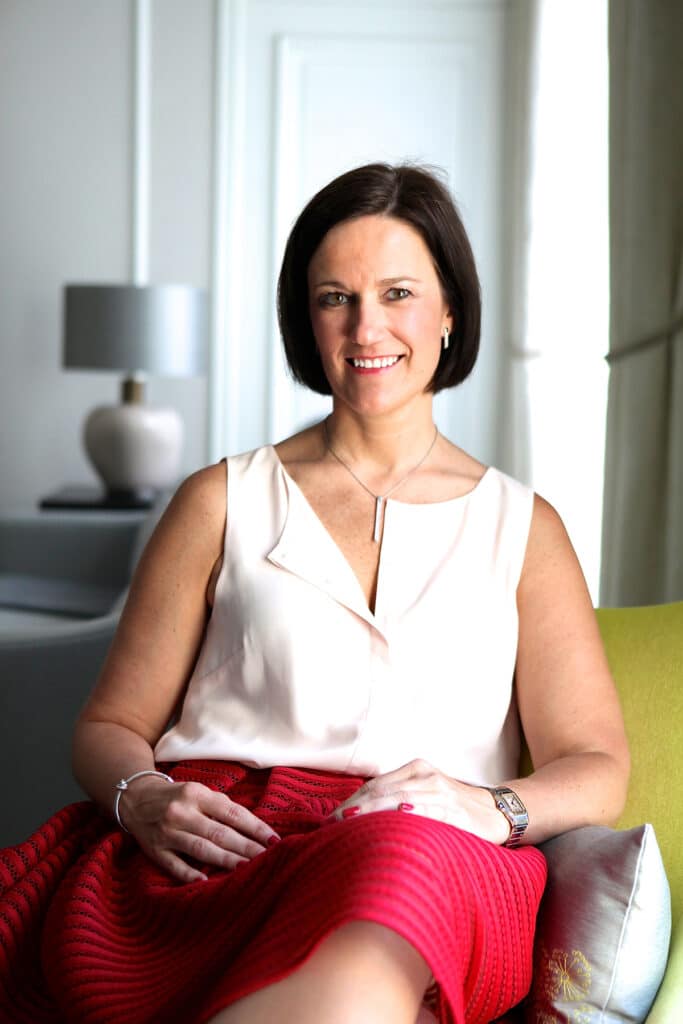
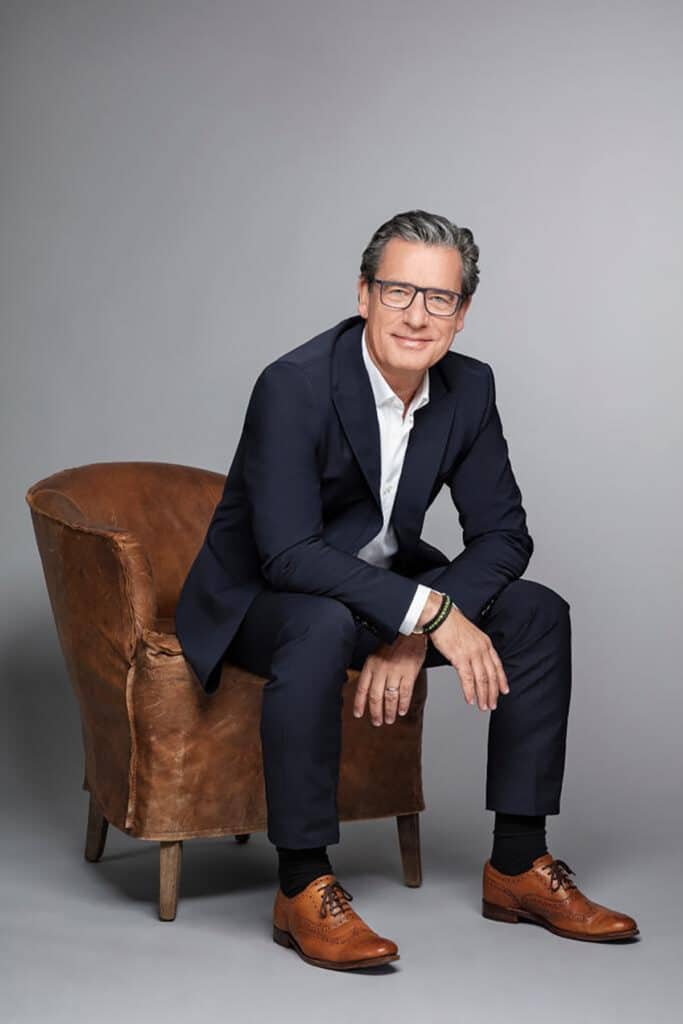
Remarkably, sustainability is not one of the themes that recurs by chance - it has become a virtually unanimous principle. Marc Dardenne was clear: no investor will talk about projects without a fully-fledged ESG plan any more. Sofia Vandaele showed how even in Manhattan - a city that never sleeps and always consumes - green initiatives can penetrate the capillaries of a hotel.
And then there is Roelens, who links sustainability to his experience on islands, where ecosystems are fragile. “No greenwashing,” he said firmly. “We bottle our own water, eliminate waste and only work with suppliers we know.” It is striking how obvious it sounds when they say it. As if sustainability is not the future, but just ... common sense.
Finally, when we ask what they would like to give young professionals, it is striking how simple and at the same time profound their advice is:
And perhaps that is exactly what binds them: not their nationality, not their success, not their international trajectory, but their humanity. In an industry sometimes drowning in tables and tools, these six Belgians bring us back to the essence: hospitality is not a product, but an attitude. A look. A choice. Every day.
And so, thanks to them, we not only travel the world, but also the future of hospitality. A future that is not about buildings, systems or labels, but about warmth, wisdom, curiosity - and the art of making people feel seen.