hotelvak.be
EN

Platform on hotel management, interior design and design in Flanders
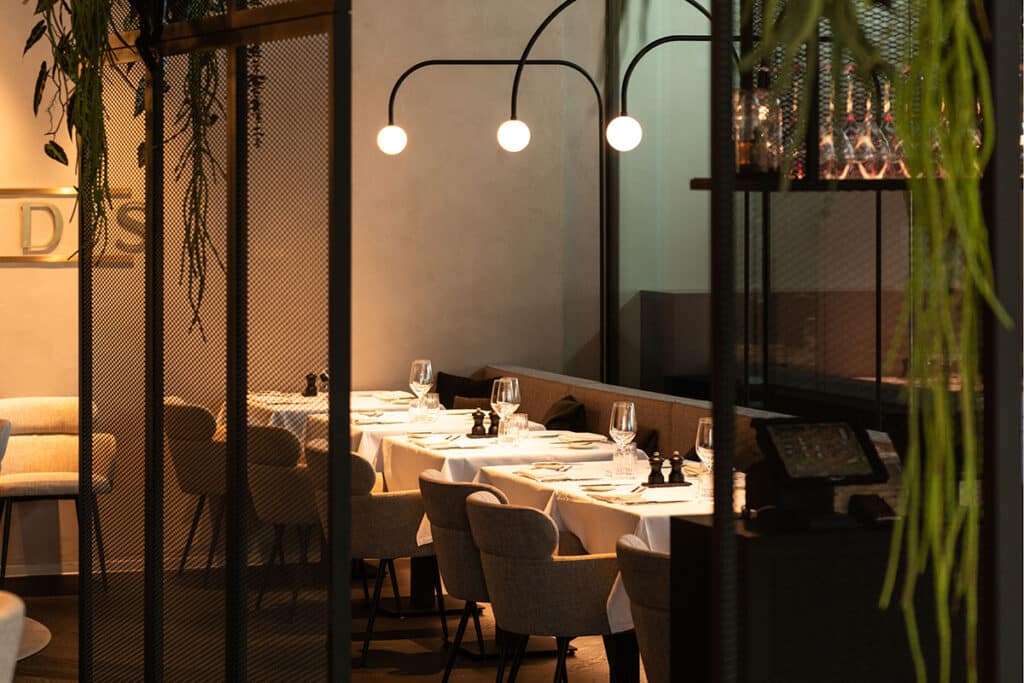
In hospitality, interior design has long ceased to be just about ‘pretty’. What matters to Inside is how a space works: how guests move around in it, where they linger, where they consume, what they remember - and what the hotel gets out of it.
Design is not an aesthetic intervention, but a strategic tool that enhances perception and returns. Inside's designers therefore never start from a mood board alone. They start from the hotel's strategy.
Inside starts each assignment with an in-depth analysis:
“Through design, we can help determine how guests behave and which spaces they use,” it sounds. A concept targeting a more traditional or quiet audience requires different materials, accents and functions than a design catering to a more active, experiential audience. With atmosphere, routing and sightlines, Inside can shift target groups, and that is exactly where design and strategy come together.
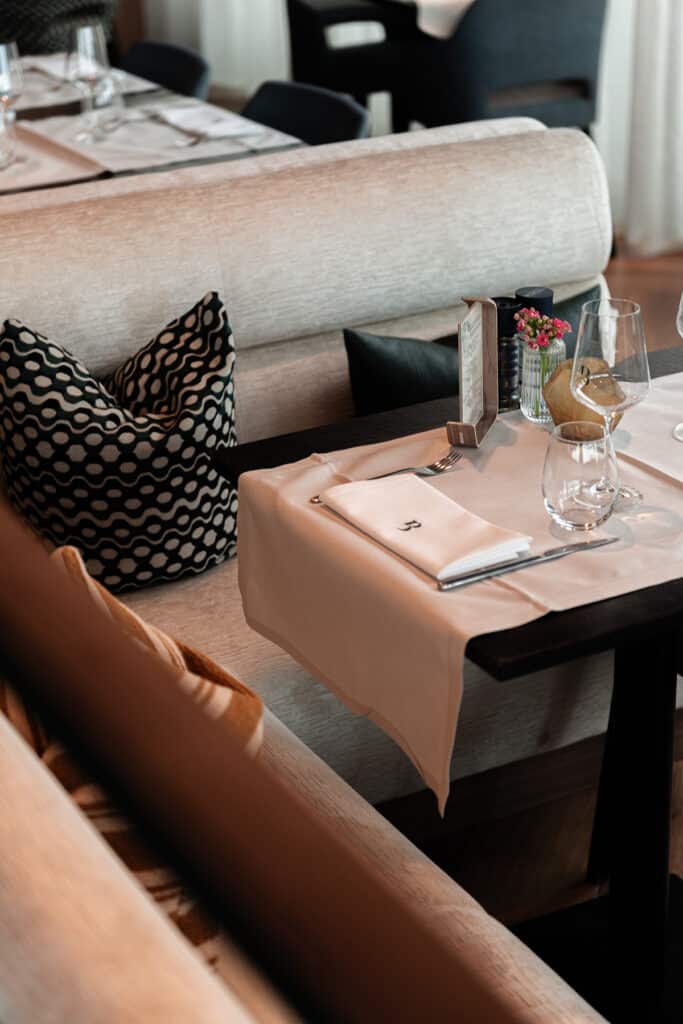
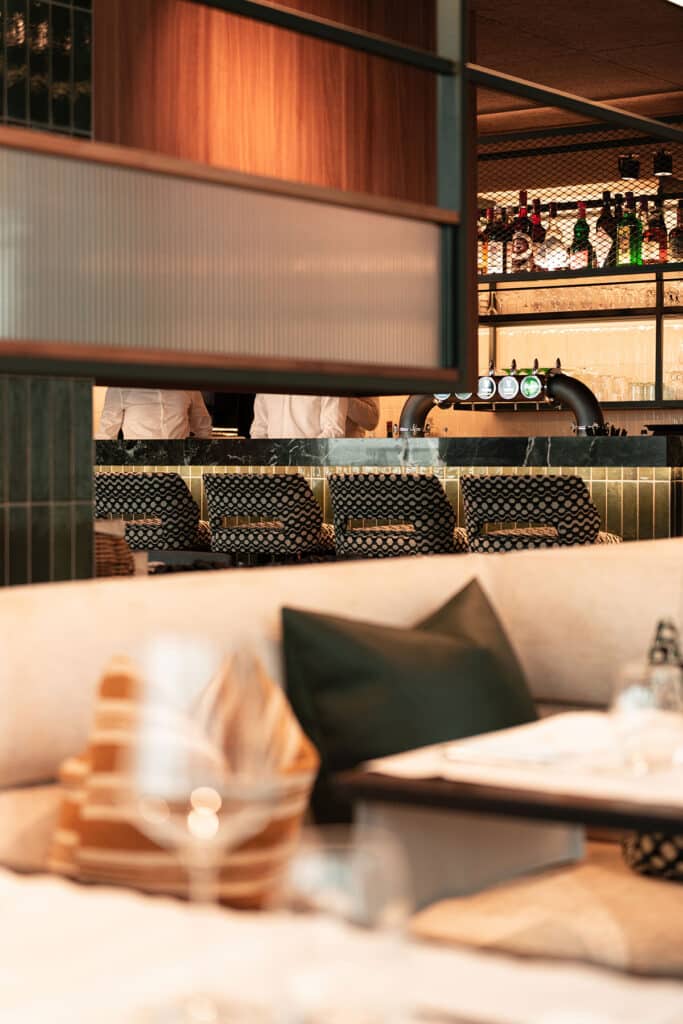
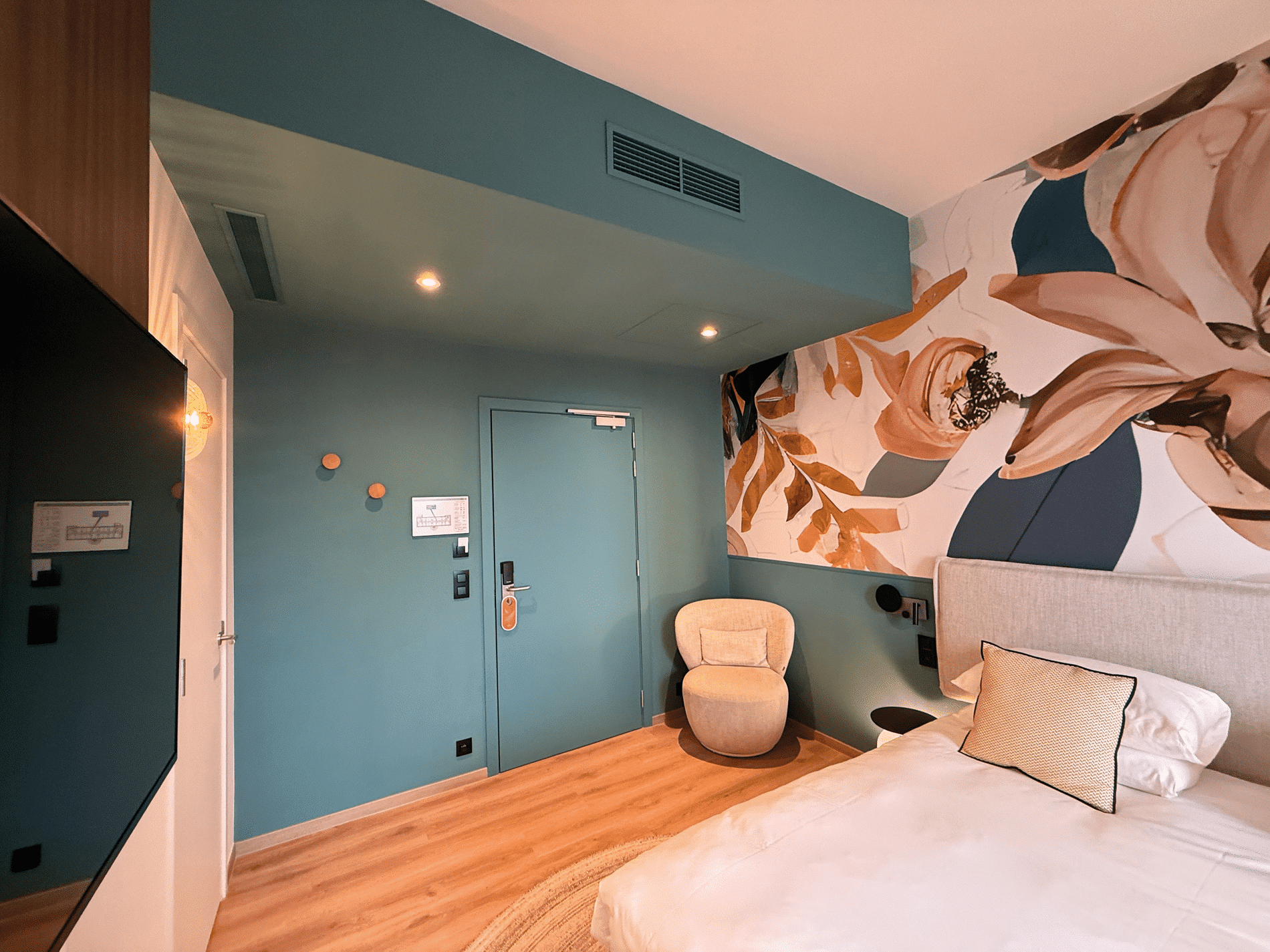
Inside is clear about what makes a hotel room really good: a strong combination of comfort, ergonomics, ease of maintenance and ambience. That ambience determines guest memory, while comfort shapes satisfaction. In turn, ergonomics and ease of maintenance support operational efficiency.
From lighting to acoustics, from upholstery to ease of use: every choice has to be right for both guest and housekeeping. No corners where dust hides, no materials that wear out too quickly, no set-ups that are difficult to clean. Inside puts it simply: “When designing, you have to be able to feel how a maintenance team will maintain it later.”
In modern hotels, no space should be wasted. That is why Inside designs multifunctional zones that transform throughout the day:
For Inside, hospitality design is inextricably linked to revenue. It's not about promises in percentage terms, but about spaces that yield.
The return is often in visibility, accessibility and barrier-free: if guests don't notice a bar, they don't step in. If a space becomes ‘nobody's’, it remains untouched - and therefore loss-making. Inside breaks through that with smart positioning, logical flows and recognisable atmospheres.
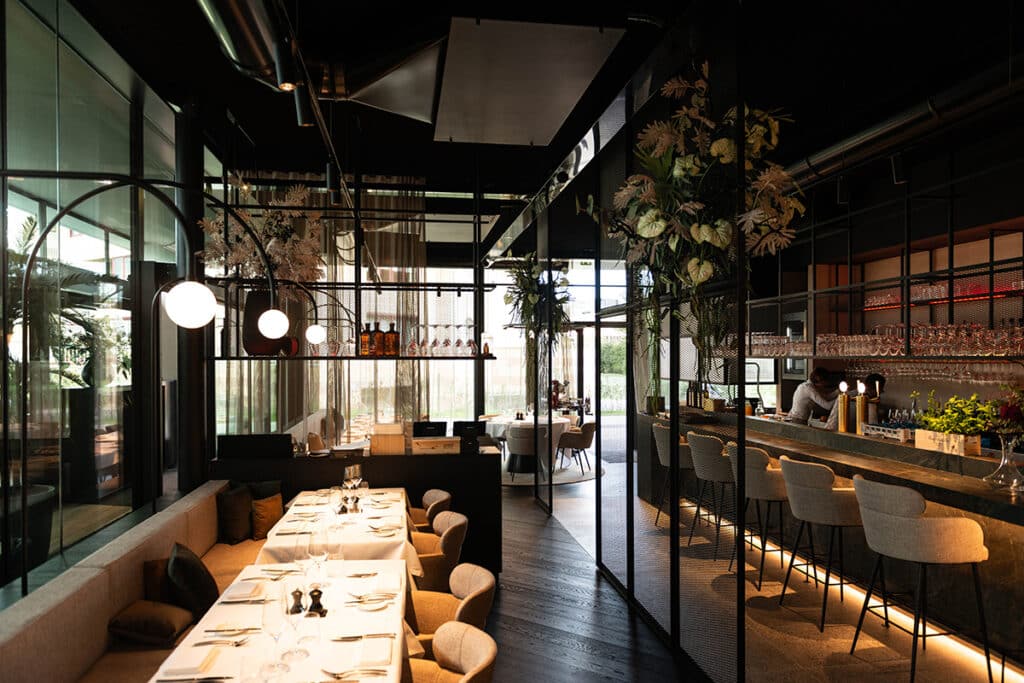
Inside works with materials and techniques specifically suited to hotels, focusing on:
No parquet that wears away after three years because of sand, no washbasins damaged by the wrong cleaning products, no rooms that are acoustically so loud that guests don't want to stay there. Back-of-house is also considered integrally: kitchen flows, service, ergonomics, visibility of pass-throughs, maintenance routes ,... Because a space only works if it works for everyone, not just the guest.
Inside convinces hoteliers not just with spreadsheets, but with insight: thinking together, sparring, redesigning and validating.
Therefore, the team shows possible scenarios, alternatives and phasing: sometimes a small transformation is enough, sometimes a big switch is needed. But whether it is extra rooms, better visibility, a bar that lives, a space that becomes multifunctional or a hotel that wants to attract a new target group: Inside designs not pictures, but returns, identity and experience.