hotelvak.be
EN

Platform on hotel management, interior design and design in Flanders
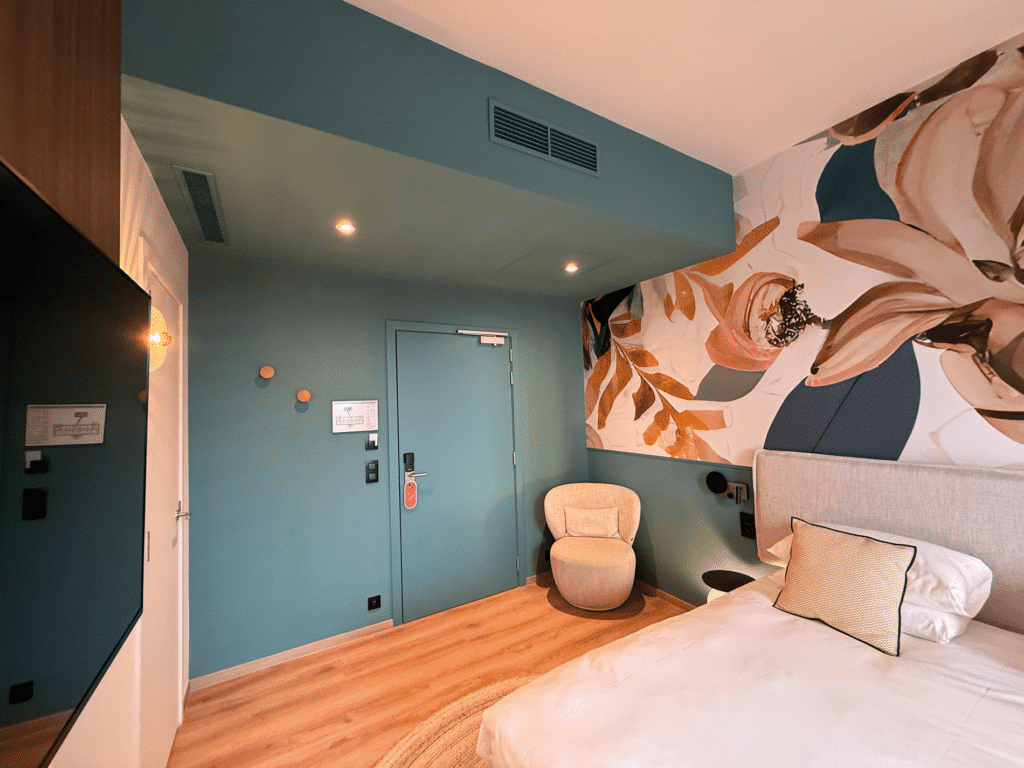
Smart HVAC solutions for a protected building
Integrating a sophisticated HVAC system into a historic building without compromising its valuable heritage or detracting from the high-quality interior finish: it’s a complex task. Climagroup rose to the challenge, utilising all its expertise and succeeding with flying colours. “We pulled out all the stops to bring this unique project to a successful conclusion.”
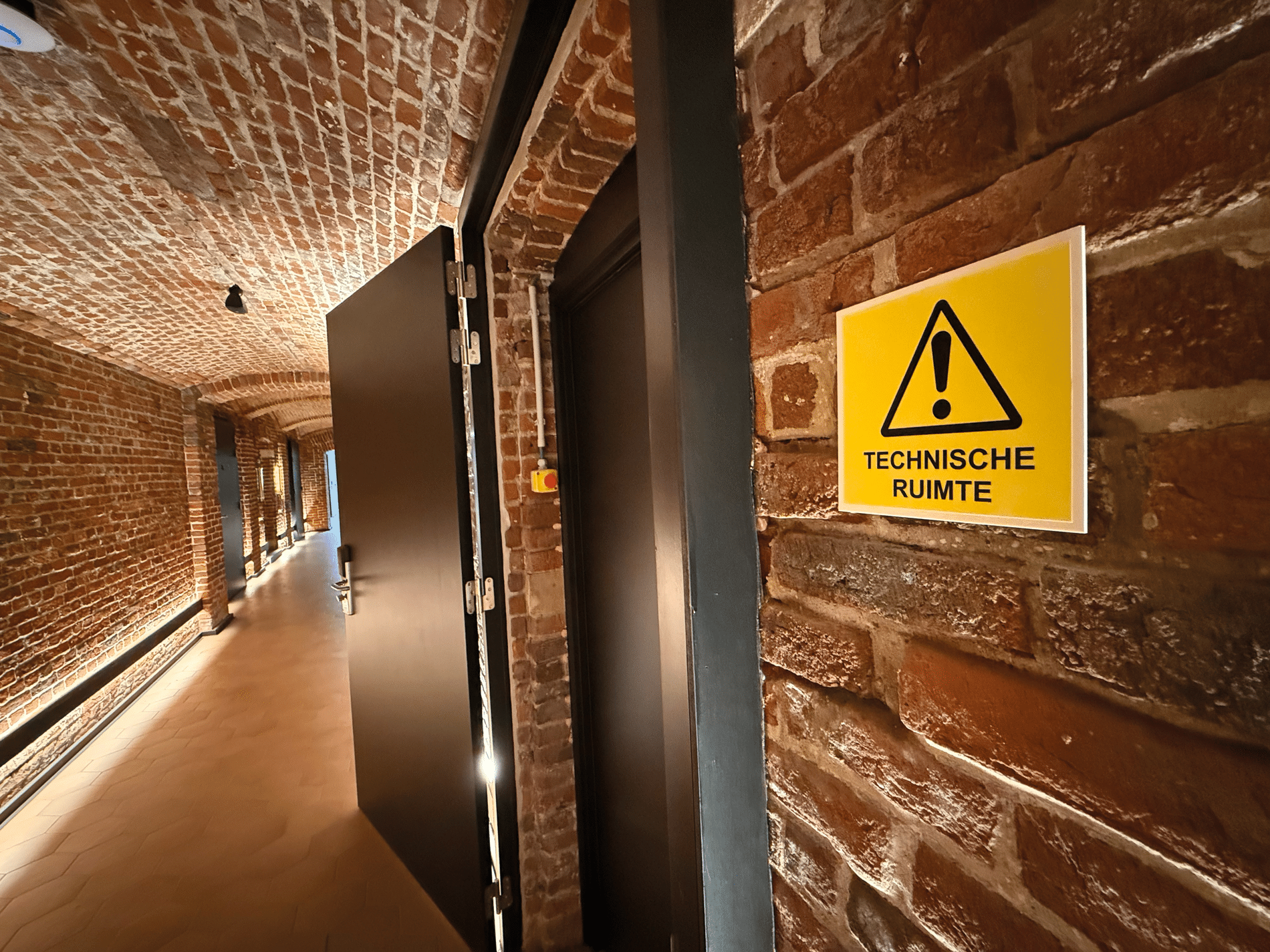
From the very beginning, Climagroup has left its mark on this exceptional conversion. “We noticed during the tender phase that the original technical concept and the intended budget were not in proportion. After extensive consultation with Resiterra, the engineering consultants, and the contractor, and based on our extensive Design & Build experience, we optimised it and ensured better functionality without compromising on comfort,” explains Joachim Raes, Business Developer at Climagroup.
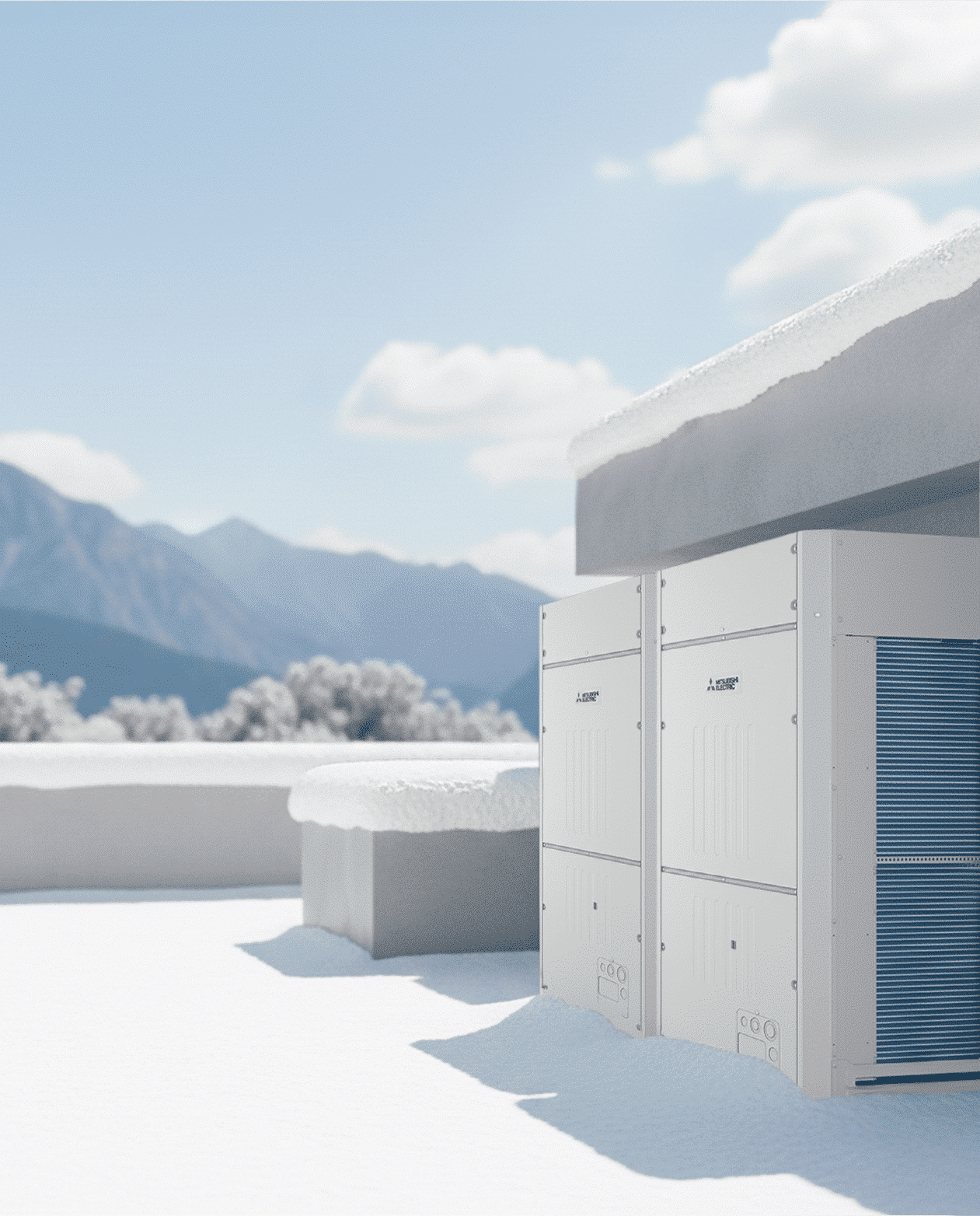
“The HVAC installation is connected to the site's geothermal heat network. The ground floor is fully equipped with underfloor heating based on a water-to-water heat pump, which also feeds the air handling unit batteries and is supplemented by a booster heat pump for domestic hot water production. This, in combination with fan coils in the high ceilings, which are in turn connected to an HVRF system, as are the hotel rooms. To effectively conceal all the pipes in the technical shafts, both in the screed and the ceiling, we opted for a small refrigerant charge (R32) on a water-based system. Furthermore, integrating the VAV-controlled ventilation was a considerable challenge, given the limited ceiling height.”
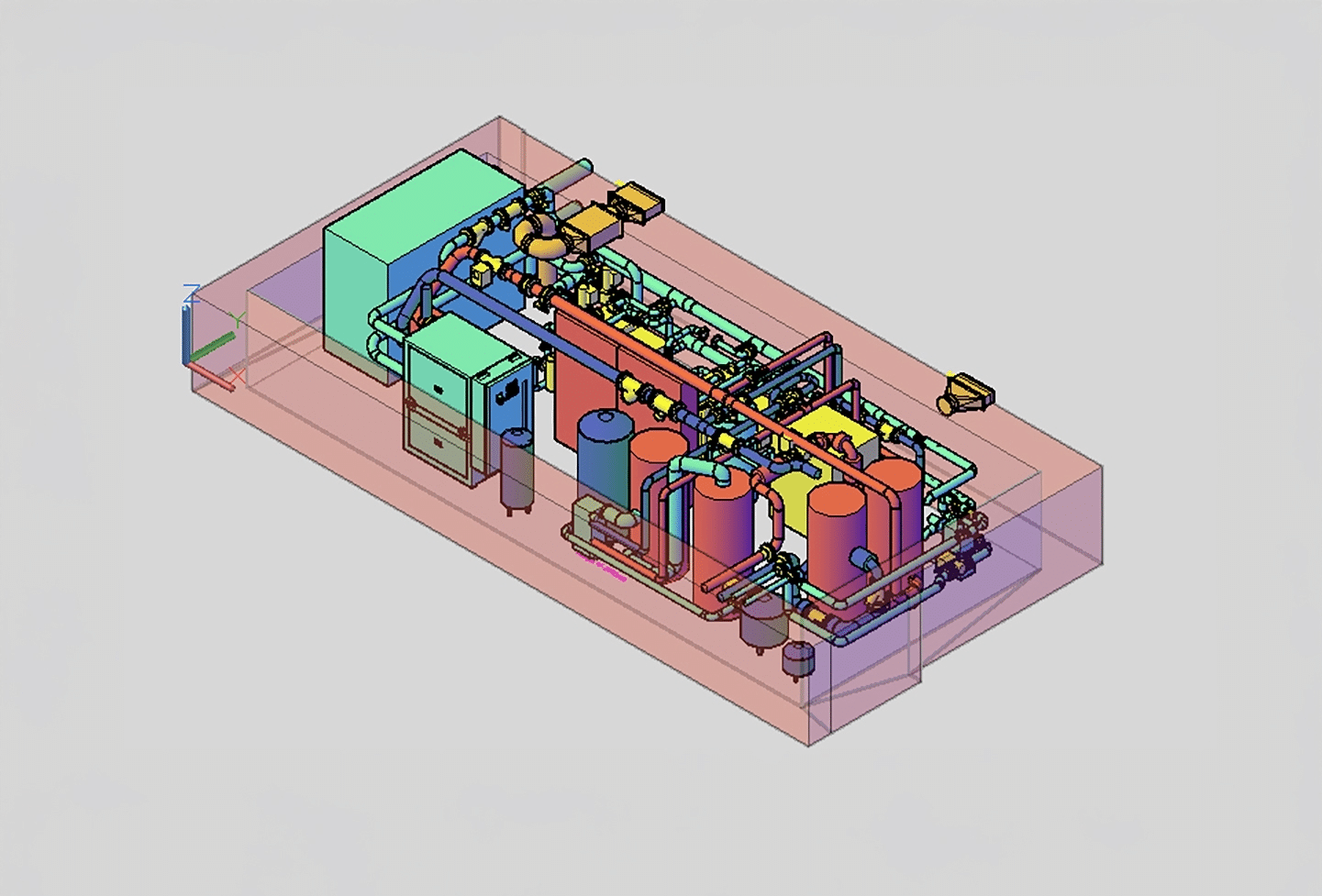
Following the intensive preparatory phase, Climagroup also took on the execution. “In the technical room in the basement, which forms the heart of the HVAC installation, we had authentic vaulted ceilings and were not allowed to carry out any demolition work, so it was already a feat in itself to get the heat pumps and buffer tanks in place, let alone assemble all the associated ductwork in such a limited area. To make optimal use of every square centimetre, we mapped everything out in 3D in the smallest detail beforehand. Furthermore, the basement was under water for a long time, meaning we could only start working there late and the schedule became very complex,” explains Joachim Raes.
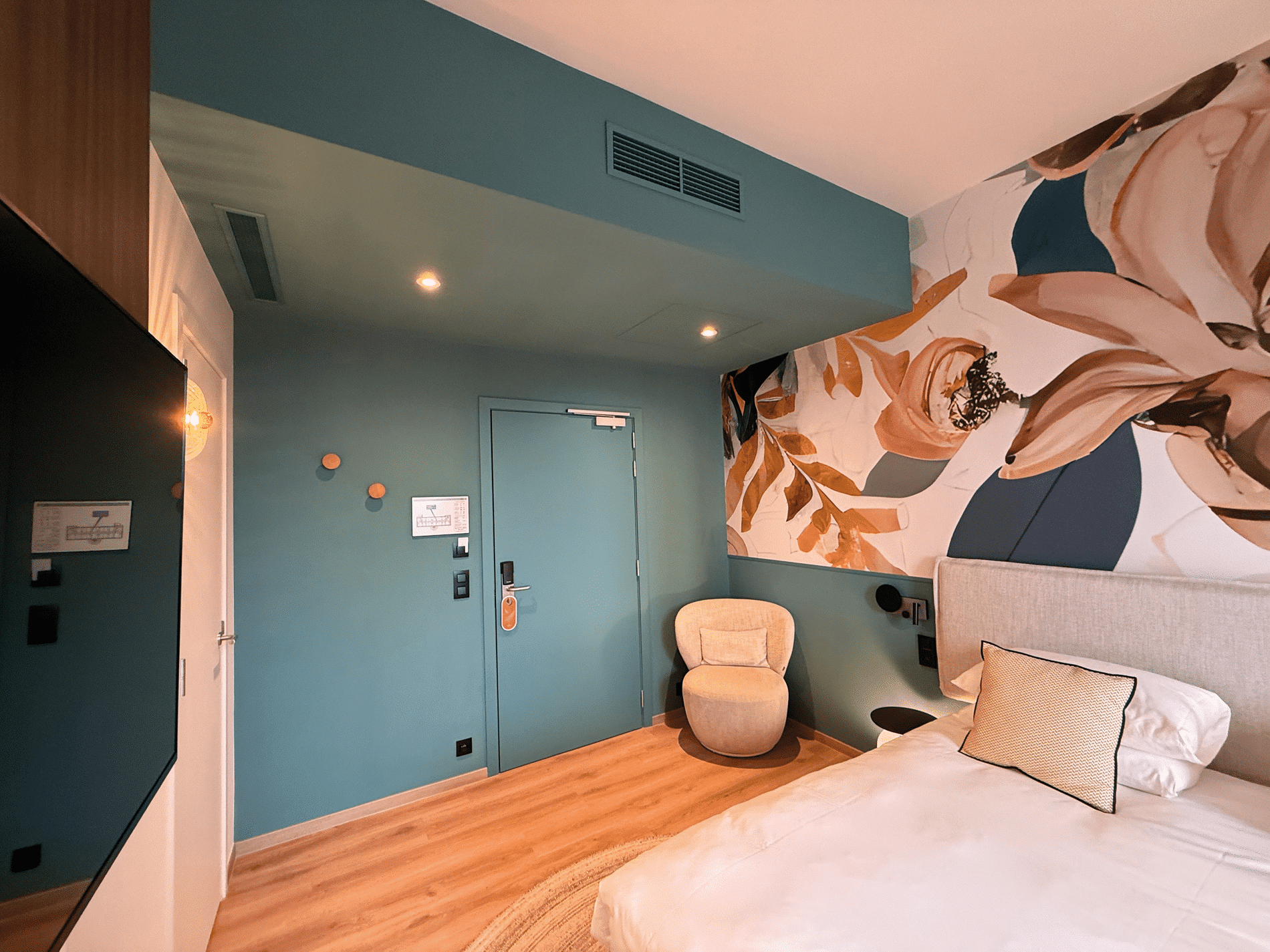
“Yet we have still managed to create something beautiful. With the exception of a few grilles and inspection hatches, which are discreetly integrated into the interior, all the technical elements are well hidden. That's quite an achievement, as this is a premium hotel with a high-end finish. Combined with the exceptionally high degree of energy efficiency, fossil-free operation, and the heritage character of the building, this makes Gasthuis by Martin's Klooster a unique benchmark. And most importantly: the comfort level is fantastic, according to hotel staff and guests. Thanks to intelligent automatic control, it's possible to quickly switch between heating and cooling, which helps to handle specific usage peaks. It is therefore a very dynamic system that guarantees the correct indoor temperature and air quality at all times.”