hotelvak.be
EN

Platform on hotel management, interior design and design in Flanders
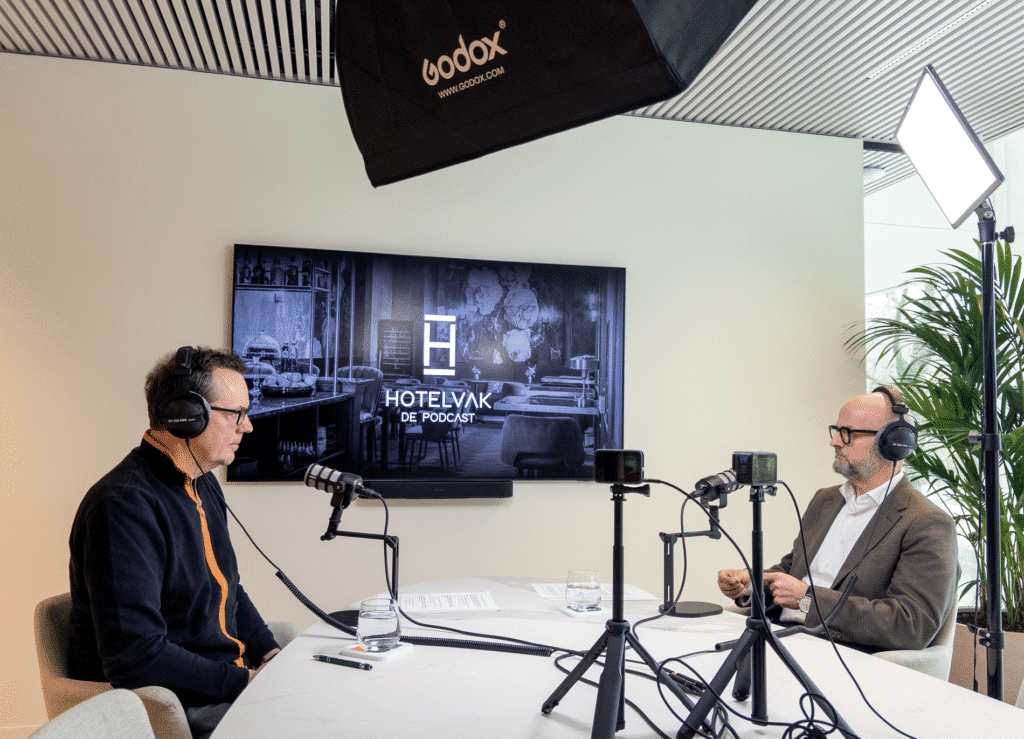
Choosing between automation and human service
The hotel sector is at a tipping point. According to hospitality expert Joeri Beusen, the sector is increasingly evolving towards a divide: on the one hand, fully automated hotels, and on the other, high-end concepts that focus on maximum personal service. “The middle ground will have a difficult time,” he states. “Hotels will have to choose.”
With over 25 years of experience in the sector, Beusen observes how external factors are having a greater impact today than ever before. Whereas hoteliers previously focused primarily on operational control, the greatest uncertainties now lie elsewhere. “The economy and geopolitics are decisive,” he says. “One event on the other side of the world can immediately be felt in occupancy rates.”
Furthermore, the guest has also changed. Thanks to technology and reviews, customers are better informed than ever. They know what to expect and actively compare. “Today, the guest has as much information as the hotelier,” says Beusen. “That makes the playing field more complex.”
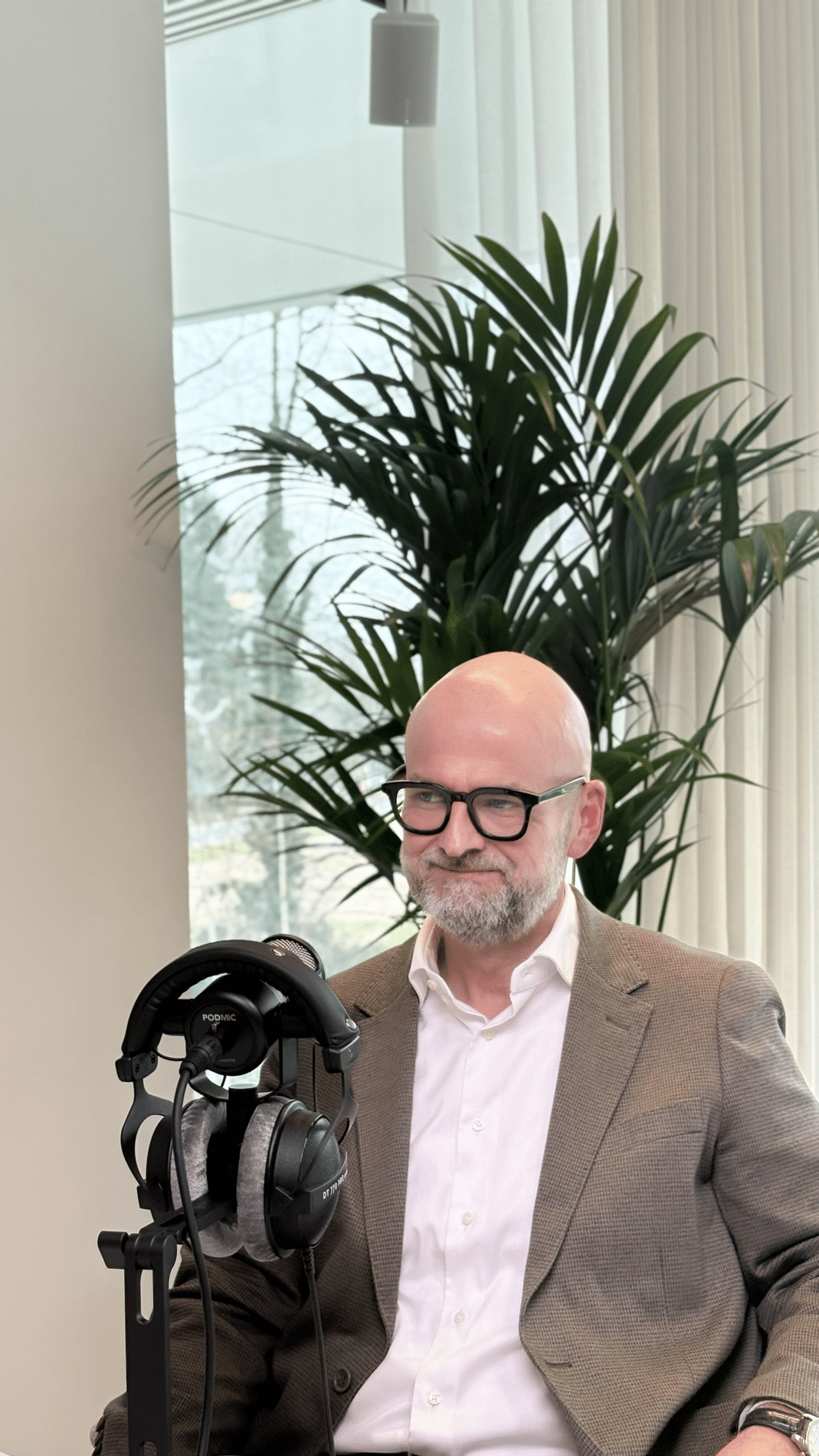
One of the most striking shifts is how guests perceive value. Where once the size of a room was an important factor, today it's all about the experience. “People no longer ask how many square metres their room has,” says Beusen. “They want to know what they can do, what facilities are available, and how flexible their stay is.”
This translates into the concept of ‘space to value’: it's not the space itself that counts, but what that space delivers for the guest. Hotels that succeed in this can offer a higher service experience even with a lower star rating. “Today, you see three-star hotels delivering five-star service. That's where the difference is made.”
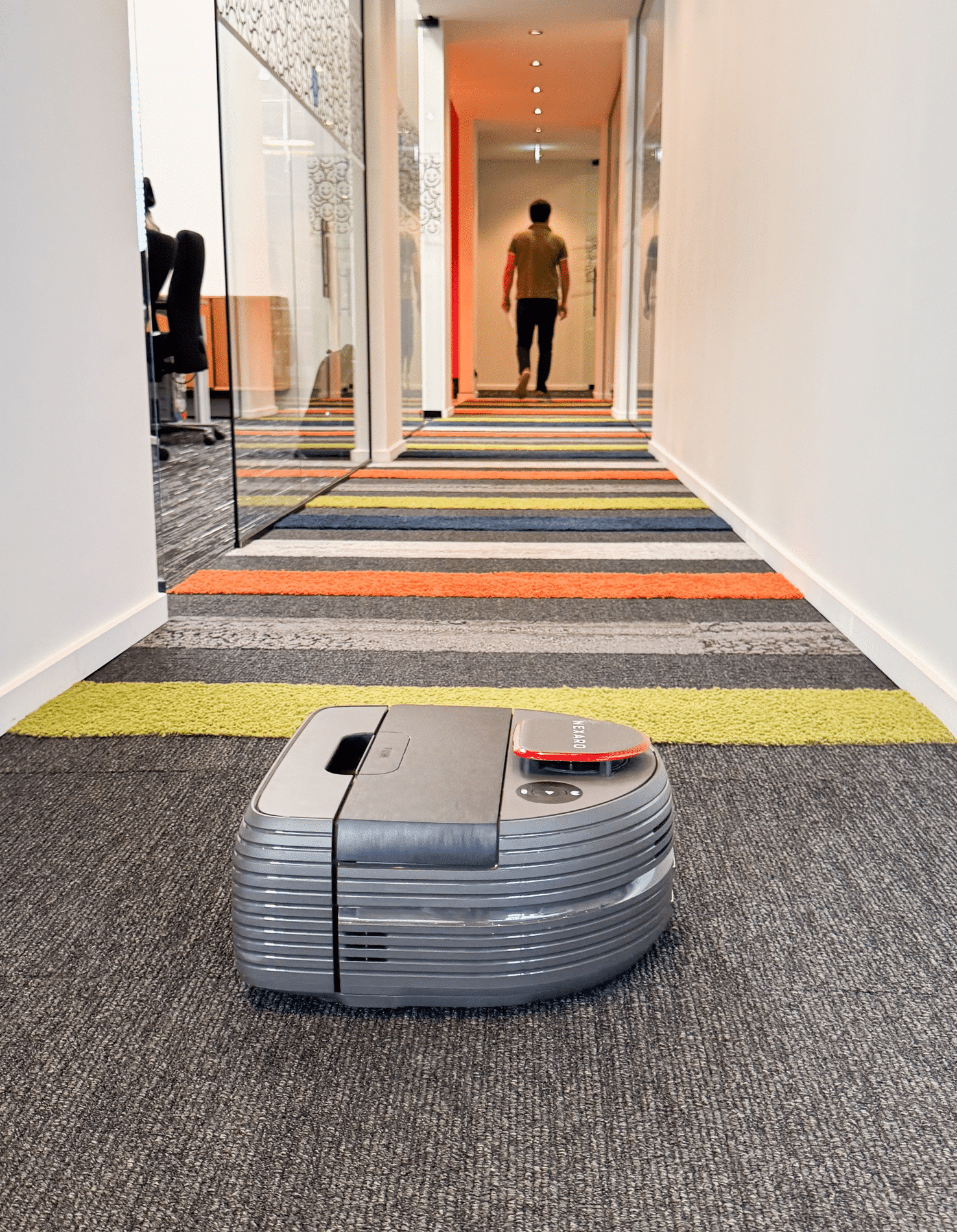
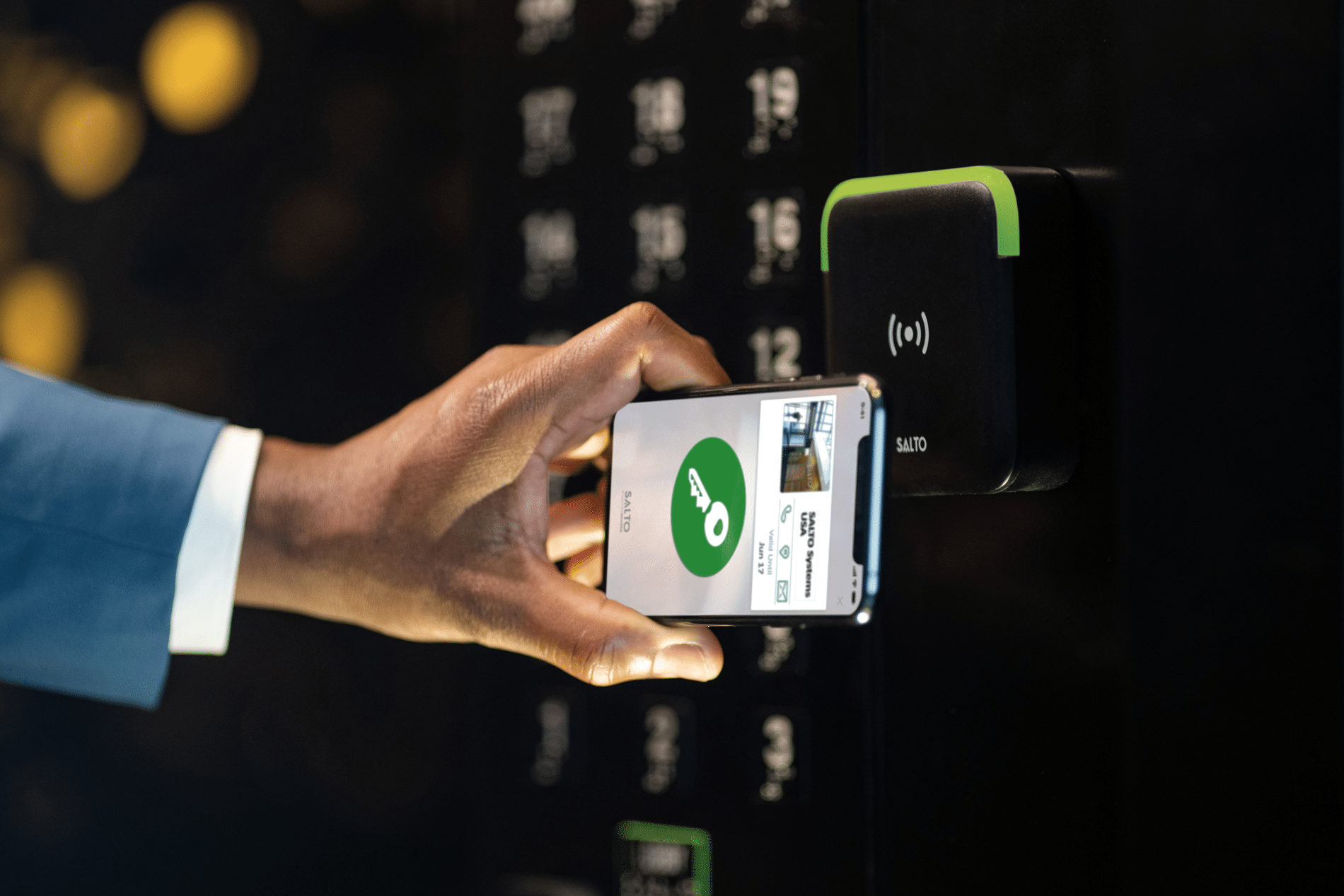
Technology plays a key role in this evolution. Artificial intelligence has been used for pricing for years, but is now also finding its way into operational processes such as staff scheduling, housekeeping and guest experience. “AI can add value in every department of a hotel,” states Beusen.
However, he warns against excessive automation. Not every technological application effectively creates added value. “You have to be careful that technology doesn't become an end in itself,” he says. “The guest's context remains crucial.” After all, that context is changeable. The same guest might need speed and anonymity on a business trip, while that same person expects personal attention during a weekend getaway. “That's where the challenge lies,” according to Beusen. “AI must understand in what capacity a guest arrives.”
The combination of rising costs, labour shortages, and changing expectations is putting particular pressure on the mid-segment. Budget hotels are increasingly opting for automation to reduce costs, while luxury hotels are investing in personalisation and service. “It’s not that the mid-segment will disappear entirely,” Beusen clarifies, “but hotels in that segment will have to reposition themselves.” This means making a choice: either towards efficiency and automation, or towards experience and service.
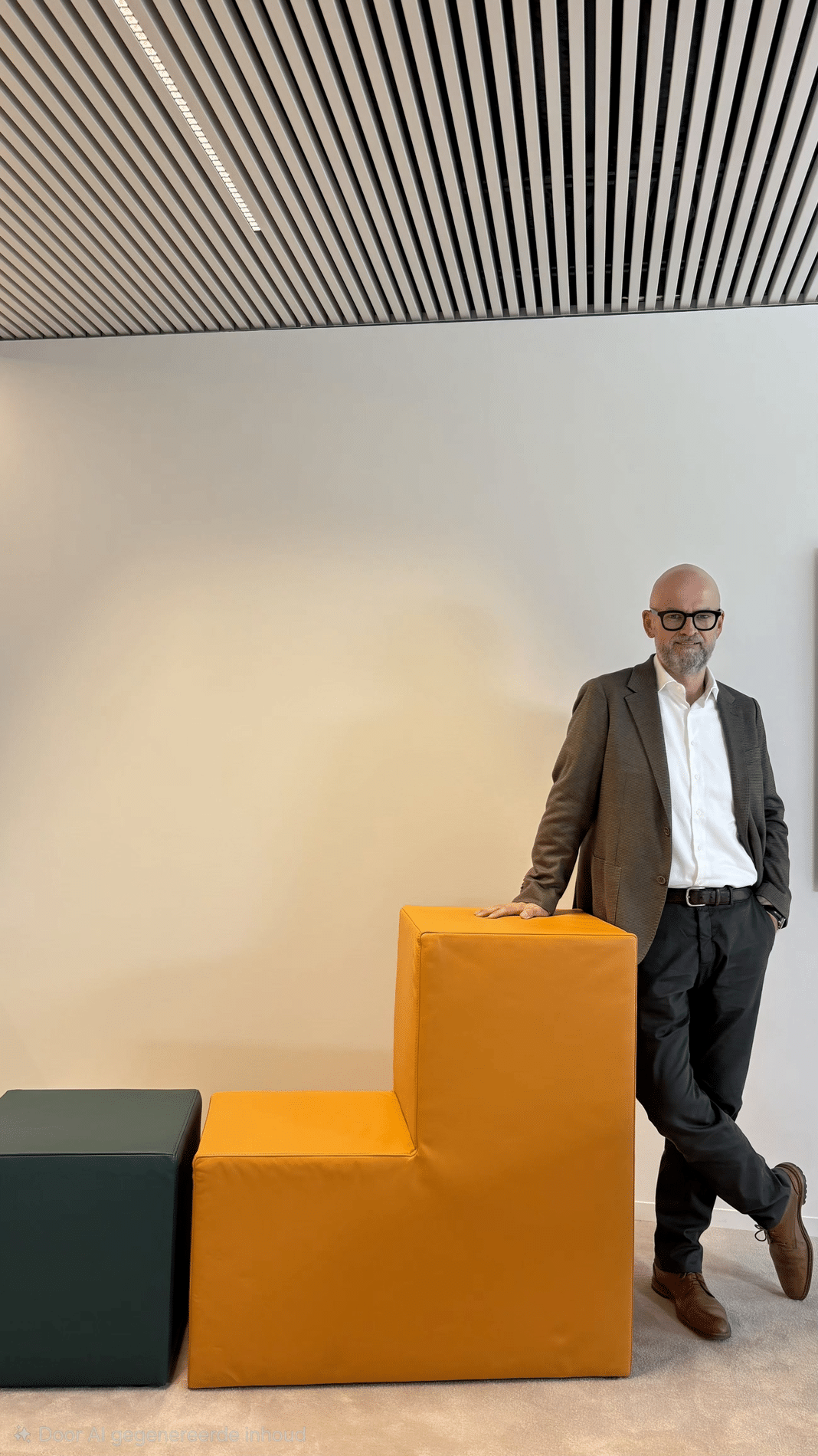
An additional factor is the labour shortage. By 2035, the sector in Europe could be short of up to one and a half million workers. “That's enormous,” says Beusen. “So you'll either need fewer people thanks to automation, or you'll have to invest more in staff.” Yet people remain central. “Hospitality is and always will be people's work,” he emphasises. “Technology can support, but not replace.”
If Beusen were to develop a hotel concept himself, he would ultimately opt resolutely for service. He calls it “ultra-service”. “A hotel where guests are truly known and where everything revolves around personal attention.” This doesn't mean technology disappears; quite the opposite. It becomes supportive, not leading. “The future lies in the combination,” he concludes. “High-tech where possible, high-touch where necessary.”
For hoteliers, the message is clear: standing still is not an option. The sector is changing rapidly, and those who do not choose a clear positioning today risk falling between two stools tomorrow.