hotelvak.be
EN

Platform on hotel management, interior design and design in Flanders
Integration, digitalisation and energy management are reshaping the hospitality sector
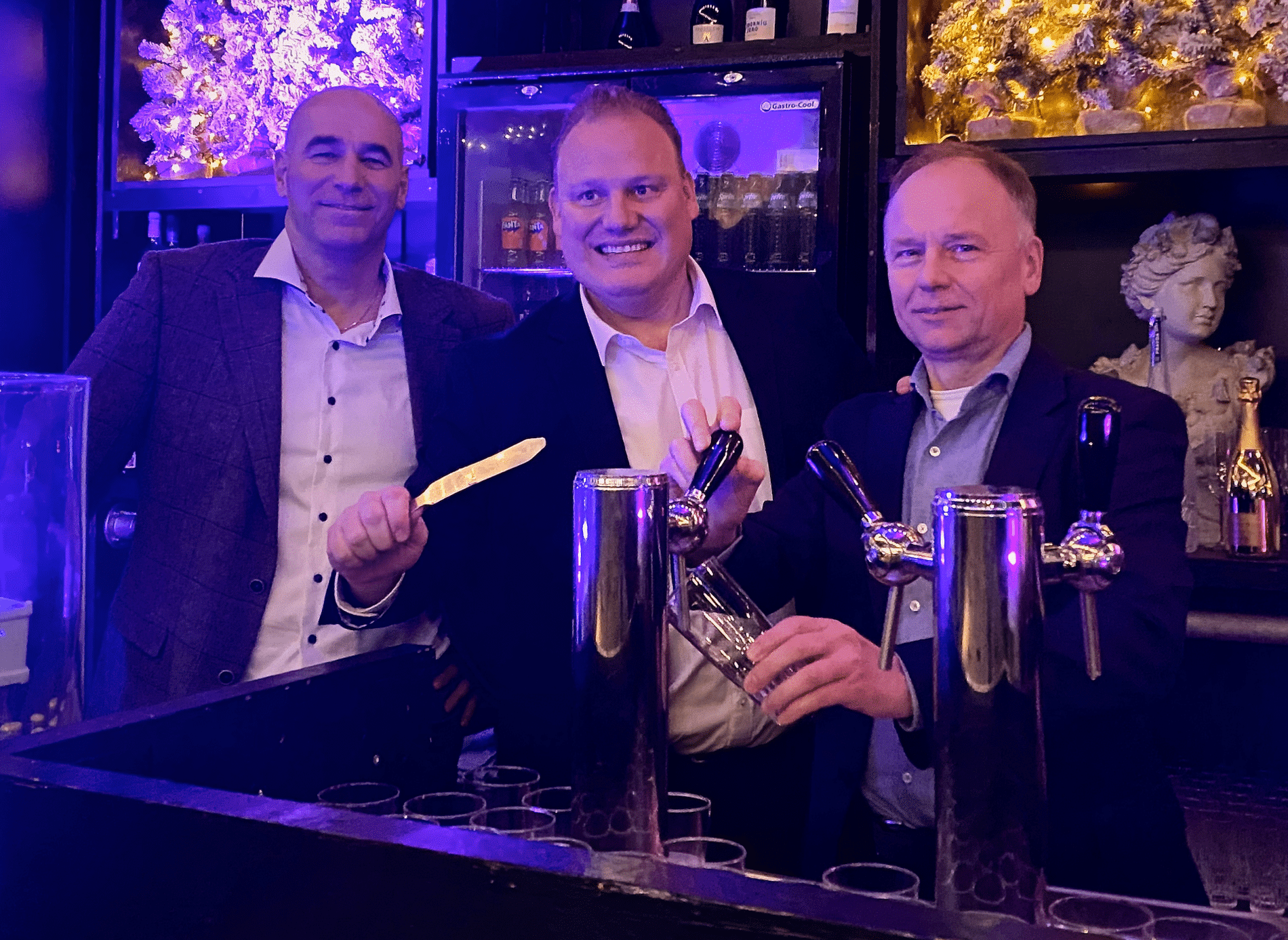
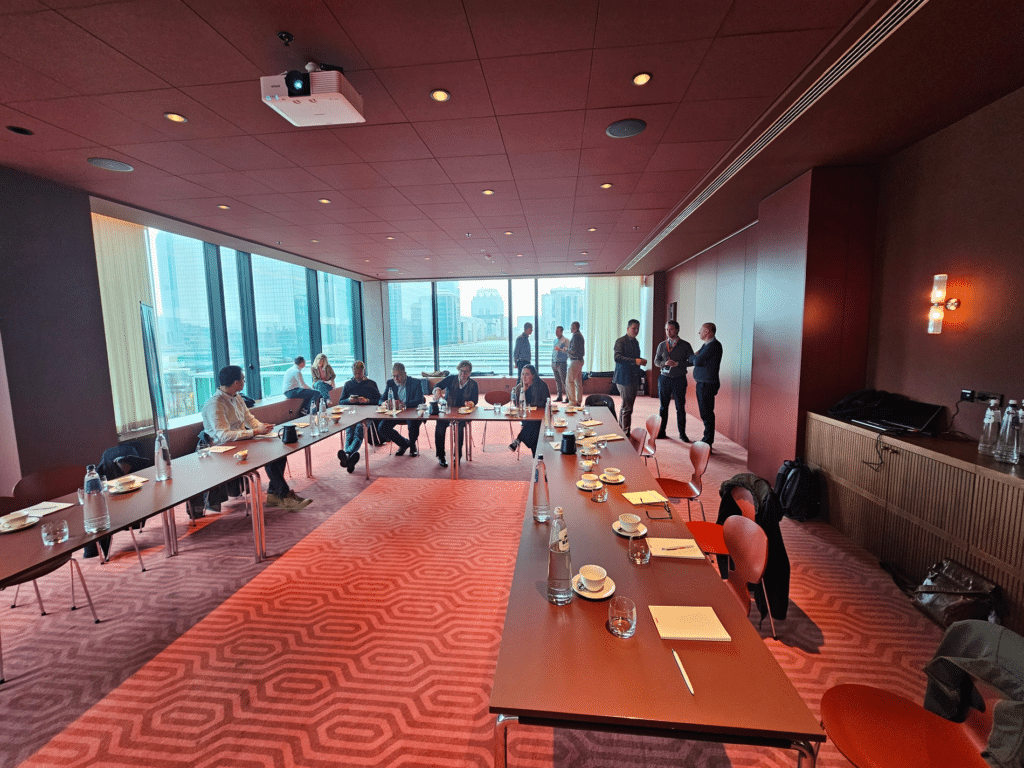
Brussels – The Standard recently hosted a Tech & Trends Breakfast, where hotel professionals gathered to discuss the role of technology in the sector. Technology was approached not as a gadget, but as a strategic lever. Zennio/Vecolux, Salto, and Mitsubishi Electric explained how the hotel room is evolving into a smart, integrated ecosystem.
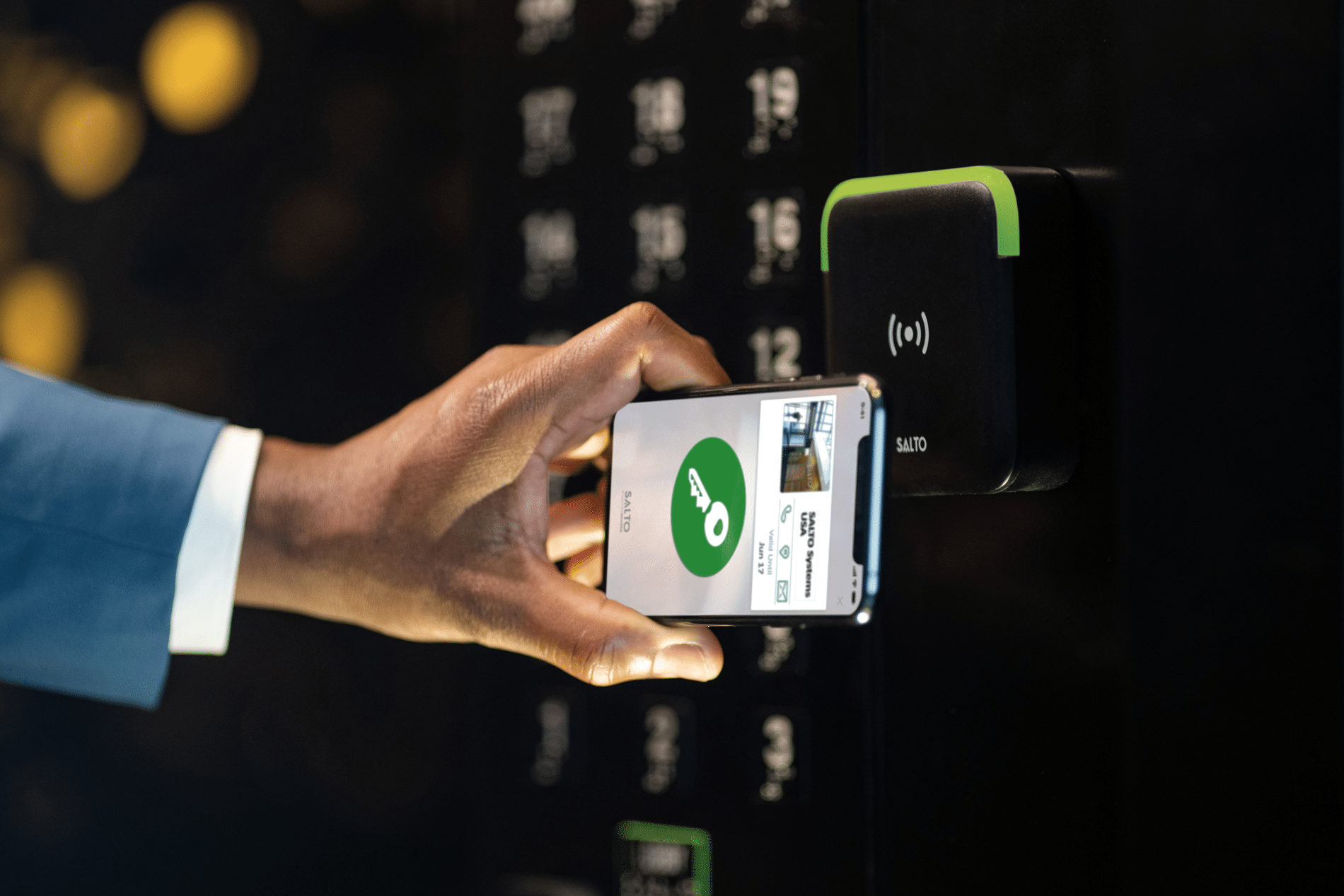
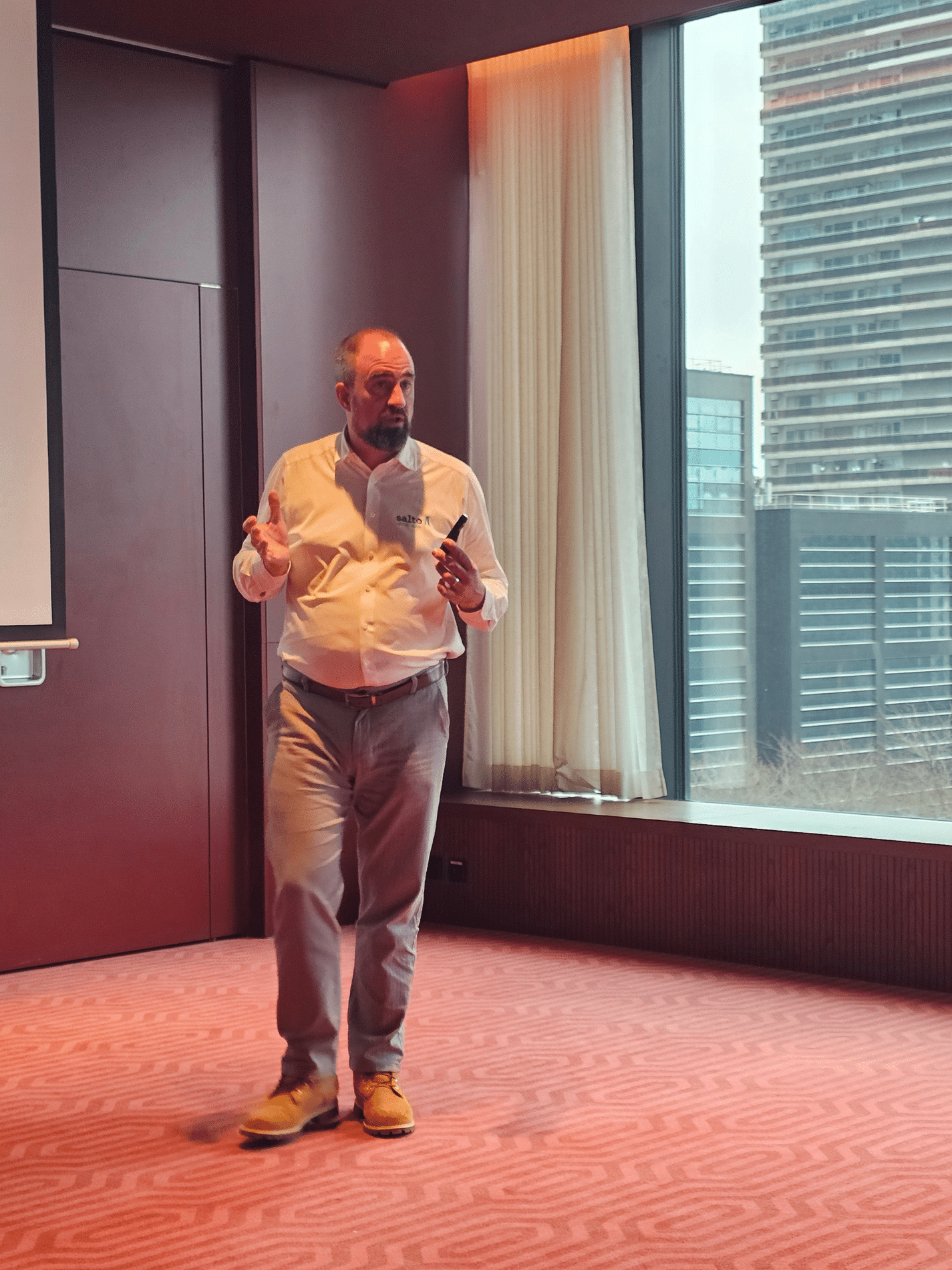
The common thread throughout the event: less friction for the guest, more efficiency for the operator. The first part of the morning focused on the guest journey. Stéphane Raskin, hospitality specialist at Salto, outlined how quickly the classic check-in is changing: “Today, guests expect more freedom and convenience. Why still queue at a desk when you can arrange everything via your smartphone? So that front office staff have time again for what really matters: hospitality – offering a drink, explaining a walk, etc. – while technology does its work in the background.”
According to Raskin, the sector is shifting towards keyless entry, where guests open their room via smartphone, PIN, or wearable. At the same time, flexibility remains crucial. “Not every hotel is the same. That’s why we believe in a hybrid model where cards, mobile, and codes coexist.”
Digitalisation goes beyond mere access. From digital concierge to personalised communication, technology supports the guest's entire journey, from booking to check-out.
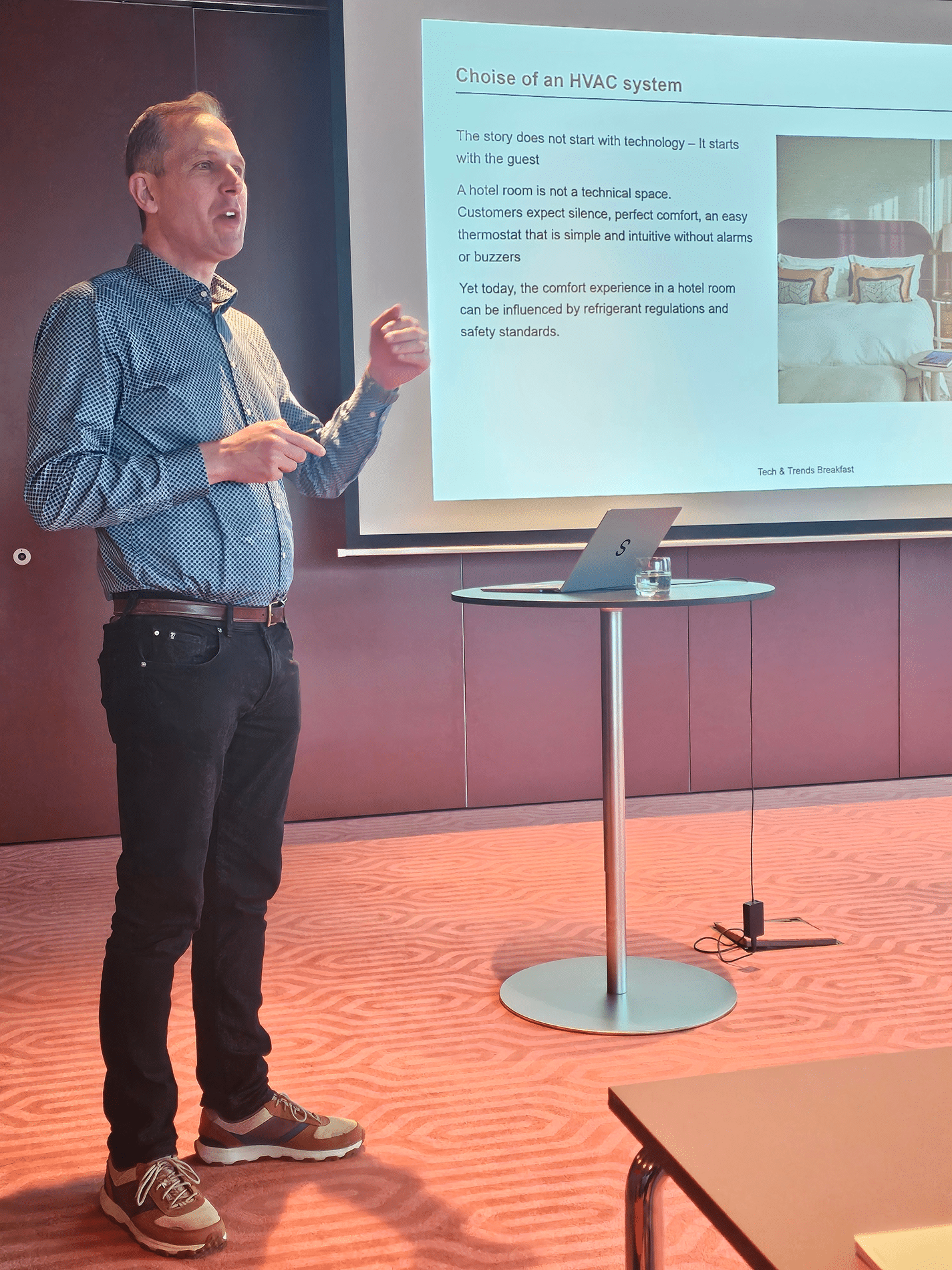
Classic systems are also disappearing from the room itself. Michael Vandermeerschen, Technical Sales Advisor Hotels & Projects at Vecolux, explained how hotels are evolving from simple automation to true intelligence: “The hotel key card we used to use to save energy? That's actually outdated.” In its place are sensors and smart logic. The room itself detects if a guest is present and adapts automatically: lighting, temperature, and ventilation respond dynamically to usage.
According to Vandermeerschen, the key lies in integration: “Manufacturers are now collaborating behind the scenes, allowing systems to communicate directly with each other. You no longer need complex intermediary layers.” This also translates into operational efficiency. Housekeeping can immediately see which rooms are available, while technical teams can detect and resolve issues more quickly.
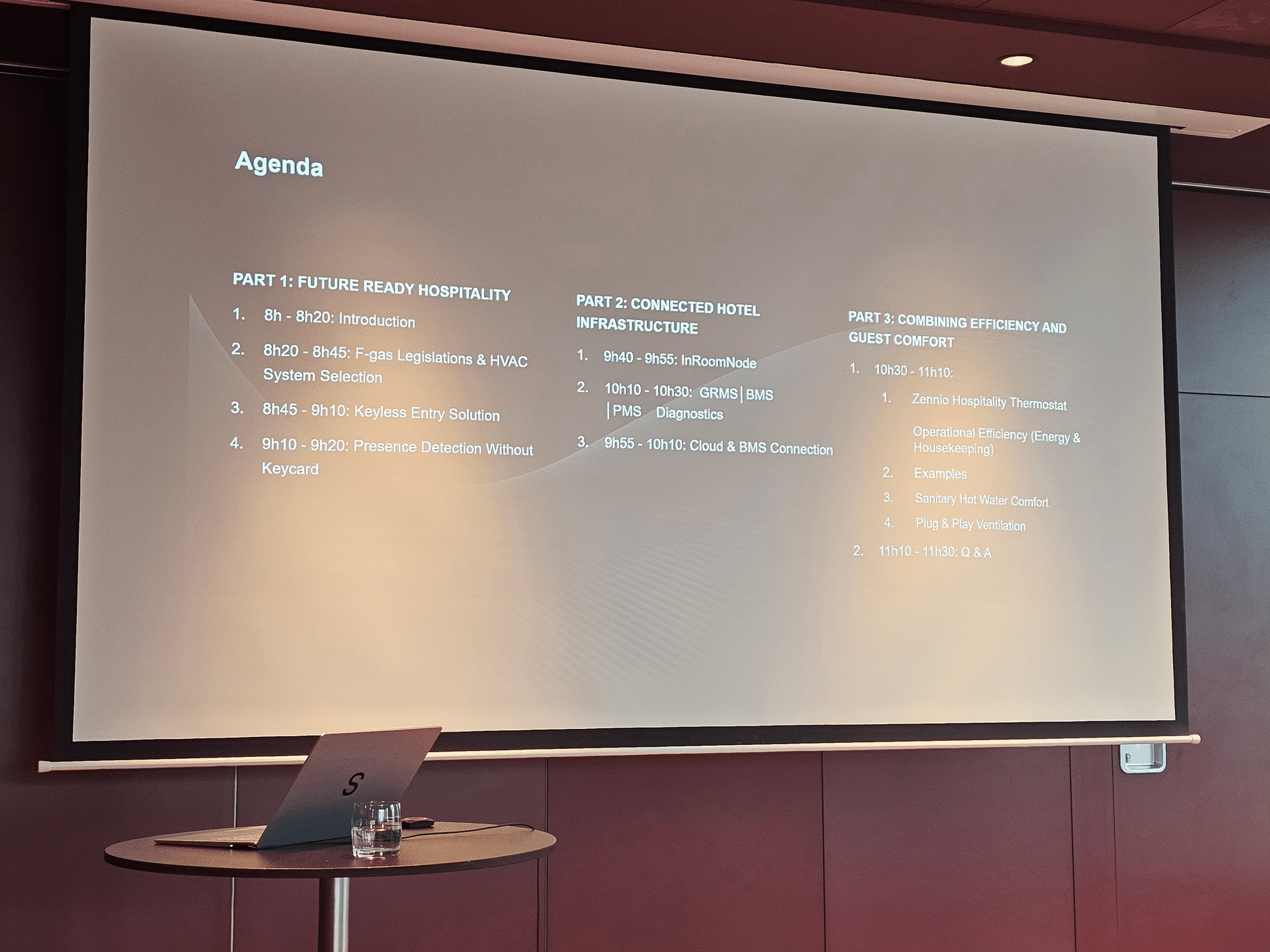
Energy management was one of the main themes of the morning. Hotels are under pressure to reduce their consumption, but without sacrificing comfort. “Comfort remains number one for the guest,” emphasised Vandermeerschen. “But today, we can perfectly combine that with energy saving and operational efficiency.”
A clear evolution is emerging: smart technology automates processes and optimises workflows, while simultaneously eliminating waste. Room management systems play a crucial role in this. They automatically adjust based on occupancy, booking data, and guest behaviour. Savings of 35 percent or more are realistic.
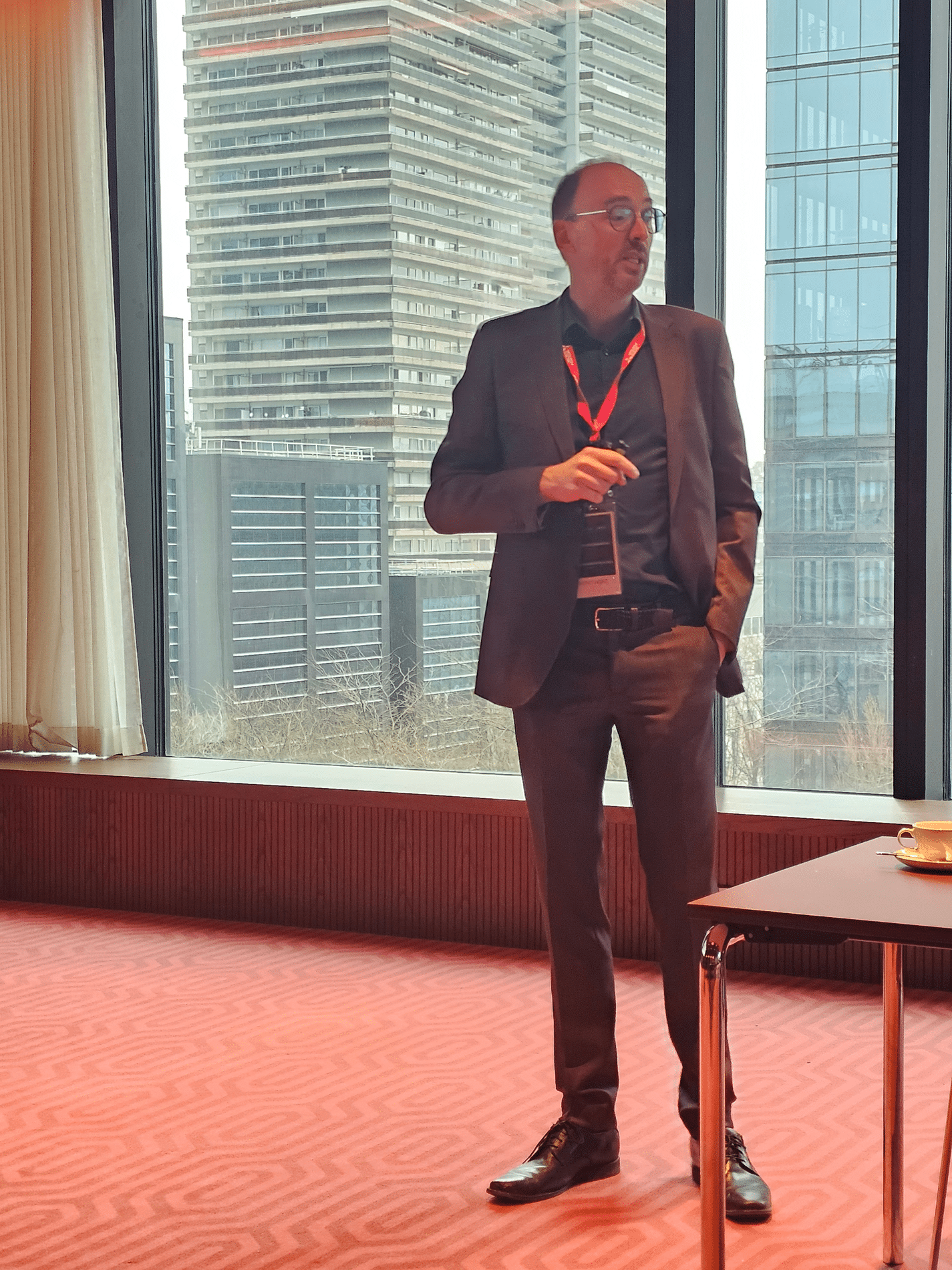
The technical section came from Klaas Cosyns, HVAC specialist at Mitsubishi Electric. He went into more detail on the impact of European F-gas legislation and the associated safety standards, such as EN378: “We are in a transition phase. New refrigerants are more environmentally friendly, but they also bring additional safety requirements and complexity.”
The EN378 standard determines, among other things, how much refrigerant can be present in relation to the volume of a room and which safety measures are necessary, such as leak detection, ventilation, or shut-off valves. This has a direct impact on design, installation, and maintenance, particularly in hotels with many small, occupied rooms.
Evolution is forcing hotels to rethink their HVAC systems fundamentally: solutions such as hybrid VRF and 4-pipe heat pumps, which bring water instead of refrigerant to the rooms, are gaining importance because they reduce the need for additional safety measures and simplify maintenance without sacrificing performance. At the same time, plug-and-play ventilation and air handling units with integrated heat pumps are also gaining popularity to ensure a pleasant indoor climate, while CO2 or propane (R290) heat pumps are increasingly being used for the production of domestic hot water. As Cosyns summarises: “Ultimately, it all comes down to what the guest experiences, and that remains a perfect indoor climate.”
What became particularly clear during the Tech & Trends event is that technology shouldn't be visible, but felt. The hotel room is evolving into a smart system where access control, climate control, and energy management work seamlessly together. From digital key to automatic temperature control: everything is interconnected.
For hoteliers, that means a clear choice. Don't invest in standalone solutions, but in integrated, future-ready ecosystems. Or as it was put during the session: the challenge isn't to install more technology, but to make it work together more smartly.