hotelvak.be
EN

Platform on hotel management, interior design and design in Flanders
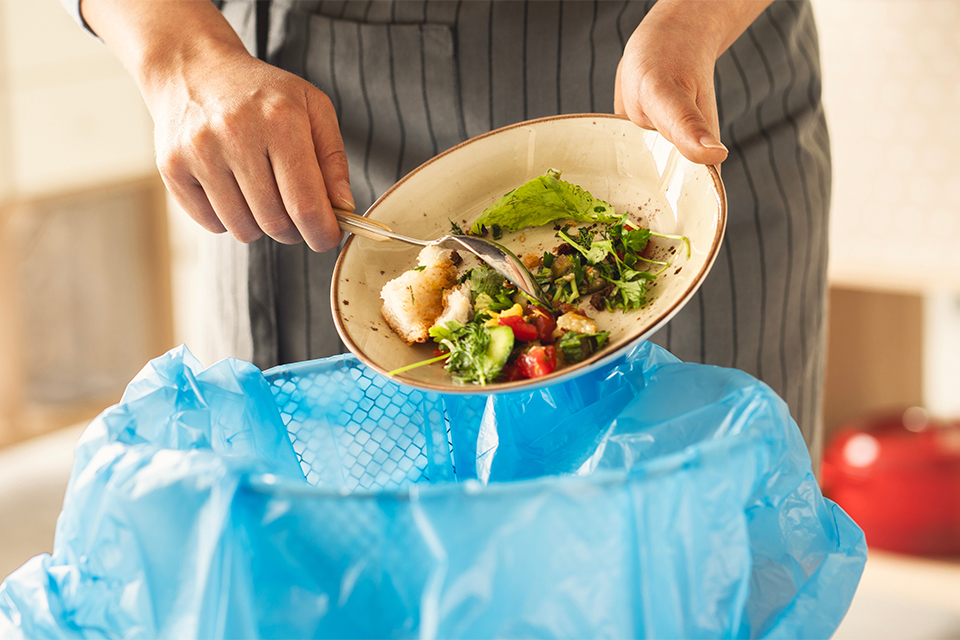
There's nothing quite like a well-stocked breakfast buffet for guests, until the leftovers remain at the end of the morning. Under the guise of ‘measuring is knowing’, the Foundation Together Against Food Waste maps food waste with the Hotel Monitor.
To gain a good insight into food waste at breakfast buffets, the initiator "Samen tegen Voedselverspilling" (Together Against Food Waste) partnered with a research team and several hotels. Wageningen University & Research analysed the results. The initial findings from the Hotel Monitor indicate that, on average, 62.2 grams of food per guest remain at the end of the breakfast buffet. To illustrate this figure; that is equivalent to two slices of bread.
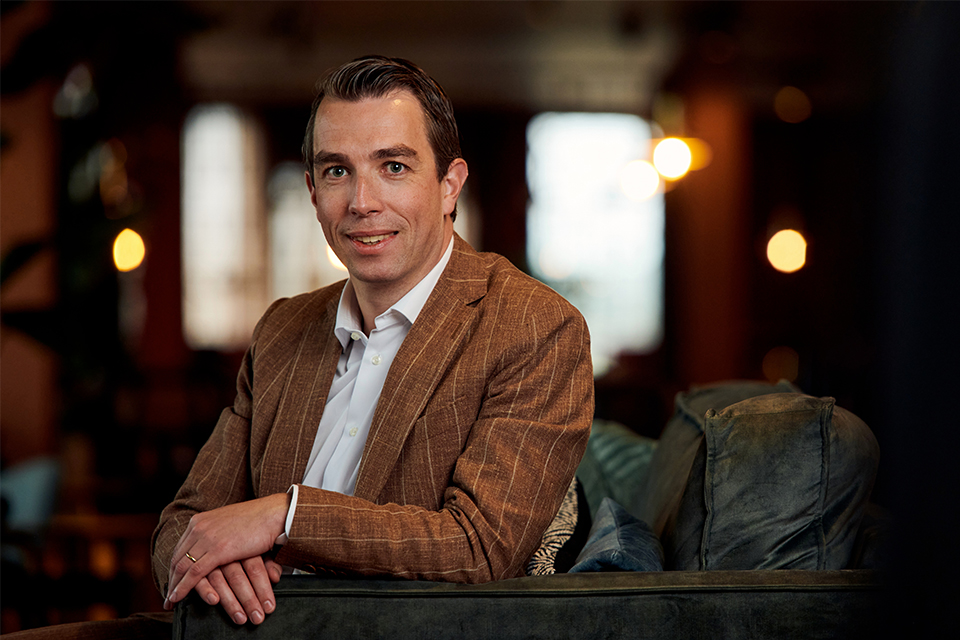
Erik-Jan Bausch is General Manager of the Leonardo Royal Hotel Amsterdam, one of the hotels participating in this extensive study. For him, participation was a given: “We believe it’s important to gain insight into where waste occurs. Only by measuring properly can you truly improve. At Leonardo Hotels, we believe that hospitality and sustainability go hand in hand.” In addition to the Leonardo Royal Hotel Amsterdam, several Hilton hotels and Westcord and Double Tree establishments also participated in the study.
The Hotel Monitor provided insight into which part of the breakfast chain produced the most food waste. The analysed data is based on 24 hotels, 3,400 measurement days, 96,000 kilos of registered products and cut-offs, and 850,000 guests. It was immediately clear that most food waste comes from bread and hot dishes; precisely 53.9 percent per guest per breakfast. This is where hotels can achieve the most profit to combat waste.
Within Leonardo Hotels, AI has also been in use for some time to map this out. “We have been working with Orbisk for over two years, a smart AI solution that uses cameras and weighing technology to record which products are being thrown away and in what quantities. This gives our teams a concrete insight into where waste is occurring and which adjustments have an immediate impact,” explains Bausch. “Through this data-driven approach, we have been able to reduce our food waste by approximately ten percent. This not only results in less waste but also creates more awareness within our teams.”
Incidentally, it wasn't limited to measuring; the hotels also engaged in discussions about challenges and best practices. At the Leonardo Royal Hotel Amsterdam, they can immediately put the insights into practice. Bausch: “What we particularly see is that smarter purchasing, better anticipation of guest flows, and actively involving staff in preventing waste works very well. We believe in sustainable solutions that are practically applicable in daily hotel operations and help to work more consciously and efficiently straight away.”
But how do you combat food waste and give guests the most complete breakfast experience? The most striking tip from the participating hotels has everything to do with team awareness. Organise a competition or challenge within the hotel, so that it becomes their own challenge. Guests can also be part of the process. Good communication is essential, so they know it’s being taken seriously. Bausch also applies this within his hotel: “We are increasingly discussing with congress and event organisers to include zero food waste as a starting point for their event. By critically examining numbers, buffets, and food concepts together, we can further reduce waste without compromising the guest experience.”
The Hotel Monitor shows that small adjustments yield significant profits in combating food waste. Bausch also sees this reflected: “With 490 rooms, nearly 600 breakfast guests daily, and many large events in addition, the impact of food waste in a hotel like ours is considerable. Precisely because of this, relatively small improvements in operations can quickly make a big difference.”
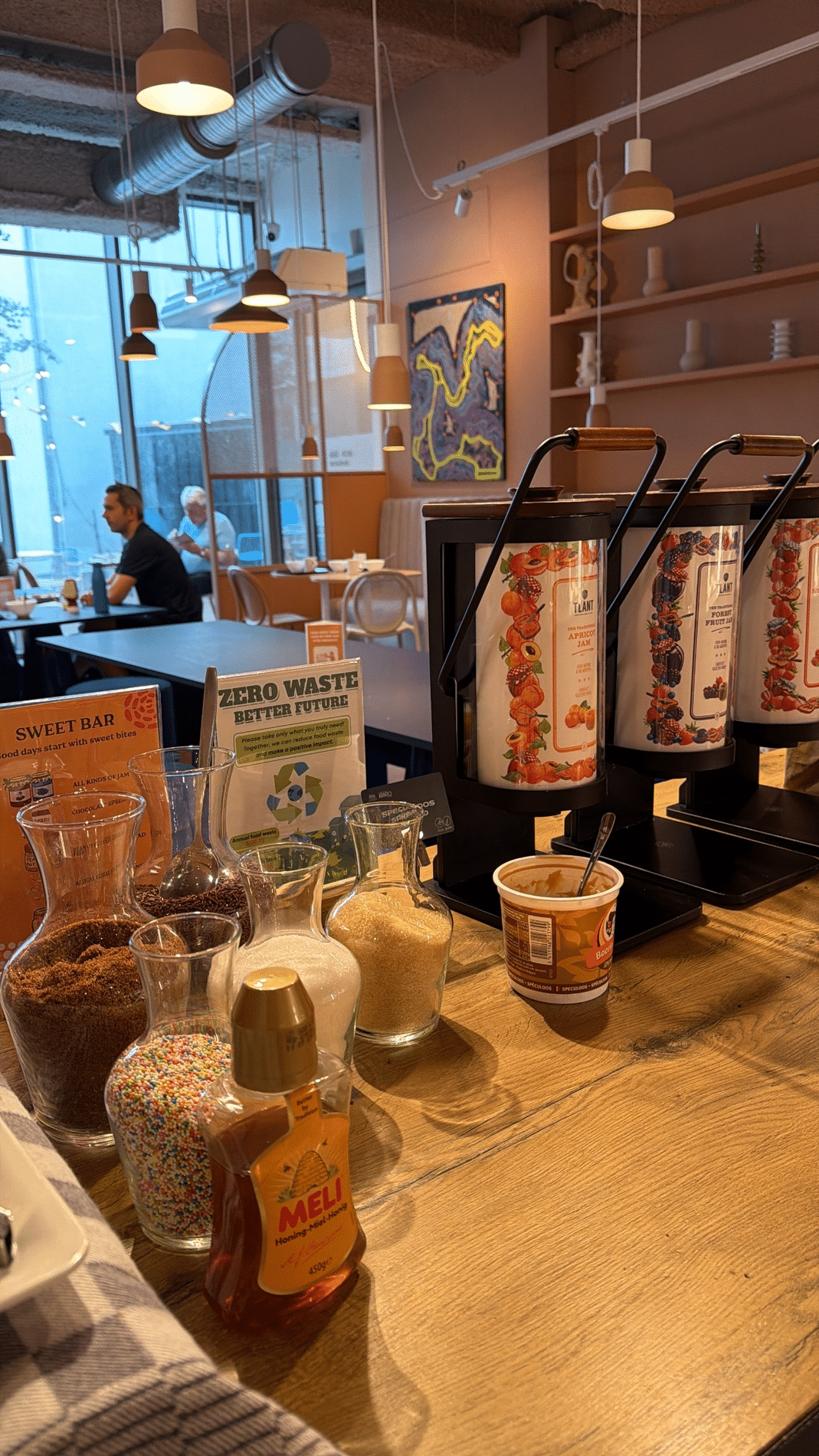
Measuring is the starting point for tackling food waste, a point also emphasised by Royal Horeca Netherlands. It helps you to purchase and produce with greater focus. And by arranging the breakfast buffet more cleverly, you also take significant steps towards combating food waste. Enormous filled platters might be eye-catchers at the breakfast buffet, but they increase waste. By working with smaller quantities, you counteract this. A smaller variety of hot dishes is also a big step forward. And, of course, very importantly: communicate with your guests. As soon as they gain understanding, awareness follows naturally. Just like reducing waste.