



Less waste, more return
Text Kris VandekerckhoveImage FoodWIN / ibis Budget & Adagio Acces Gent Dampoort
Food waste remains a persistent challenge for the hotel sector. Yet relatively small interventions can quickly make a big difference. The ibis Budget Hotel in Ghent found this out too, when it took part in the European project Hotels Cut Waste together with FoodWIN. The result? A 32 per cent reduction in food waste and a programme that pays for itself within a year.
How FoodWIN helps hotels to organise their breakfast buffet more thoughtfully
Food waste remains a persistent challenge for the hotel sector. Nevertheless, it turns out that relatively small interventions can quickly make a big difference. The ibis Budget Hotel in Ghent also discovered this, participating in the European project Hotels Cut Waste together with FoodWIN. The result? A decrease in food waste of 32 percent and a process that pays for itself within the year.
FoodWIN, Rikolto's centre of expertise on food waste, supports hotels, catering businesses and large-scale kitchens, among others, in reducing food loss. What began in healthcare cafeterias a few years ago also found its way into hotels. “After a successful project with Vayamundo and later with Sheraton and Marriott, among others, we saw how much potential there still was in the sector”, says Mélodie Arts, coordinator at FoodWIN.
Through the European project Hotels Cut Waste, hotels received guidance to map their food flows and develop targeted measures against food waste. ibis Budget Gent Dampoort and Adagio Access Gent Centrum Dampoort also participated in the programme. Both hotels are part of the same site, share a breakfast buffet, and were therefore guided jointly.
Measure to know
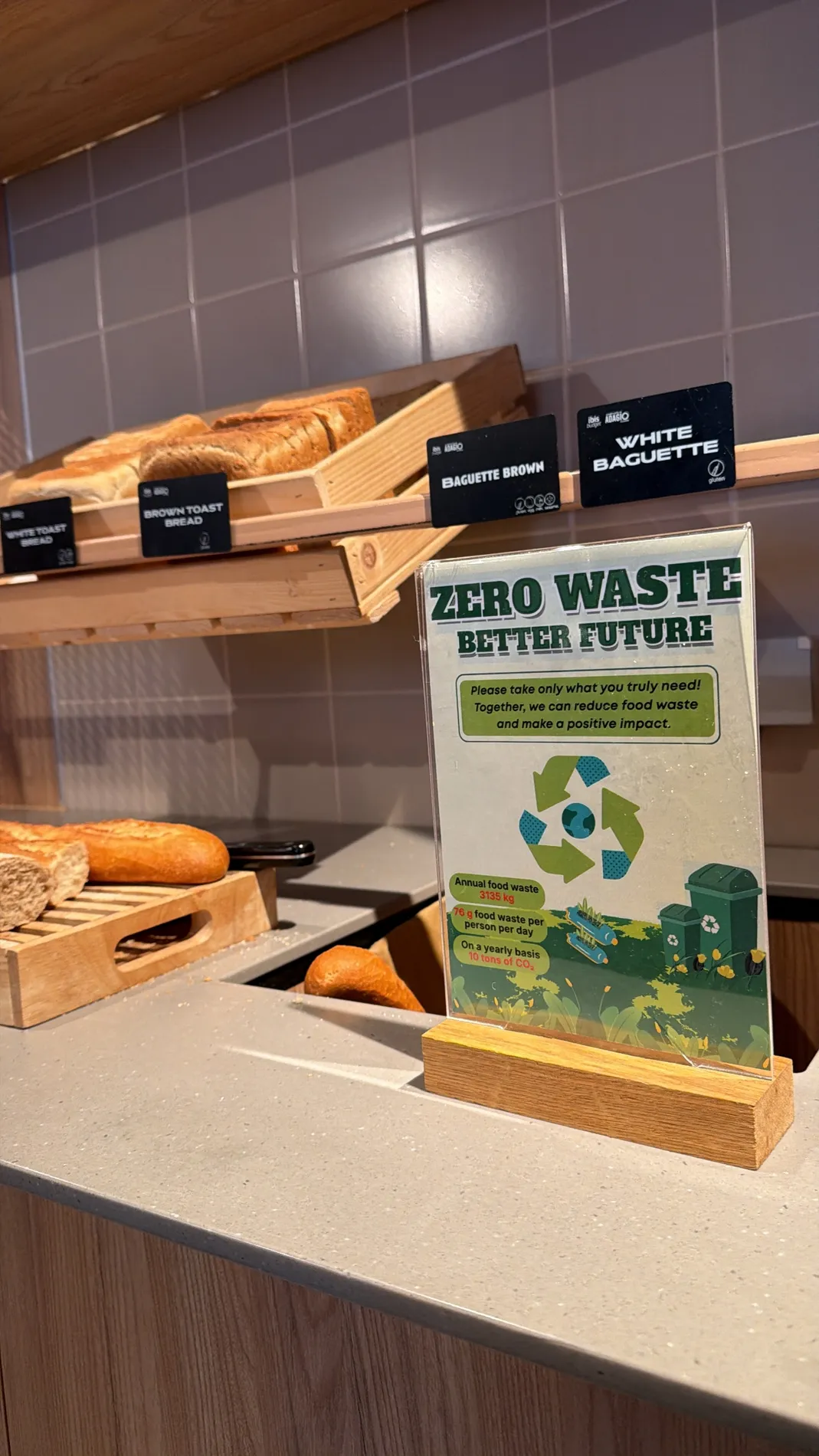
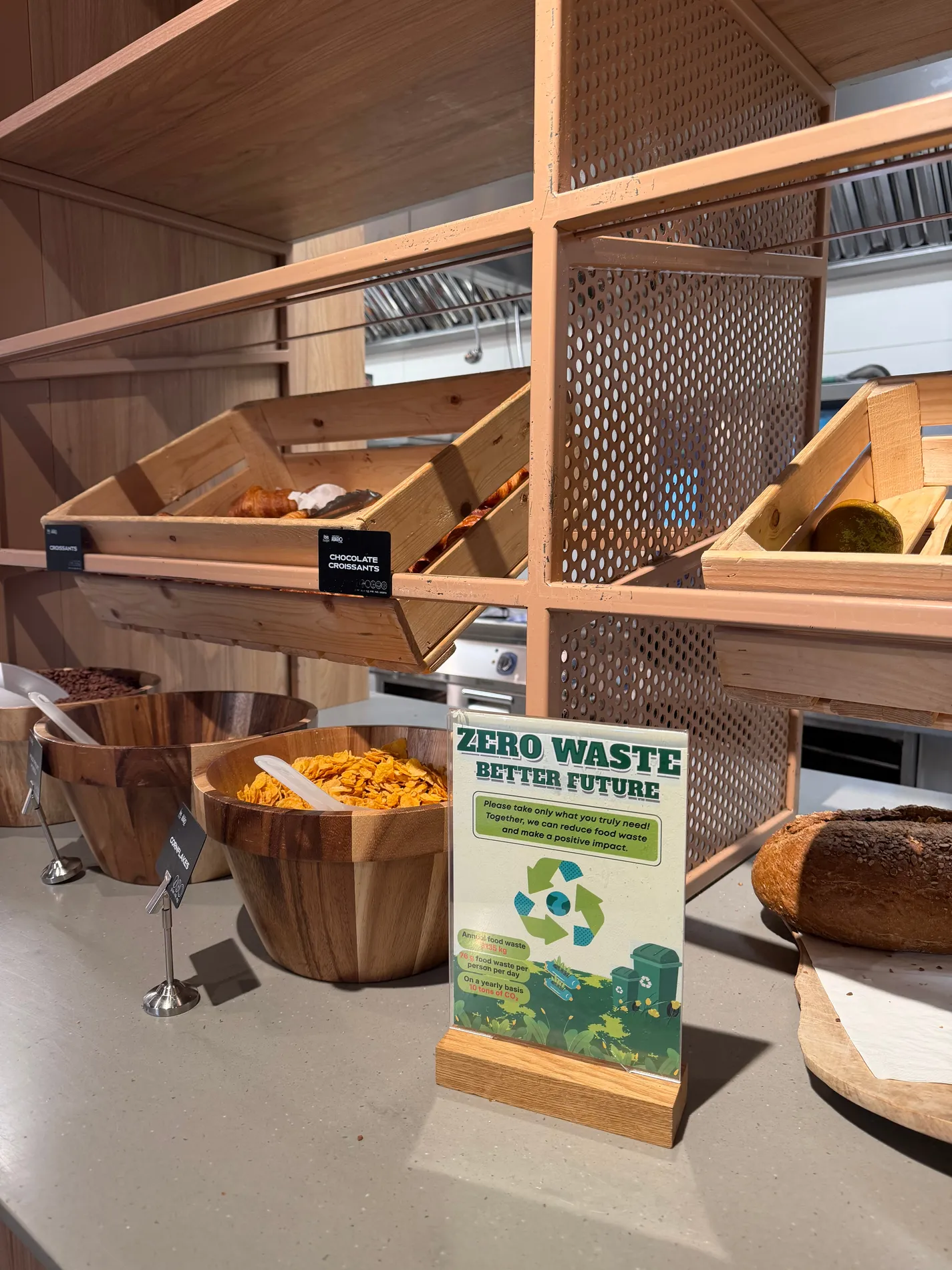
For Jef Ruysschaert, F&B Manager at the ibis Budget & Adagio Acces Gent Dampoort hotel, food waste was not an unfamiliar topic. “We had already been working on it for a while. We particularly noticed the leftovers on plates from the breakfast buffet. This is why we were already communicating daily how much food had been thrown away the previous day.” Nevertheless, the scale turned out to be larger than expected. The initial measurements showed an annual food waste of over 1,100 kilogrammes, accounting for an average of 76 grams per guest per breakfast.
According to Arts, this immediately presents one of the biggest challenges for hotels. “Many companies think it’s not that bad, but they don’t measure. As a result, they don’t have a realistic picture of what actually ends up in the bin. Production is often still too much based on gut feeling, without clear guidelines or historical data.”
No finger-wagging
FoodWIN's approach consists of four steps: a baseline measurement, a strategic session to discuss findings and solutions, followed by an action plan developed together with the hotel team. A new measurement then follows to evaluate the impact.
It is striking that the guidance is consciously done bottom-up. “You don’t get a list of everything you’re doing wrong,” says Ruysschaert. “They think along with you and there is a lot of interaction. Afterwards, you receive a clear step-by-step plan that you can immediately get to work with.”
Arts also stresses that employee involvement is crucial: “Behavioural change only works if people come up with solutions themselves. That's why we bring management, kitchen and front-of-house teams together around the same table.”
Small interventions, big impact
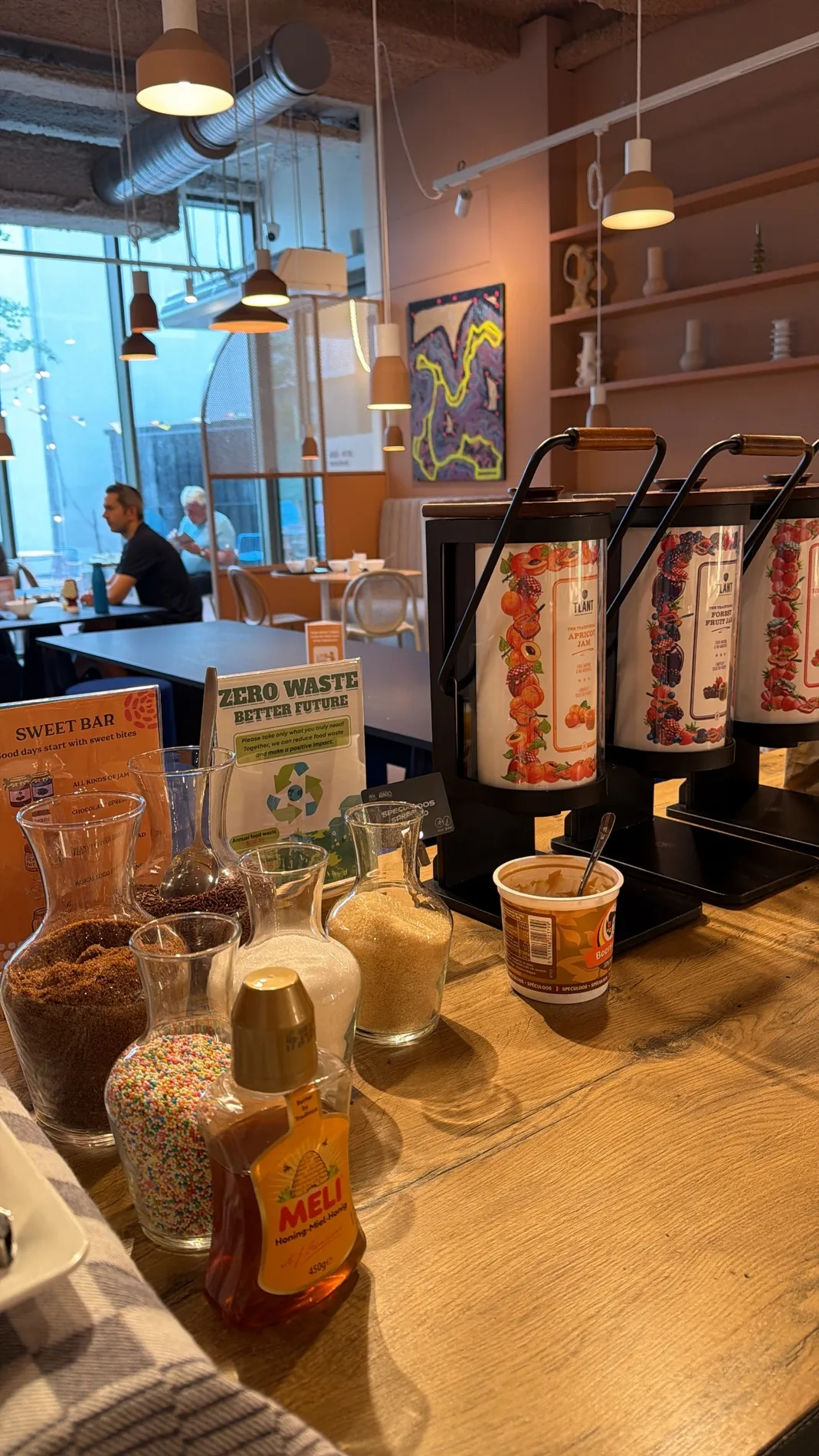
The actions that came out of the process were often surprisingly simple. For example, the ends of tomatoes, which used to be thrown away, are now processed into homemade soup. Smaller plates, bowls, and serving spoons were introduced at the buffet so that guests are less likely to take too much. In addition, there was more communication about food waste and clear dishwashing guidelines were drawn up for the breakfast team.
Internal communication was also improved. The front-of-house team regularly provides updates during breakfast on how many more guests are expected, allowing the kitchen to better estimate the quantity of products to replenish. According to Arts, this often leads to significant savings: “Overproduction remains one of the biggest causes of food waste. The better you can estimate guest flow, the more targeted your production can be.”
Resultaten die tellen
The efforts were not without result. The second measurement showed that food waste had decreased by 59 percent. Converted, that means approximately one tonne less food waste per year. This alone yields savings of around 2,000 to 2,500 euros per year on purchasing costs.
For Ruysschaert, the added value is clear. “The entire team is involved. You notice that both employees and guests appreciate it. It stays alive within the organisation, and at the same time, you receive the necessary support to achieve results.” His advice to fellow hoteliers is therefore straightforward: “Absolutely do it. The process is professionally guided, you get concrete tools, and you effectively see results.”
Question about this story? Ask your question
Keep following this
Get an email when a new story is published. No account needed.
- ThemeFood and drink as a selling point
- SubjectFood & beverage