hotelvak.be
EN

Platform on hotel management, interior design and design in Flanders
Anyone walking into a hotel quickly anticipates a lobby filled with suitcases, international guests, and a receptionist asking for a passport or reservation number. But what if that same hotel also became a place for local residents? For a coffee after walking the dog, a local exhibition, a Portuguese evening, or even a neighbourhood gathering? This is precisely the idea behind Buurthotel, the initiative that is trying to reconnect hotels with their immediate surroundings.
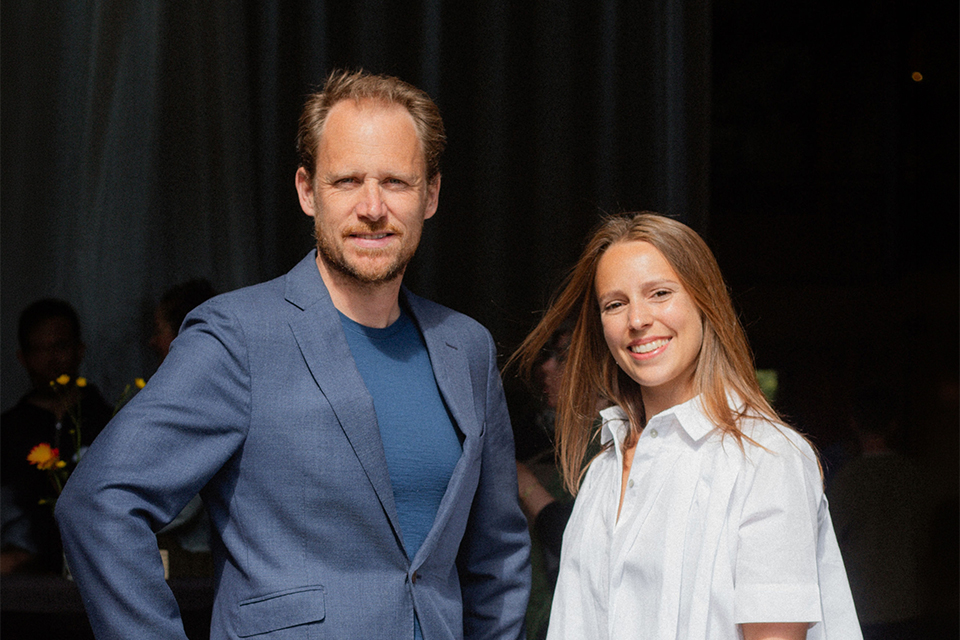
Behind the concept is co-founder Laura Viaene, who also recently ranked 44th in the Hotel Influencers 100. Remarkable, because hospitality was certainly not her natural habitat. The Belgian studied clinical psychology and health promotion in Ghent and worked for years in the social sector. In Amsterdam, she led a foundation that made fruit and vegetables from local farmers available at low prices for people with small budgets. “I noticed in clinical psychology that it was going too slowly for me,” she says. “You help people one by one. I actually wanted to see how you can motivate or support larger groups of people.”
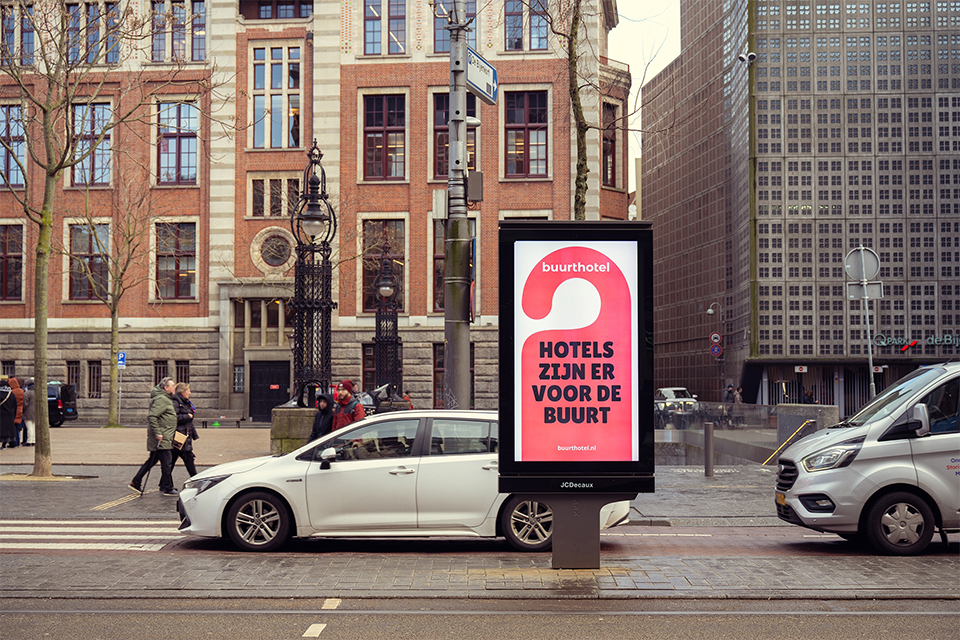
Through the creative agency D/DOCK, she came into contact with the idea of the Neighbourhood Hotel. Architect and D/DOCK partner Thomas van Leeuwen saw how residents in Amsterdam were becoming increasingly critical of tourism and hotels. According to Viaene, the complaint was often the same: “Hotels reap the rewards of tourism and we bear the burden.” "Hotels often wanted to do something, but simply didn't know the neighbourhood well enough. We wanted to build that bridge."
Neighbourhood hotels therefore literally aim to open up hotels to the neighbourhood. Not just as a commercial place to stay, but as a social facility. The initiative emphatically focuses on social cohesion, connection in the city, and utilising existing spaces for social issues. “How can you make a difference to a neighbourhood using the facilities that are already there?” says Viaene. “That's about loneliness, meeting others, but sometimes also about poverty or employment.”
That sounds idealistic, but Buurthotel explicitly tries not to be a charity project. “We encourage every hotel to make its neighbourhood function visible, which is why hotels can be listed on the platform for free,” says Viaene. “If hotels also want support in terms of advice, concept development and promotion, they can opt for a paid membership of 1,500 euros per year.” In addition, Buurthotel also works with municipalities, industry organisations and partners who contribute to the initiative through subsidies, media value or in-kind support. According to Viaene, the initiative should also be financially attractive for hotels. “Hotels are going through a turbulent period, with staff shortages, VAT increases and rising costs. Then you also have to look at local target groups and additional revenue streams.”
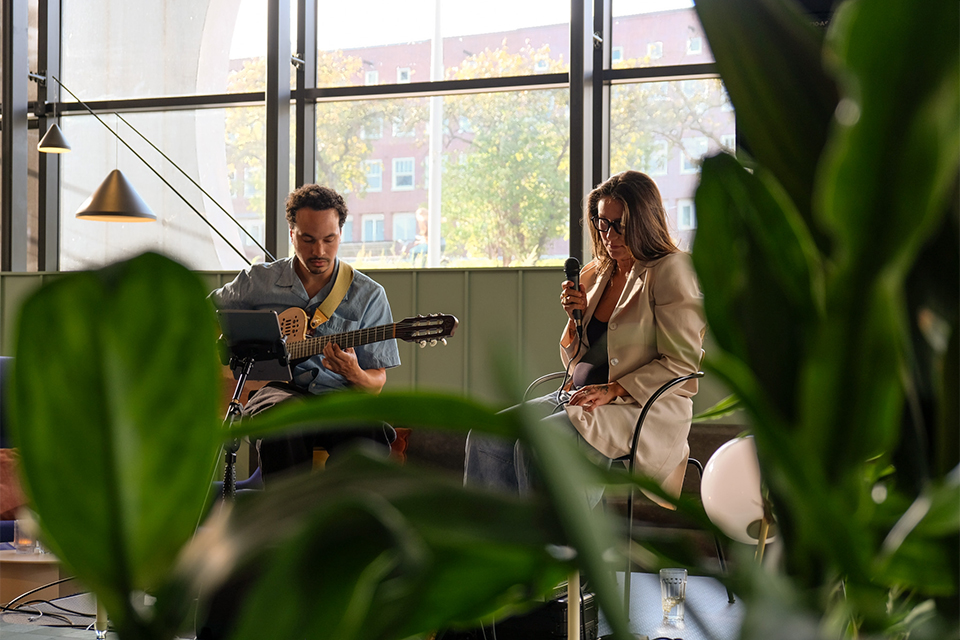
And it turns out there really are. For example, after a campaign by Buurthotel, Pestana Amsterdam Riverside saw interest from the local community increase. The hotel organised Portuguese evenings with special dishes, live music evenings, and at the same time offered last-minute overnight stays with significant discounts to local residents. “We really saw residents booking rooms for anniversaries or family visits,” says Viaene. “And once people have been inside, they come back later for a coffee or dinner.”
She also cites hotels like Hotel Jakarta Amsterdam and The July Boat & Co as examples of hotels that have been strongly focused on the neighbourhood from the design stage. “At Hotel Jakarta, you can see that the bakery has really become a neighbourhood facility. And at The July Boat & Co, many people know restaurant Vessel before the hotel itself.”
However, the initiative goes beyond the hospitality and events sectors. The neighbourhood hotel also investigates whether local residents can be more easily helped to find work in hotels. In addition, it collaborates with educational institutions such as Hotelschool Maastricht, the Amsterdam University of Applied Sciences, Hotelschool The Hague, and the Erasmushogeschool Brussels. For example, students assist with environmental analyses and research how the concept can work in different cities.
An important lesson learned in the meantime is that not every hotel is automatically a “Buurthotel” (Community Hotel). Viaene soon saw that some hotels primarily wanted to use the concept as a marketing tool. “We had hotels that thought: five percent off a meeting room and that's it. We didn't want to go along with that.” Therefore, hotels must organise at least one community activity and make at least one facility available to the neighbourhood. Hotels that didn't do enough of this were temporarily removed from the platform. "Otherwise, you become a sort of social-washing platform."
Creativity is at least as important. According to Viaene, many hotels still think too much from the traditional hotel perspective. “They mainly look at what they already have: a hotel package, a special offer, a discount on a room. But local residents don’t just walk into a hotel for a discount alone.” That is why Buurthotel organises so-called ‘Think like a local’ sessions, in which hotels learn to think from the perspective of local residents. In addition, Buurthotel actively seeks input from the neighbourhood itself, after which targeted matches are made between local initiatives and hotels – ranging from yoga instructors and personal trainers to mindfulness sessions, neighbourhood get-togethers and voluntary organisations.
She has now also noticed that interest is growing outside Amsterdam. Rotterdam has joined the scheme, Maastricht is exploring the possibilities, and cities such as Barcelona, Berlin and various Belgian cities have also got in touch via the international website Hotels for Locals. From June, Viaene herself will be moving to Brussels to further develop the Belgian expansion. “Belgium feels like the logical next step,” she says. “That’s where my roots lie, and at the same time I see plenty of opportunities there too.”
Viaene is not yet prepared to say whether the Buurthotel will actually be an answer to overtourism. The initiative has not been around long enough for that. However, she does notice that residents“ attitudes towards hotels are changing. ”People are increasingly realising: hey, I can just walk in here too. Hotels are also for local residents.”