hotelvak.be
EN

Platform on hotel management, interior design and design in Flanders
Why hotels must evolve from SEO to AI visibility and personalised guest journeys
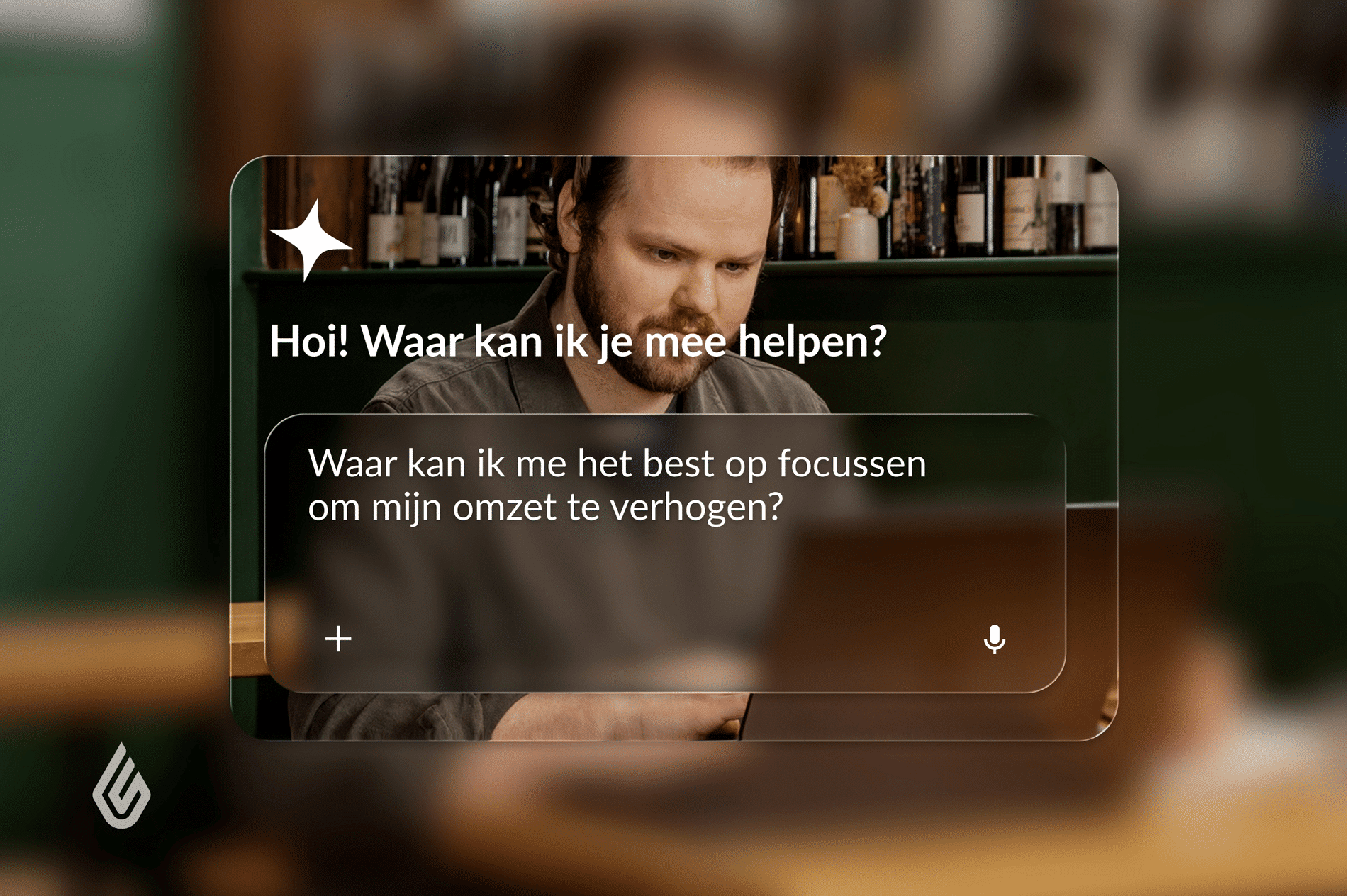
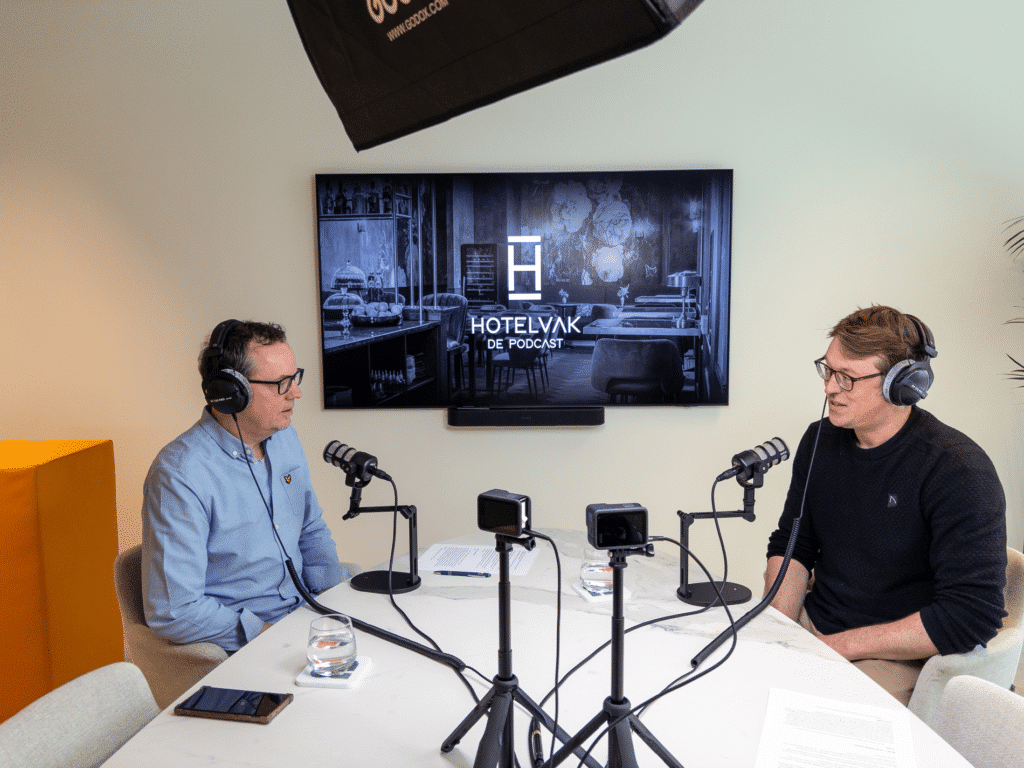
The rise of artificial intelligence is turning the hospitality sector upside down. But while some fear a colder, more automated experience, Tomas Sergeant, IT and Marketing Manager at C-Hotels Group, sees quite the opposite happening. In ‘Hotelvak, de podcast’, he explains how AI is creating the much-needed space for more human interaction.
“The evolution we are experiencing today is of a different nature,” says Sergeant. “It forces us to fundamentally rethink how we work and how we can improve our processes.” According to him, AI is not a threat, but an opportunity to rethink the sector.
One of the biggest pain points in hotels is time pressure. Staff are often busy with recurring questions and administrative tasks, leaving less room for personal attention. This is precisely where AI is already making a clear difference today. “By automating repetitive communication, staff regain time to truly connect with guests,” says Sergeant. “That human aspect remains essential in hospitality.”
At C-Hotels, AI is used as a digital assistant on three levels: for management, employees, and guests. For example, AI enables dynamic pricing based on supply and demand, a system reminiscent of revenue management in the aviation sector.

Internally too, AI is becoming increasingly important. C-Hotels developed its own AI assistant that supports receptionists with questions about rooms, procedures and other hotels within the group. “Previously, every employee had their own way of answering,” says Sergeant. “Now we guarantee consistent information, regardless of who helps the guest.”
This not only increases efficiency but also the quality of communication, while simultaneously opening the door to additional revenue through targeted cross- and upselling.
On the guest side, AI plays a key role in communication. Tools such as chatbots and WhatsApp integrations answer questions at any time of the day, both before booking and during the stay. “The moment a customer has a doubt is crucial,” explains Sergeant. “If you then immediately provide the right information, you make the difference between booking or not booking.”
Following a reservation, this line is extended: guests automatically receive messages with practical information and are given the option to book extras, fully automated.
The increase in communication channels – from email to social media and messaging apps – makes it more complex for hotels to guarantee consistent information. According to Sergeant, this presents a significant challenge. The solution? A single, structured data layer – a so-called ‘single source of truth’ – that feeds all systems. This ensures that information remains correct and uniform across all channels.

Besides operational impact, AI is also changing how hotels are visible online. Whereas search engine optimisation (SEO) used to be central, the focus is now shifting to visibility within AI systems such as ChatGPT. “It’s no longer enough for your website to rank well on Google,” says Sergeant. “You need to ensure that AI systems can read and use your information.”
This calls for a new approach, where websites are optimised not only for humans but also for machines.
According to Sergeant, the next big step is hyper-personalisation. Hotels will increasingly cater to individual guest preferences, from room temperature to pillow choice and language settings. “Those small details make the difference in the overall experience,” he says. “That's what we're evolving towards.”
The common thread running through the conversation is clear: technology doesn't replace humans, but rather enhances them. Smart automation reopens space for what hospitality is truly about: personal attention and experience. Or, as Tomas Sergeant summarises: “AI doesn't make us less human, but rather allows us to be human again.” Listen to the full podcast below: