hotelvak.be
EN

Platform on hotel management, interior design and design in Flanders
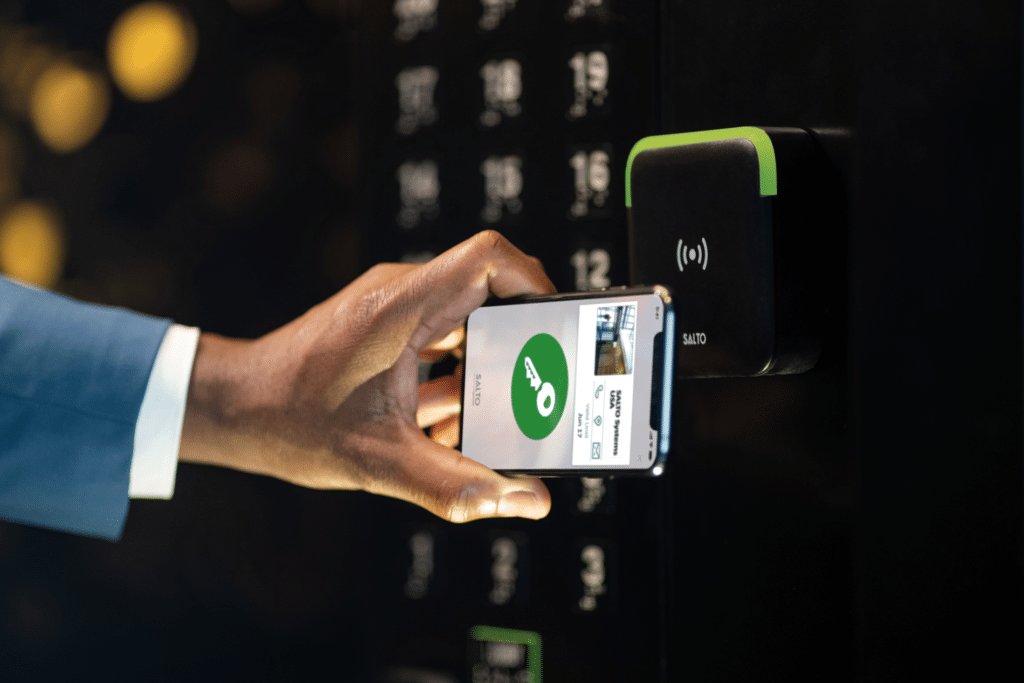
The hotelier is no longer the endpoint of check-in. They are increasingly becoming the starting point for a fully automated guest journey. For SALTO Systems, the term Inspired Access aptly summarises this evolution: access is no longer a purely technical act, but a smart link between guest experience, security, operations, and data.
SALTO Systems is celebrating 25 years in business and has its roots in the hospitality sector. The company once started with electronic battery-operated locks for hotel rooms, but subsequently took that technology into sectors such as healthcare, government, offices and coworking. Today, that experience is flowing back into the hotel sector once again. “Hotels have relied on the traditional key card for years, but are now increasingly asking for mobile access,” says Stéphane Raskin, business development manager at SALTO Systems.
The question doesn't come out of nowhere. Guests use their smartphones for just about everything today: booking, paying, navigating, communicating and entertainment. It therefore makes sense that hotel access also fits into that digital ecosystem. For many guests, opening a door with their smartphone no longer feels futuristic, but a matter of course.
“However, we deliberately do not opt for one definitive solution,” says Raskin. “Alongside mobile access, PIN codes and tickets also remain relevant. Consider families where children go to the swimming pool without a smartphone, or guests who prefer not to download an app. That hybrid approach is important: technology should make things easier for the guest, not force them.”
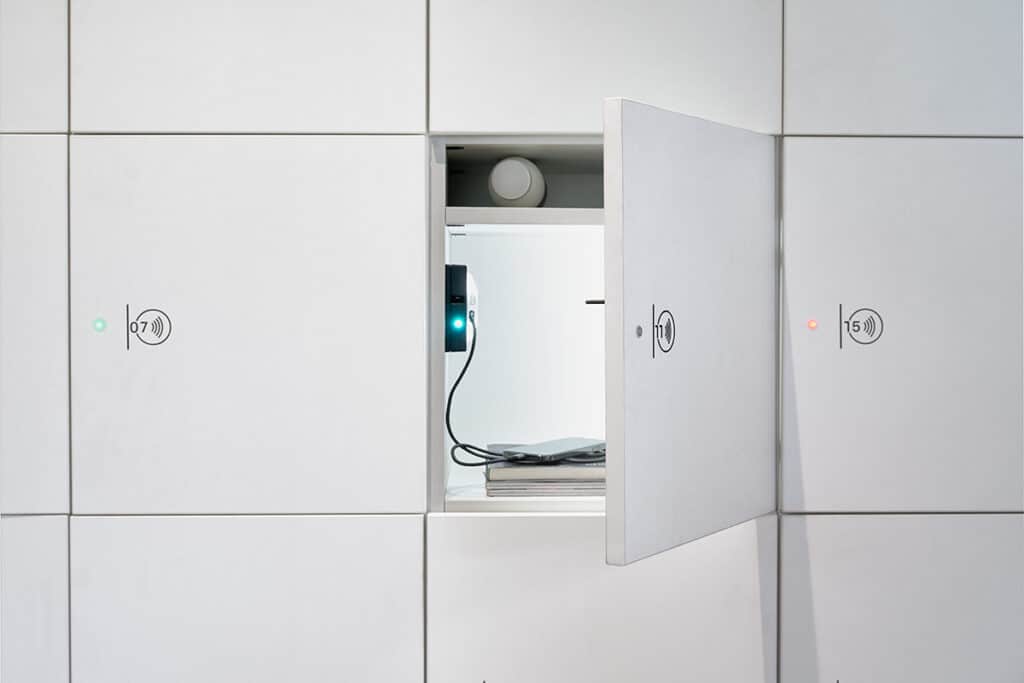
“For hotels, the profit isn't just about efficiency,” says Johan Ceuppens, Marketing Manager at SALTO Systems. “By automating check-in and key distribution, a large part of the queue at reception disappears. This frees up the hotel team's time for genuine hospitality: a personal welcome, answering a question, offering a drink, or providing an extra service.”
“Raskin sees a clear trend, particularly with smaller hotels, renovation projects, and self-check-in concepts. Family hotels that change ownership or reinvent themselves are increasingly opting for a leaner operational model. The reception is no longer permanently staffed, but thanks to automation, the follow-up remains at least as strong.”
The door is not standalone in this regard. SALTO Systems links its technology to PMS systems such as Mews, Lighthouse, Protel and Opera Cloud, and to partners involved in the guest journey, room management, and hotel communication. API software such as Guestway, for example, can follow up on technical notifications, such as a door with a nearly depleted battery. An app like Ask Whisper, in turn, welcomes the guest using AI, with a reference to parking, ‘check-in’ times, but also Salto's digital key.
Raskin: “Links with room management systems are also becoming more important. When a guest enters the room, the air conditioning can be automatically activated. When the cleaning team enters, this is not necessary. If someone is present, the system can indicate that the room should not be cleaned yet.”
Stéphane Raskin emphasises that privacy and GDPR remain central: “The technology is not intended to commercially exploit personal preferences. The value lies primarily in operational insights: when guests effectively arrive, when they depart, which areas are used, and how flows proceed through a building.”
Ceuppens: “For hotels, resorts and holiday parks, that information can help to better coordinate check-in times, plan cleaning more efficiently and manage facilities more smartly.”
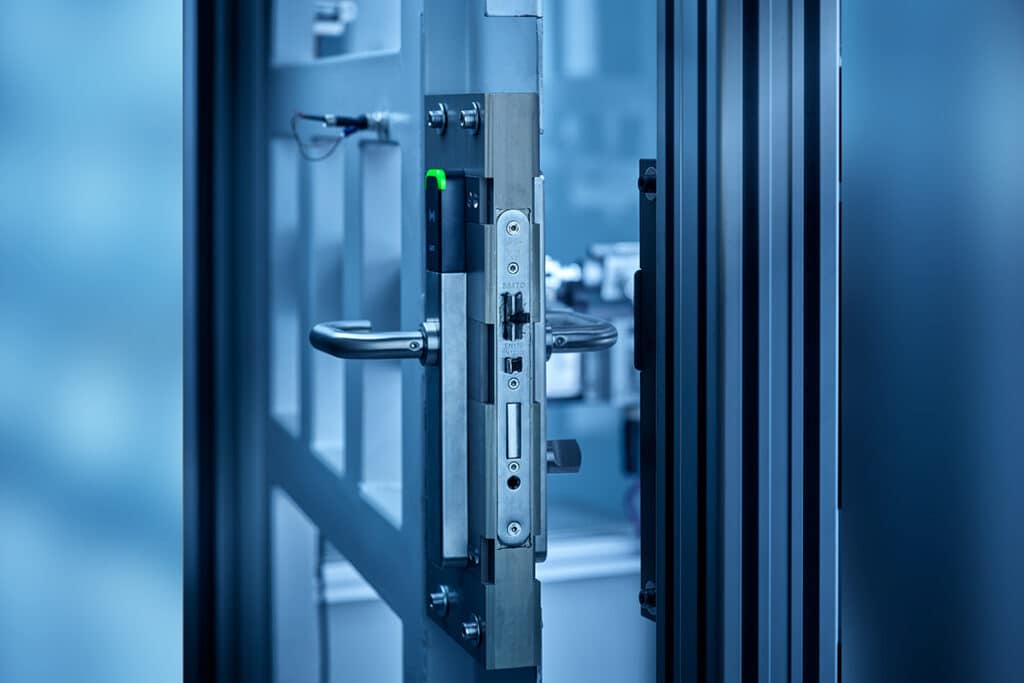
As hotels become larger and more complex, so does the need for identity management. Not only guests need access, but also suppliers, technicians, subcontractors and employees. Through QR codes, terminals and temporary access rights, these flows can be managed automatically, without anyone having to intervene at reception.
“This is particularly interesting for resorts, multifunctional hotels, or sites with multiple buildings, entrances, and facilities. Access then becomes a management layer on top of the entire operation,” says Raskin.
Over the coming years, SALTO Systems will continue to focus on cloud solutions, API integrations, and certified installation partners. For smaller hotel groups, central cloud management is already within reach. Larger chains will follow, with increasing attention to scalability, security, and integration.
Furthermore, the company is looking at technologies such as facial recognition. Not necessarily to open every hotel door with a face tomorrow, but rather to make check-in processes more intuitive.
The foundation remains surprisingly simple at the same time: a door must function perfectly, be fire-safe, and above all, remain flawlessly reliable. It was precisely from this in-depth knowledge of design door technology that SALTO Systems grew from a classic lock specialist into a technology partner that today also focuses on cloud software, data integration, AI, and guest experience.
Neem dan rechtstreeks contact op met SALTO Systems BVBA.
 Contact opnemen
SALTO Systems revolutionised access control in 2001 with the introduction of SALTO Virtual Network SVN data-on-card technology and advanced battery-powered, wireless, electronic intelligent door locks. For nearly 20 years, SALTO has been synonymous with innovative solutions, including stand-alone, cloud-based and mobile applications, that set new standards in security, [...]
Bekijk Bedrijfsprofiel