hotelvak.be
EN

Platform on hotel management, interior design and design in Flanders
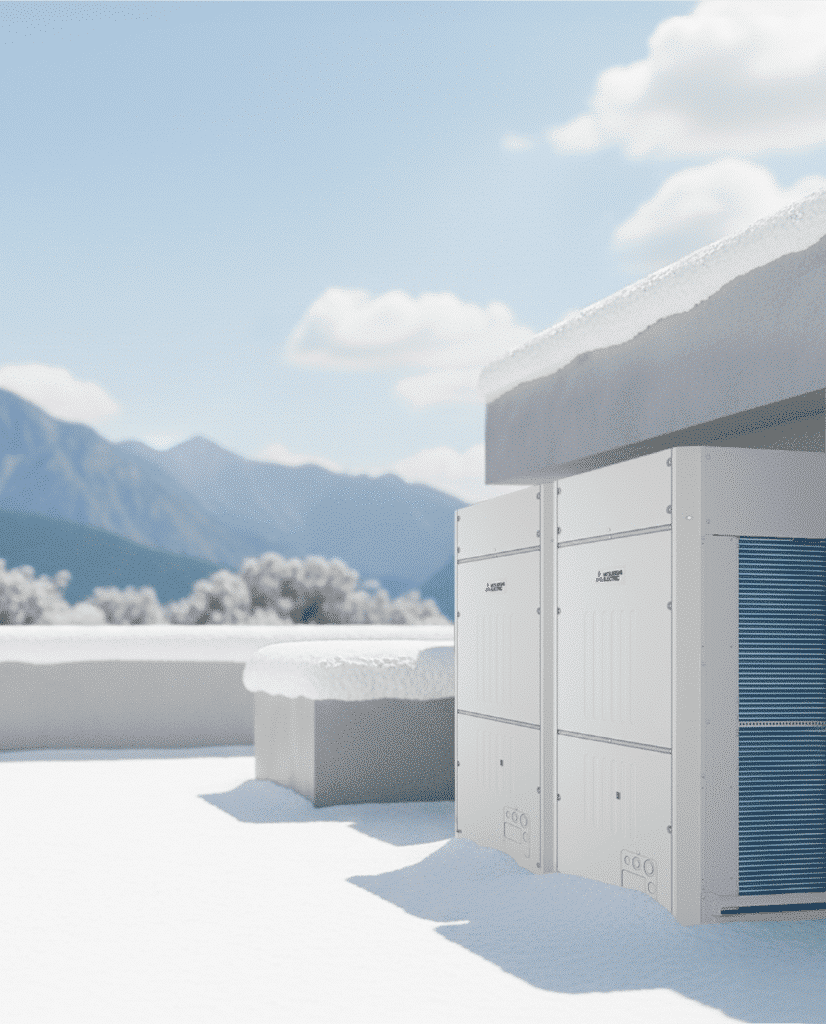
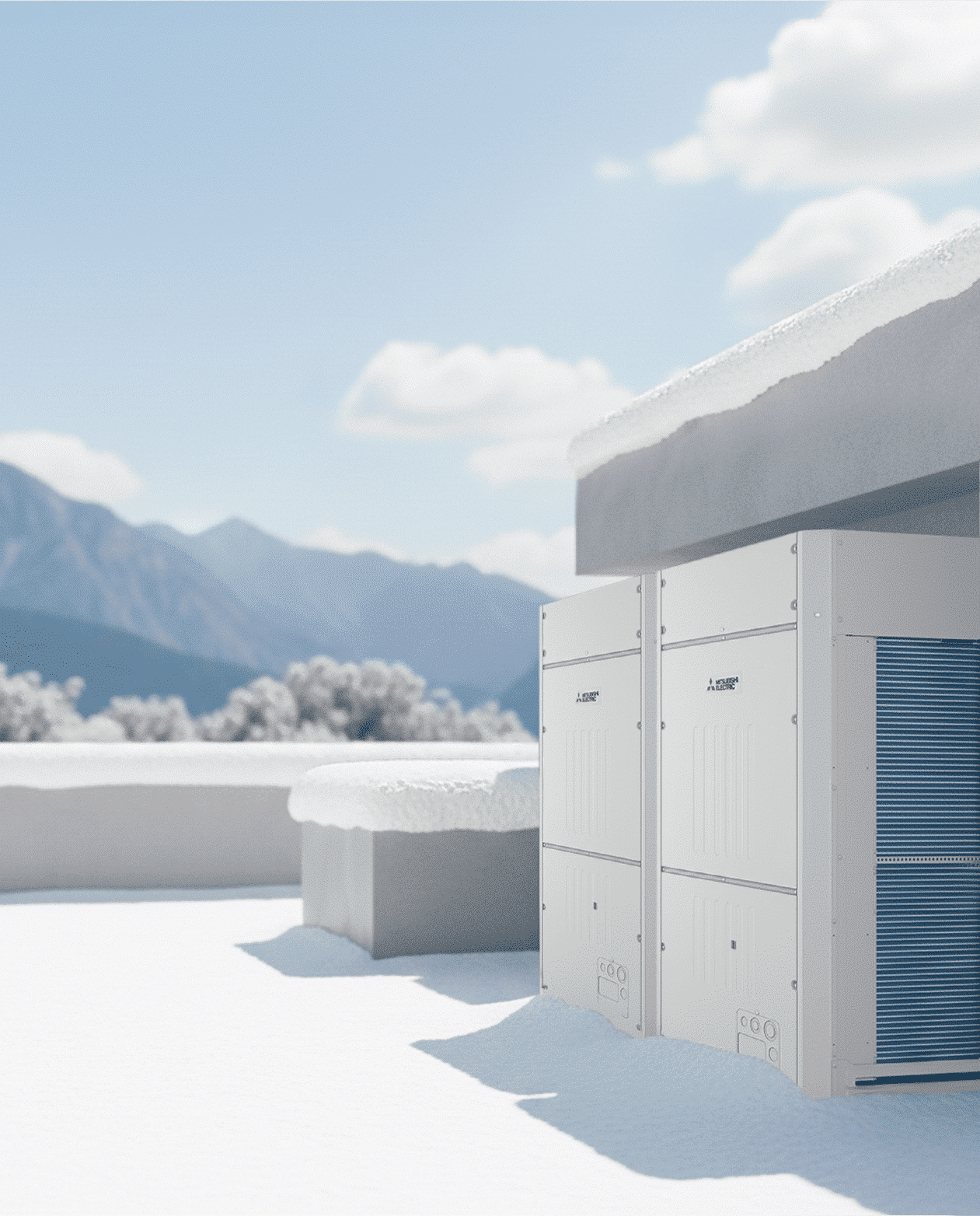
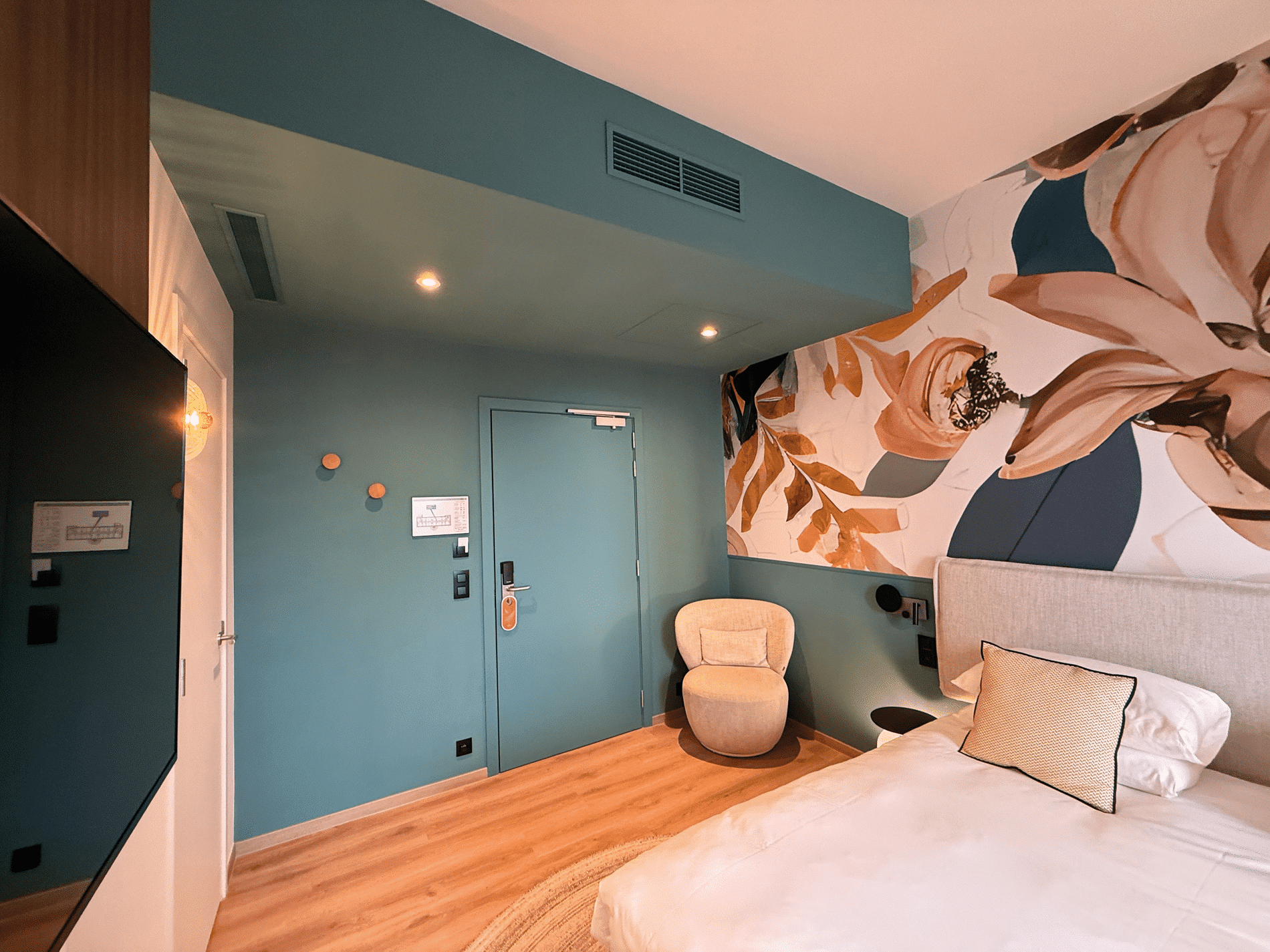
Whether it is the middle of summer or the depths of winter, guests expect a room where it is always pleasant to stay. Hotel operators also have to take into account stricter sustainability targets and changing regulations regarding refrigerants. “The challenge is to reconcile comfort, sustainability and practical feasibility,” says Bart Smulders, account manager at Mitsubishi Electric. With the new City Multi VRF YXM outdoor units, the company builds on hybrid VRF, a technology that has been around for more than ten years and is increasingly aligning with the challenges hotels face today.
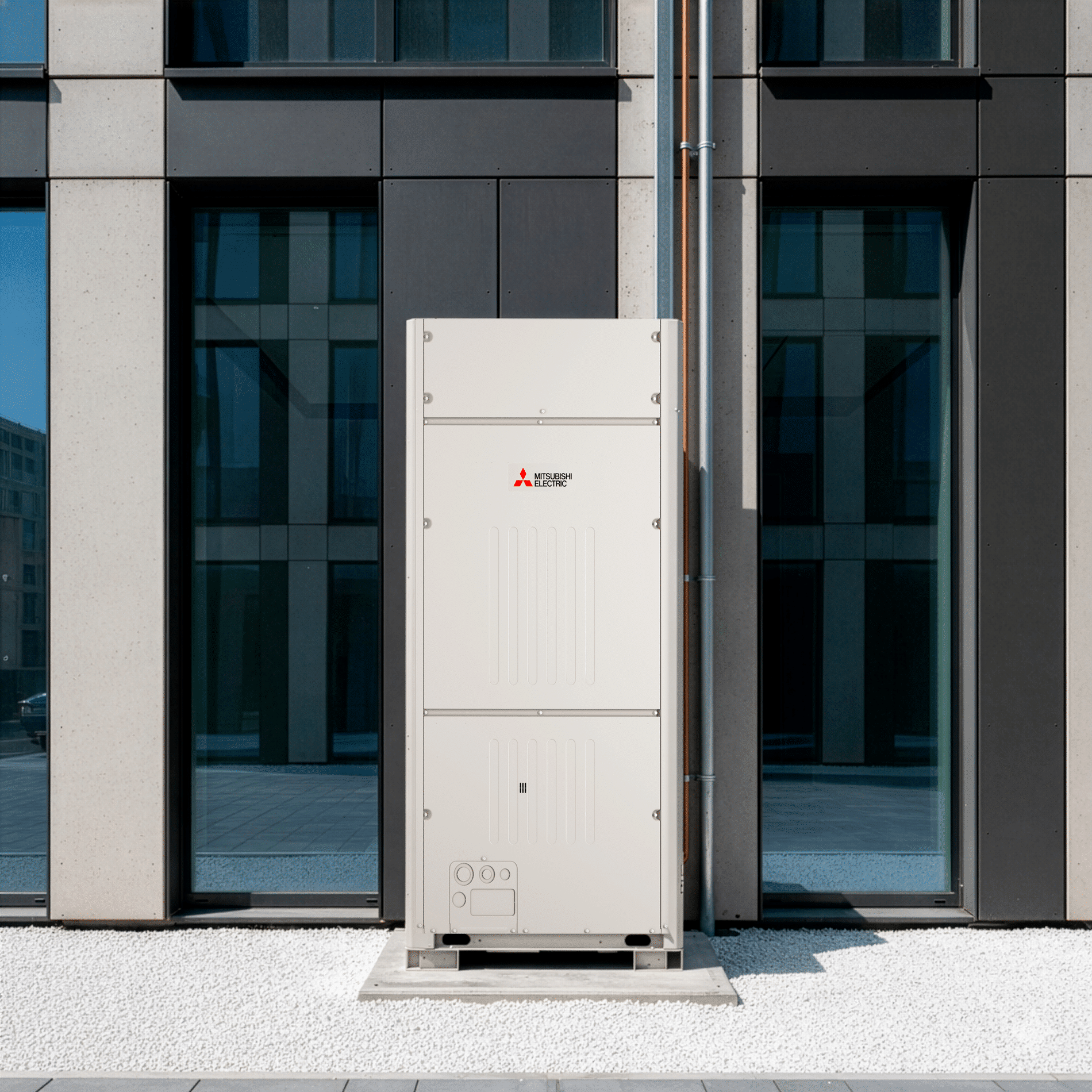
When guests step into their room, they do not think about refrigerants, pipework or installation standards. Above all, they want a pleasant temperature and a quiet room. One of the ways Mitsubishi Electric tackles this is through Hybrid VRF (Variable Refrigerant Flow). With this system, water rather than refrigerant circulates through the majority of the building. The central HBC box acts as the link to the water-based system, allowing each room to be heated or cooled individually.
“For hotel applications, this is an interesting principle,” says Bart Smulders of Mitsubishi Electric. “The amount of refrigerant in the building is significantly reduced, while user comfort remains undiminished. Moreover, guests find the mild discharge temperatures particularly pleasant.” Furthermore, each room can be heated or cooled individually. A major advantage for hotels, as not every guest finds the same temperature comfortable.
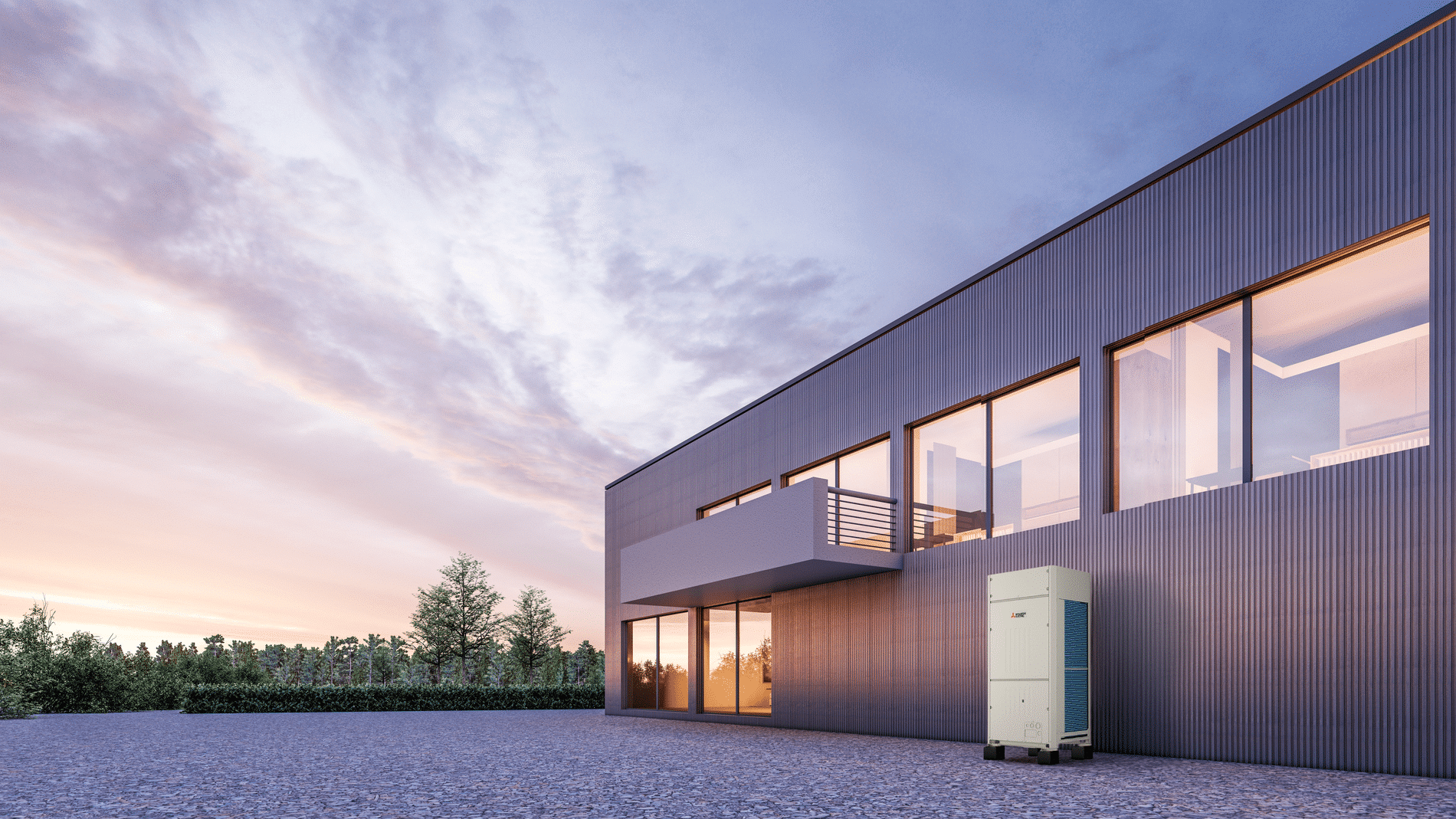
The discussion surrounding refrigerants is becoming increasingly prominent. European regulations are driving a further phase-out of refrigerants with a high environmental impact. As a result, property developers, investors and hotel operators are increasingly looking beyond the initial investment. With hybrid VRF, the refrigerant is restricted to the primary part of the installation. This reduces the total refrigerant volume and also makes buildings less dependent on future developments in that area.
“When we introduced hybrid VRF, the emphasis was primarily on comfort and safety,” says Smulders. “We are noticing that this same technology is also a perfect fit for the sustainability targets that hotels are increasingly working towards.” That does not only play a role in new hotel projects. Projects aiming for certifications, such as BREEAM, can also gain extra points thanks to this reduction in refrigerant usage.
Hotels are rarely built using a standard recipe. Renovations in particular often require bespoke solutions. Existing plant rooms, restricted risers and historic buildings regularly impose limitations on designers. The new City Multi VRF YXM outdoor units therefore offer two options. They can be deployed within a hybrid VRF setup, but also within a traditional DX system using R32. As a result, it can be determined on a project-by-project basis which approach is most suitable. Unlike many other water-borne systems, large buffer vessels are not required with hybrid VRF. This limits the required plant room space and simplifies the design.
Furthermore, Mitsubishi Electric has developed its own leak detection for the traditional VRF range, isolation valves, and a risk management tool. “With this, we support designers, installers, and property owners in complying with the EN378 standard. After all, we not only want to supply a device, but also help keep the entire design process transparent,” says Smulders. “With MELCloud Commercial, we also have an out-of-the-box solution to comply with the BACS standard for non-residential buildings. The platform provides insight into energy consumption and helps hotels to control their installation more efficiently. Integration with an overarching building management system is also possible.”
The new City Multi VRF YXM outdoor units continue to heat down to an outside temperature of -25°C and cool up to 52°C. But ultimately, for hotel operators, it is not about those figures. Above all, they want assurance of a comfortable stay for their guests and an installation that remains a sensible choice in the long term.
Neem dan rechtstreeks contact op met Mitsubishi Electric Belgium.
 Contact opnemen
Mitsubishi Electric takes care of the climate, both indoors and outdoors. We are a leading, international company with more than 95 years of experience and expertise. In Belgium, we have been operating for 25 years. We offer a wide range of quality heat pumps, air conditioning and ventilation systems. Our network consists of more than 1,000 approved installers, so you can [...]
Bekijk Bedrijfsprofiel