hotelvak.be
EN

Platform on hotel management, interior design and design in Flanders

Sooner or later, every hotelier faces the same dilemma: what weighs more heavily, security or hospitality? Should a hotel increase controls, erect more barriers, and limit risks? Or should the guest experience remain seamless, without friction and without visible barriers? In reality, this is a false dichotomy. A hotel cannot cut corners on security. Not on physical security, and certainly not on digital security.
This was painfully highlighted again recently by hacks that resulted in personal data being stolen from a number of hotels in the Netherlands and Belgium. Hotels manage sensitive information: reservation details, payment dates, identification details, preferences, and in some cases, access to rooms and building zones. Guests entrust this data to the hotel. As an industry, we cannot afford to handle this lightly. Security is not an afterthought, but a fundamental condition for trust. At the same time, security should not stifle the guest experience. Guests do not want the feeling of checkpoints, complicated procedures, or digital obstacles. They want to arrive, be welcomed, and know that everything is in order. The room opens, the lift takes guests to the correct floor, personal data is protected, and unauthorised individuals do not enter areas where they have no business. Good security works in the background. That is precisely when security becomes part of hospitality.
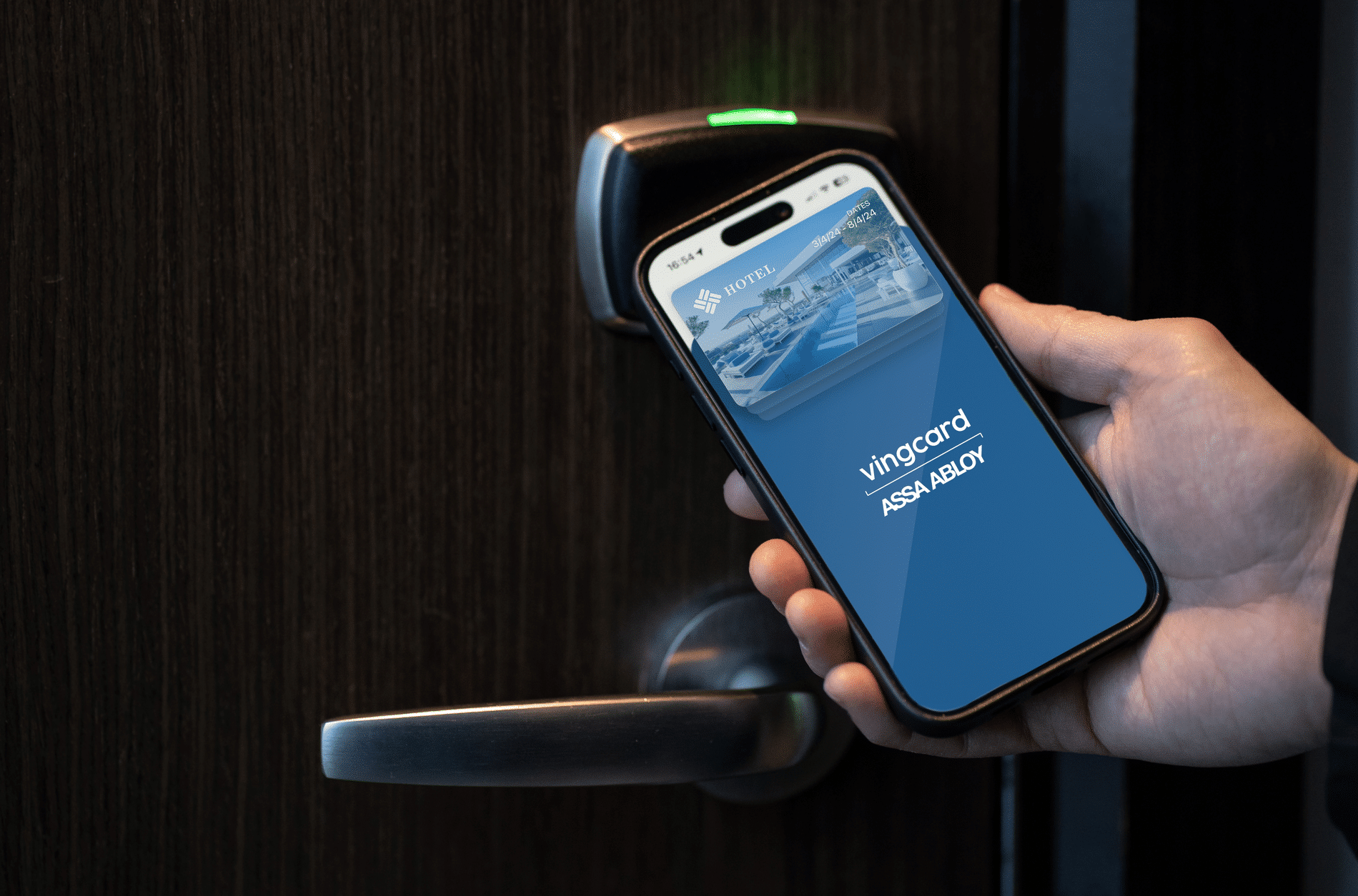
Anyone who talks to Jeroen Coesmans, Managing Director of Vingcard, about hotel technology quickly notices that the conversation isn't just about the lock on the room door. Vingcard, part of ASSA ABLOY, made a name for itself with card locks and digital access control. But in modern hotel operations, access is only one link in a much larger chain. Security, guest experience, energy consumption, linen flows, staff workload, room comfort, and data are becoming increasingly intertwined. Coesmans therefore looks at how a hotel functions. Where do queues form? Where do employees lose time? Which processes are still manual, prone to error, or reliant on workarounds? And most importantly: how do you prevent technology from becoming an extra layer on top of operations, rather than a tool that brings calm and control?
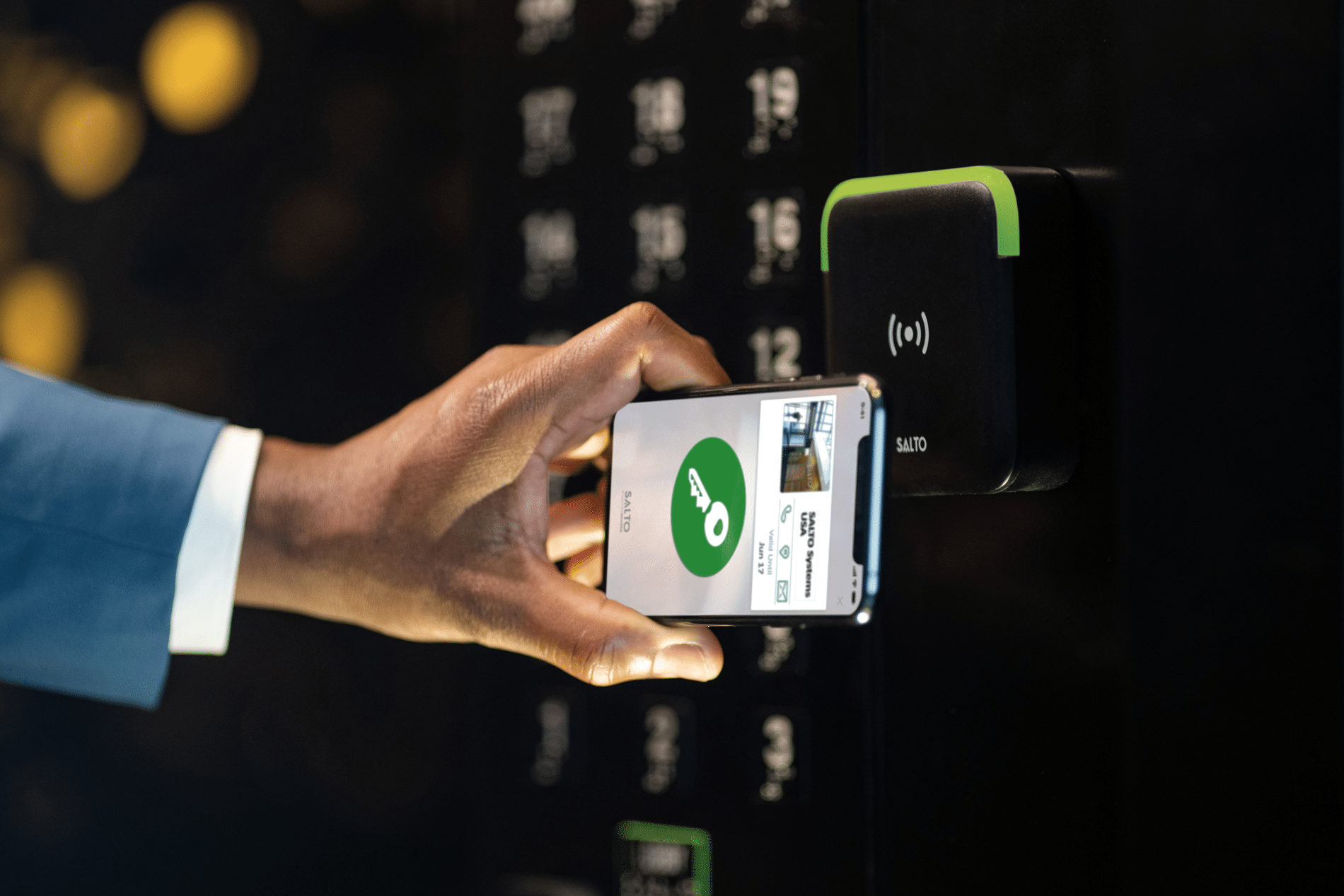
According to Coesmans, digital access control is now “as important as a good reception”. That statement says a lot about the direction hotels are moving in. The reception remains relevant, but its traditional dependency is decreasing. Not every guest wants the same contact moment. One person wants to get to their room quickly, another seeks advice, service or help with an unusual booking. A modern hotel must be able to accommodate these differences without making the process more burdensome. Technology does not have to be impersonal in this regard. On the contrary, states Coesmans. Digital keys, kiosks and mobile access can reduce waiting times and actually give staff more time for moments when personal contact truly adds value. The front desk is thus changing from a fixed control point to a more flexible service point. Some hotels already work with hosts, tablets, self-service and a smaller counter for exceptions. This requires a sharp choice: which actions add value for the guest, and which are primarily internally necessary?
The perception of safety also plays a subtle role. Coesmans cites the example of guests leaving the television on when they leave the room, to give the impression that someone is present. This is not professional security, but the signal is clear: security also lives in the guest's mind. Anyone who only looks at locks and systems misses this psychological aspect.
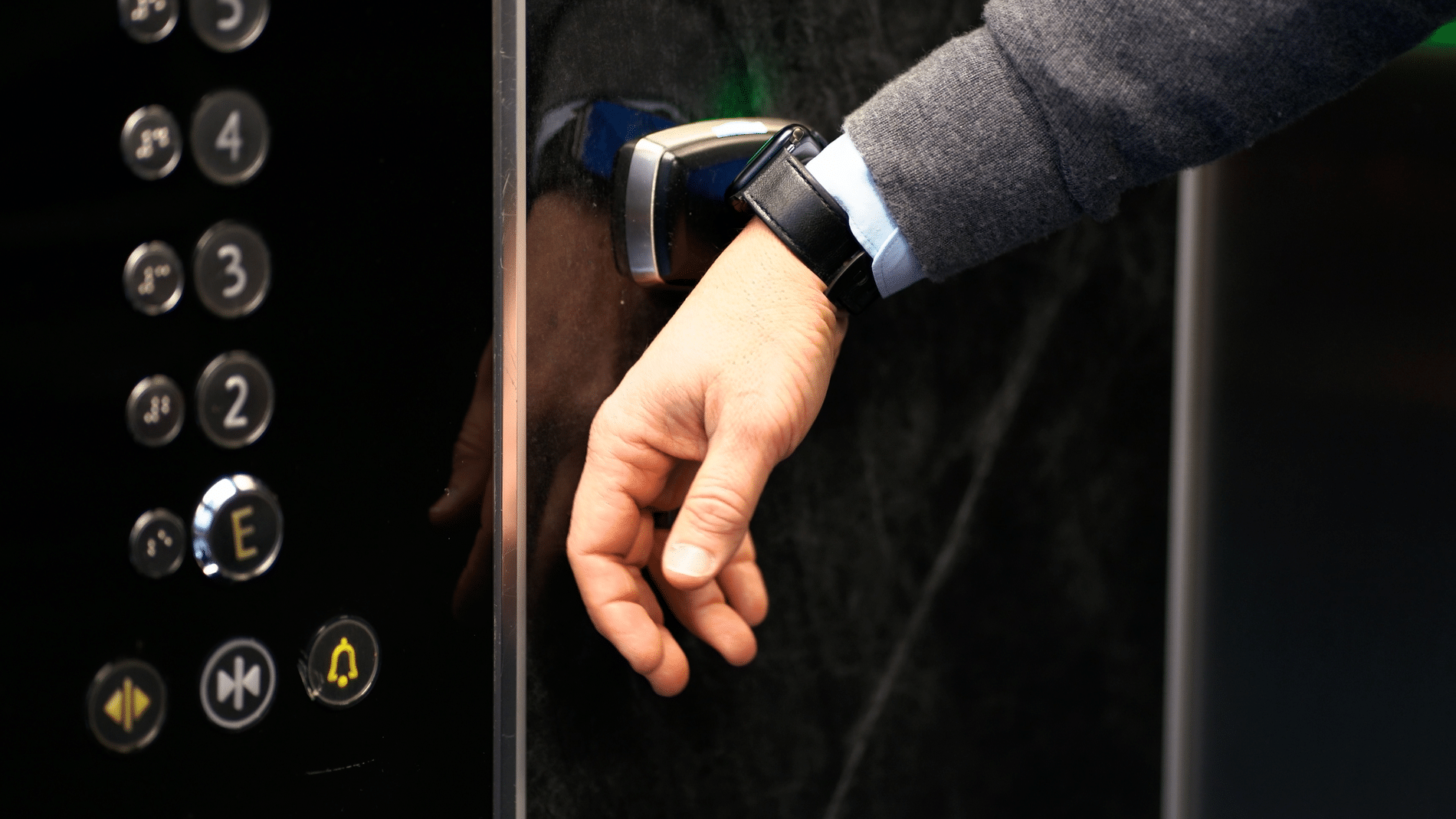
The most interesting developments may be behind the bedroom door. Vingcard is often associated with access control, but the technological hotel environment has broadened: linen management, energy management, guestroom management, Wi-Fi, asset tracking and staff safety. It is precisely here that control is gained over costs that have long remained invisible. Linen management is a concrete example. In many hotels, manual counts are still made daily of what goes to the laundry and what comes back: towels, napkins, sheets and duvet covers, often mixed together on trolleys. This work takes time and is prone to errors. With tagged linen and scanning solutions, this process changes. A linen trolley is scanned in one go, providing immediate insight into quantities, stock, losses, wash cycles and replacement times. The profit therefore lies not only in less counting work, but especially in more reliable data.
Energy management also shows how small routines can have significant financial consequences. The classic card reader on the wall was a practical solution for years to save electricity when a guest leaves the room. In practice, such a system is often bypassed. Sensors can solve this more cleverly by detecting presence, reacting to an open window, and switching off.

This is where the core of successful hotel technology lies. It must make operations slicker without creating extra work for the guest. Therefore, the future of the hotel room isn't necessarily in spectacular visible innovation. A good bed, pleasant lighting, reliable access, and simple operation remain more important than technical bravura. The real change lies in the intelligence behind the room: systems that work together, take care of staff, and reduce waste. For hoteliers, the challenge therefore isn't blind digitisation, but to look precisely at where operations are leaking. Where is time disappearing? Where are mistakes occurring? Which costs remain insufficiently visible? And which processes make staff's work unnecessarily difficult?
Safety and hospitality therefore prove not to be opposites. A hotel that organises access, room comfort, energy and operational data effectively creates less noise for the guest and more control for the team. Technology is not a calling card in itself. It only proves its value when the guest moves more smoothly, employees perform fewer unnecessary actions, and the hotelier better sees where margin, time, and quality are lost.