hotelvak.be
EN

Platform on hotel management, interior design and design in Flanders

What began as a journey of curiosity grew for Inge De Lathauwer into a project with lasting impact. On the Indonesian island of Sumba, she built a hospitality school, eco-resort, and permaculture campus that has since given nearly six hundred young people a future.
Her story is about much more than tourism alone. It's about education, sustainability, dignity, and how hospitality can also be a lever for social change.
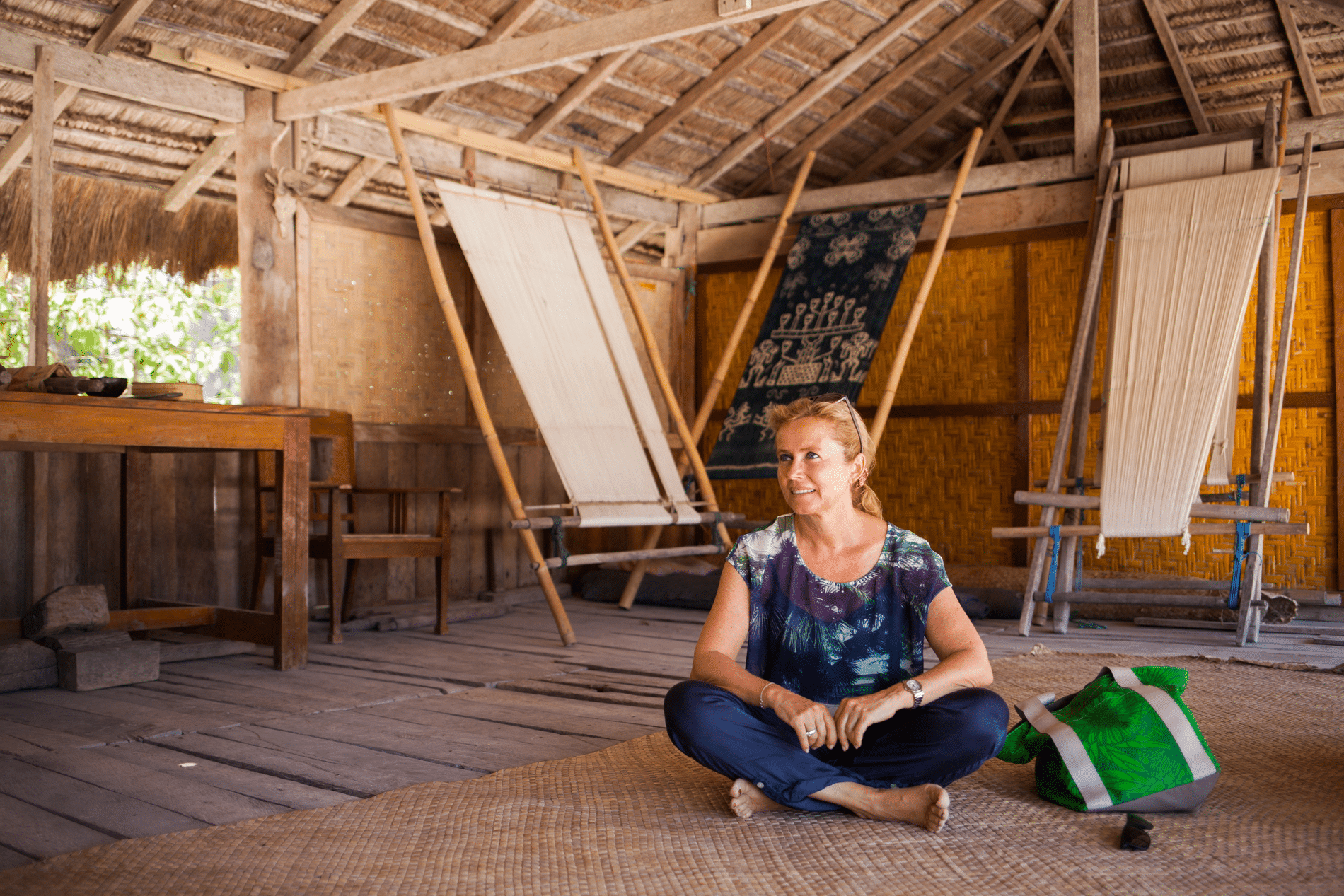
When Inge De Lathauwer first travelled to Sumba in 2013, she did so as a tourist. She already knew Indonesia well, having visited Bali and Java, but she knew very little about Sumba. It was precisely this unknown that attracted her. What she found there stayed with her. Sumba turned out to be an island of great beauty, with impressive landscapes, a strong culture, and an almost timeless aura. But at the same time, she saw extreme poverty there that deeply affected her. Not the poverty that you sometimes glimpse fleetingly by the roadside as a traveller, but a structural reality of malnutrition, poor hygiene, lack of infrastructure, and hardly any prospects.
Through contacts with local water projects, she also gained access to villages and communities that remain hidden to most visitors. There she saw how truly vulnerable the living conditions were. At the same time, she felt that Sumba was at a tipping point. Foreign investors and land speculators had discovered the island. Tourism was on the rise, or soon would be. And it was precisely in this that De Lathauwer saw both an opportunity and a danger. “I thought: tourism is going to come here anyway. The only question is: who is actually going to benefit from it?”
De Lathauwer had a background in hotel management and had long harboured the ambition to eventually set up a social project. On Sumba, everything fell into place. She saw what could go wrong when tourism develops without local roots. She had seen Bali change over the past decades, and not just in a positive way. Mass tourism had brought not only economic growth there, but also tensions, alienation, and loss of balance. She did not want to see that scenario simply repeated on Sumba.
Yet her starting point was remarkably grounded. She was well aware of what she couldn't do. She couldn't stop speculation, she couldn't rewrite the island as an outsider, and she certainly didn't want to act as the Western know-it-all who would just tell them how it should be done. What she could do was prepare local young people for what was to come. So that they wouldn't be condemned to low-paid jobs on the fringes of the sector, but could build careers in hospitality themselves. So that they could help build the future of their island. That became the core of the Sumba Hospitality Foundation.
“Education is empowerment. What you give people in terms of skills and knowledge, nobody can take away from them.”
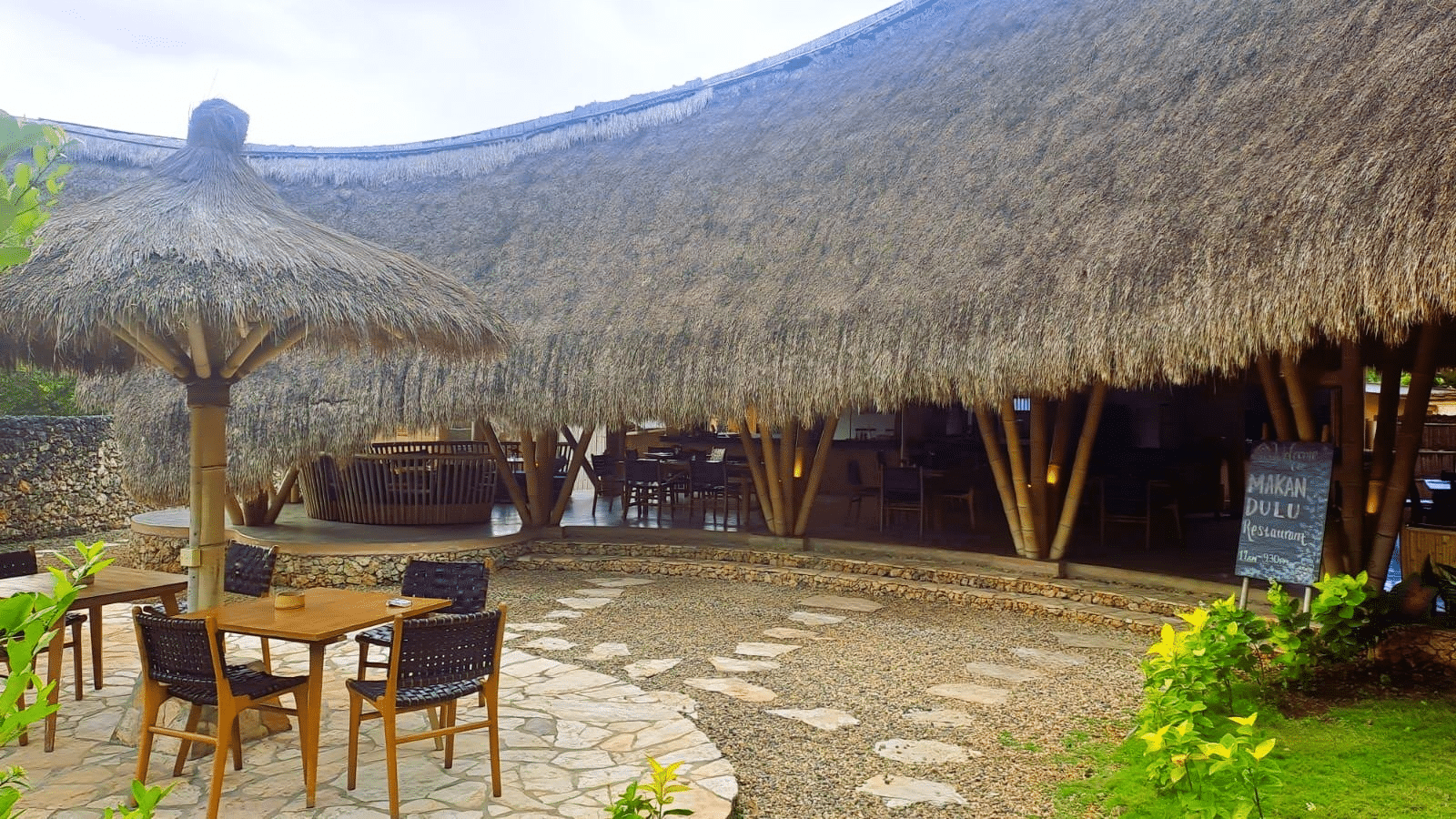
The school that De Lathauwer founded was deliberately conceived as much more than a classic hospitality training course. Naturally, students learn to cook, serve, housekeep, work the front office, and all the other fundamental competencies of the profession. But the curriculum reaches much further. Students also learn what tourism means for a community. They gain insight into sustainability, the impact of development, and the question of what kind of tourism is desirable for their island. So, not just vocational training, but also awareness-raising.
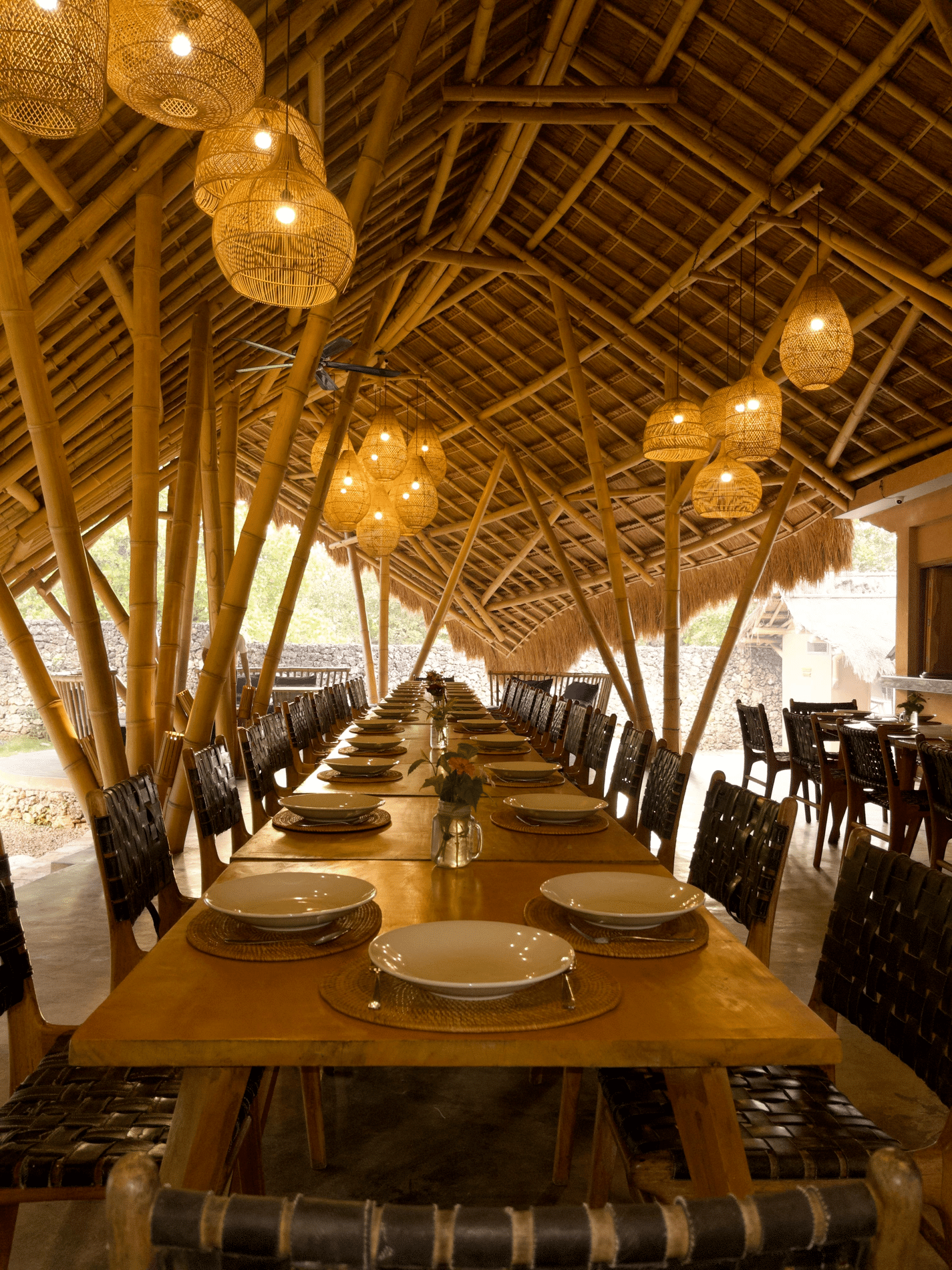
This vision can also be felt on campus itself. Everything was built as much as possible with local materials such as stone and bamboo. When De Lathauwer bought the site, there was no running water or electricity. Self-sufficiency was therefore not a marketing choice, but a necessity. The campus currently runs on 288 solar panels, 2 boreholes and water filtration and reuse. This makes the project a living example for the sector. Not the superficial form of sustainability that stops at a sign about reusing towels, but a model in which sustainability has been incorporated into the design from the very foundation.
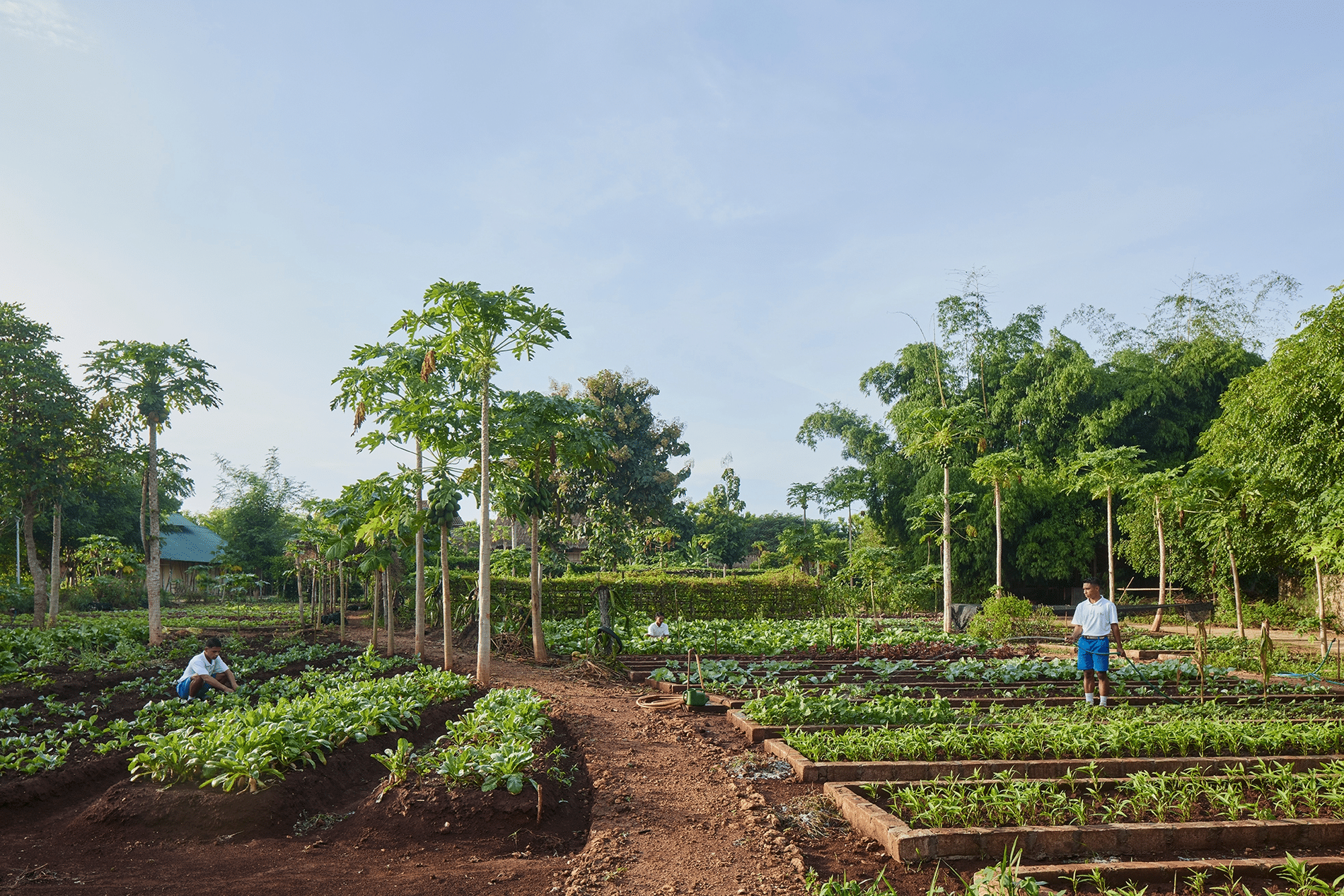
One of the most striking aspects of the project is the role of permaculture. The poor soil on Sumba makes food production difficult, while malnutrition is a persistent problem on the island. Therefore, De Lathauwer decided early on that agriculture also had to be part of the story. What started with two hectares of permaculture grew to four hectares of food production on an eight-hectare campus. Here, students learn to compost, cultivate without chemicals, and consider healthy nutrition as a basic prerequisite for development.
That's no detail. For De Lathauwer, everything is interconnected: those who don't eat well, can't learn well, can't work well, and can't progress sustainably. The yield is considerable today. The campus produces about a tonne of fruit and vegetables per month. With this, the project not only feeds the students and guests but also shows that even in difficult circumstances, more is possible than many people think.
“It's not just a hotel school. We also want to teach young people what tourism means, how sustainability works, and how they can pass that knowledge on at home.”

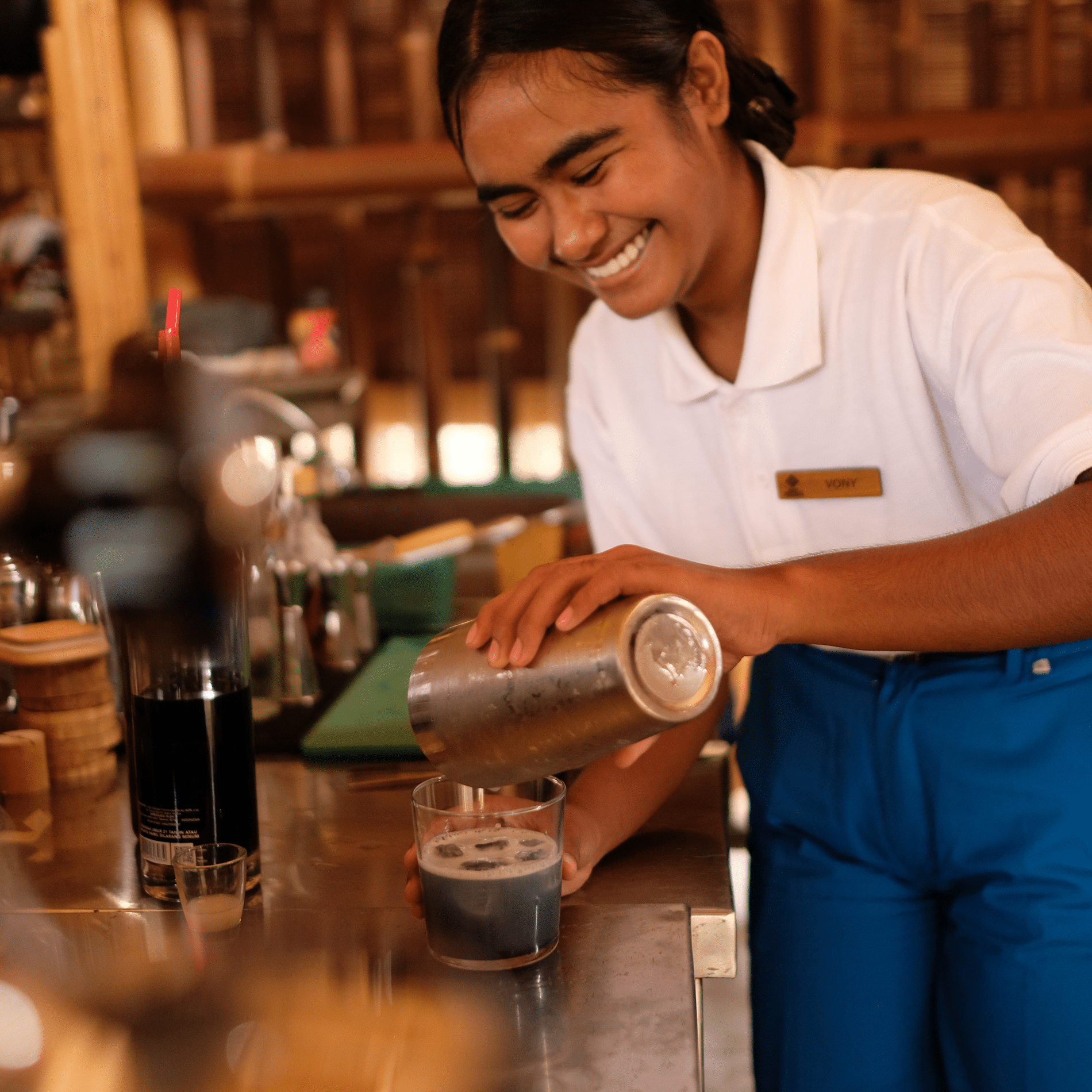
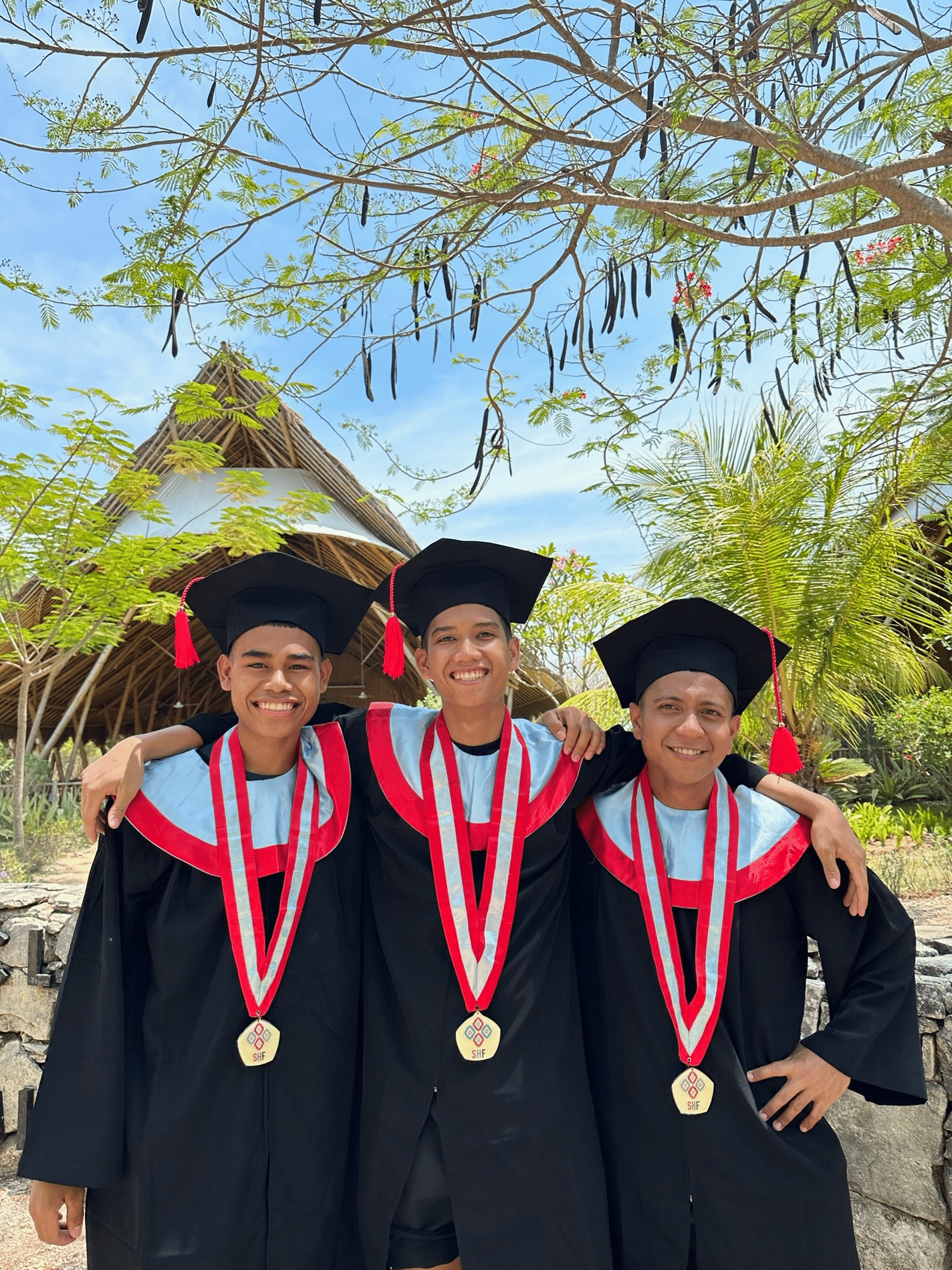
The figures are impressive. Meanwhile, almost six hundred young people have already graduated. According to De Lathauwer, 98 percent of them find good jobs, either on Sumba itself, elsewhere in Indonesia or internationally, from Bali to Dubai, from the Maldives to cruise ships. This is all the more remarkable because many students literally start from scratch. When they arrive on campus, some have never slept in a bed, never used a shower, and don't speak a word of English. The course is therefore particularly intensive: students live on campus and attend classes six days a week, from morning to evening, for a year.
The first two months are all about basic training. After that, students will also get hands-on experience at the eco-resort on campus, where real guests stay. This way, they learn hospitality not from a textbook, but in daily practice. This combination of training and experience proves to be a huge advantage. It's no coincidence that internship partners like Hyatt, Kempinski, and Ritz-Carlton collaborate with the school. De Lathauwer visited these hotels herself to check how they handle staff and training. The sector's verdict is clear: technical perfection can be developed, but motivation and attitude are much harder to learn. And it is precisely here that Sumba's students make the difference.
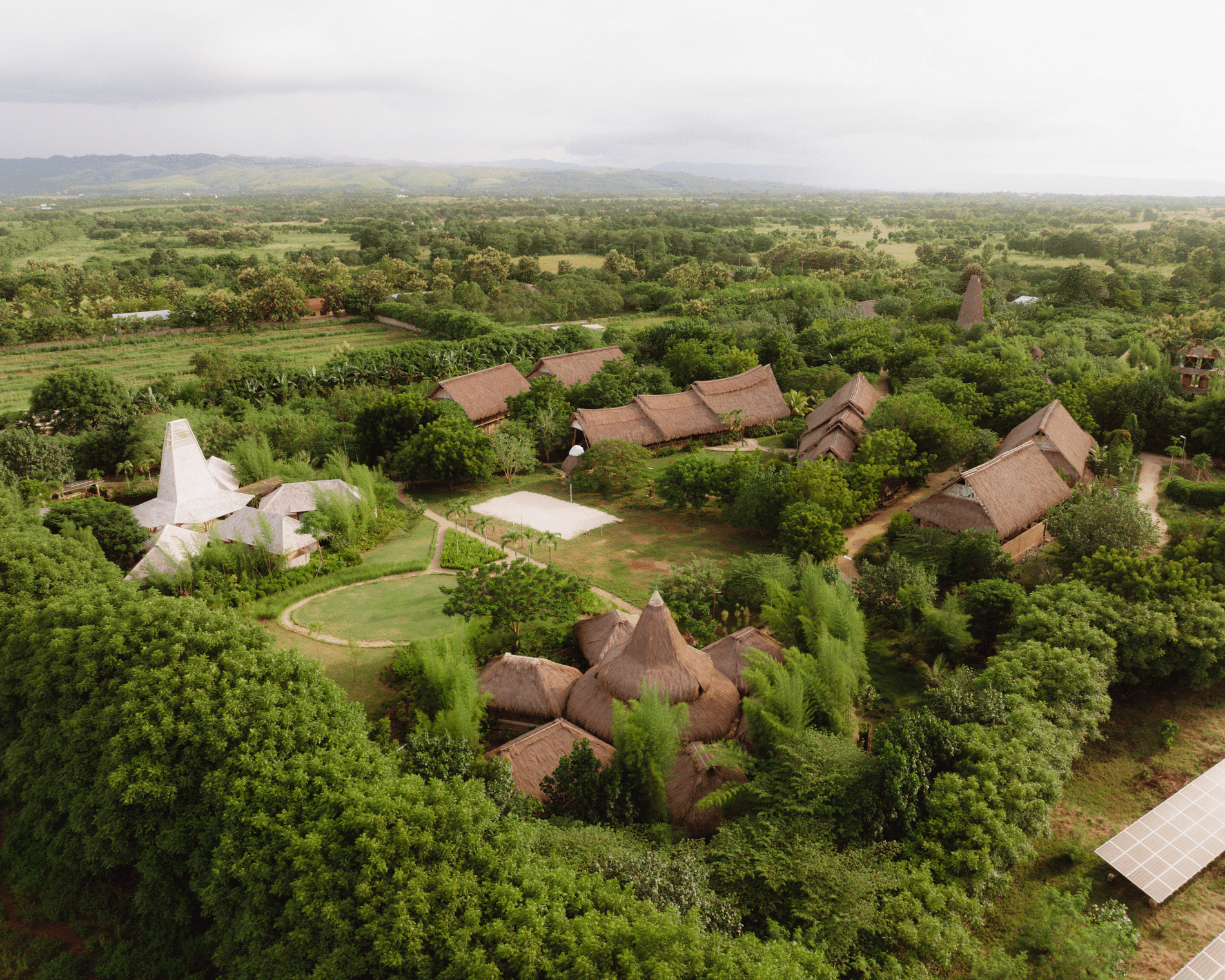
Annually, between six hundred and eight hundred candidates apply for approximately seventy places. Selection is therefore unavoidable. First, the team travels around the island to promote the school, via schools, local authorities, churches, and social media. In the early years, De Lathauwer did this herself, along with a local partner. She calls this local partnership crucial. Without knowledge of the culture, sensitivities, and realities on the ground, such a project cannot work sustainably, according to her.
Following a written test, personal interviews will take place. It's not just academic knowledge that counts, but also motivation, resilience, and a willingness to work hard. De Lathauwer isn't so much looking for perfect profiles, but for young people who dare to believe that another life is possible.
“Poverty is a situation, not who you are.” That statement perhaps best sums up her approach. She doesn't look at lack, but at potential.
When asked what she would do differently with her experience if she were to open a hotel in Belgium tomorrow, De Lathauwer answers cautiously but tellingly. Sustainability would be an absolute prerequisite for her, but she considers inclusivity to be just as important. She would attract and train talent from young people with fewer opportunities. Perhaps she would even prefer to set up an academy rather than a hotel. According to her, practice-oriented education is still too often underestimated, while this is precisely where much potential lies in Europe.
Furthermore, she makes a striking observation about the profession itself. Service, she says, has become an almost problematic concept in Europe, whereas hospitality is essentially about wanting to give people a great experience. That is perhaps the most fundamental lesson from her story: that hospitality does not begin with luxury, but with attitude.
Inge De Lathauwer's story is remarkable, but also relevant to everyone in the sector. Because it shows what hospitality can be when it looks beyond occupancy, revenue, and service processes. On Sumba, the profession is used as a lever for education, food security, dignity, and economic independence.
What she built there isn't a classic development project or an average hotel school. It's an ecosystem where training, sustainability, and entrepreneurship mutually reinforce one another. And perhaps that's why her story resonates so strongly. Because it reminds the sector of something that, at times, risks being lost: at its core, hospitality is still about people.