



Bed bugs in your hotel: protect your guests and your reputation
Text and images Rentokil
As travellers cross the globe, a persistent stowaway can also go unnoticed in their luggage: the bed bug. For the hotel sector, a bed bug infestation poses an immediate operational and financial risk. One negative review about bed bugs can cause significant reputational damage and lost revenue. A considered, professional approach is therefore essential for hoteliers.
“The high volume of international travel means bed bugs spread at lightning speed,” explains Ben Ghyselinck, head of Rentokil Pest Control Belux. “Because they hide so well and often go undetected for a long time, an infestation can quickly spread to adjoining rooms. Early detection and professional support are crucial.”
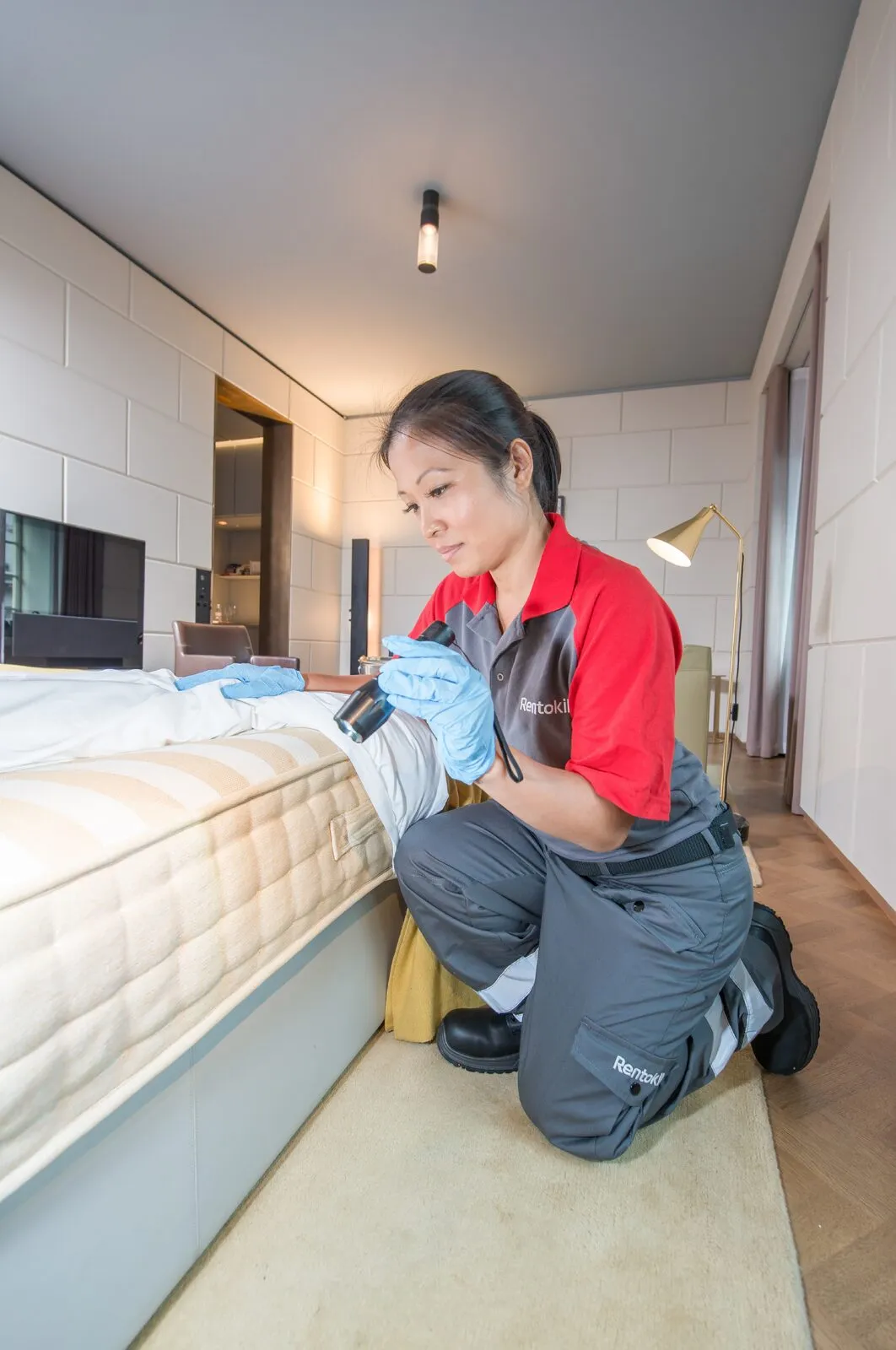
Prevention starts with housekeeping
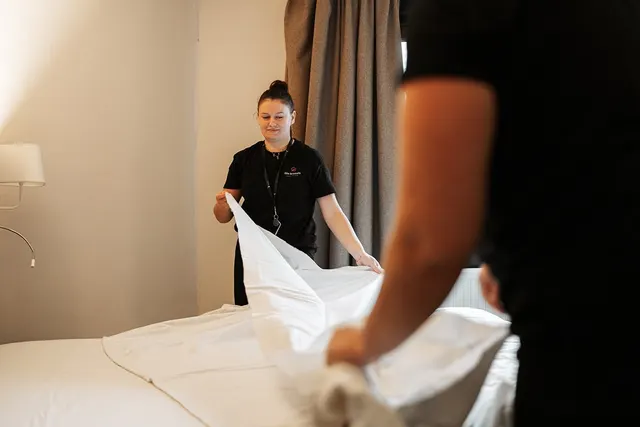
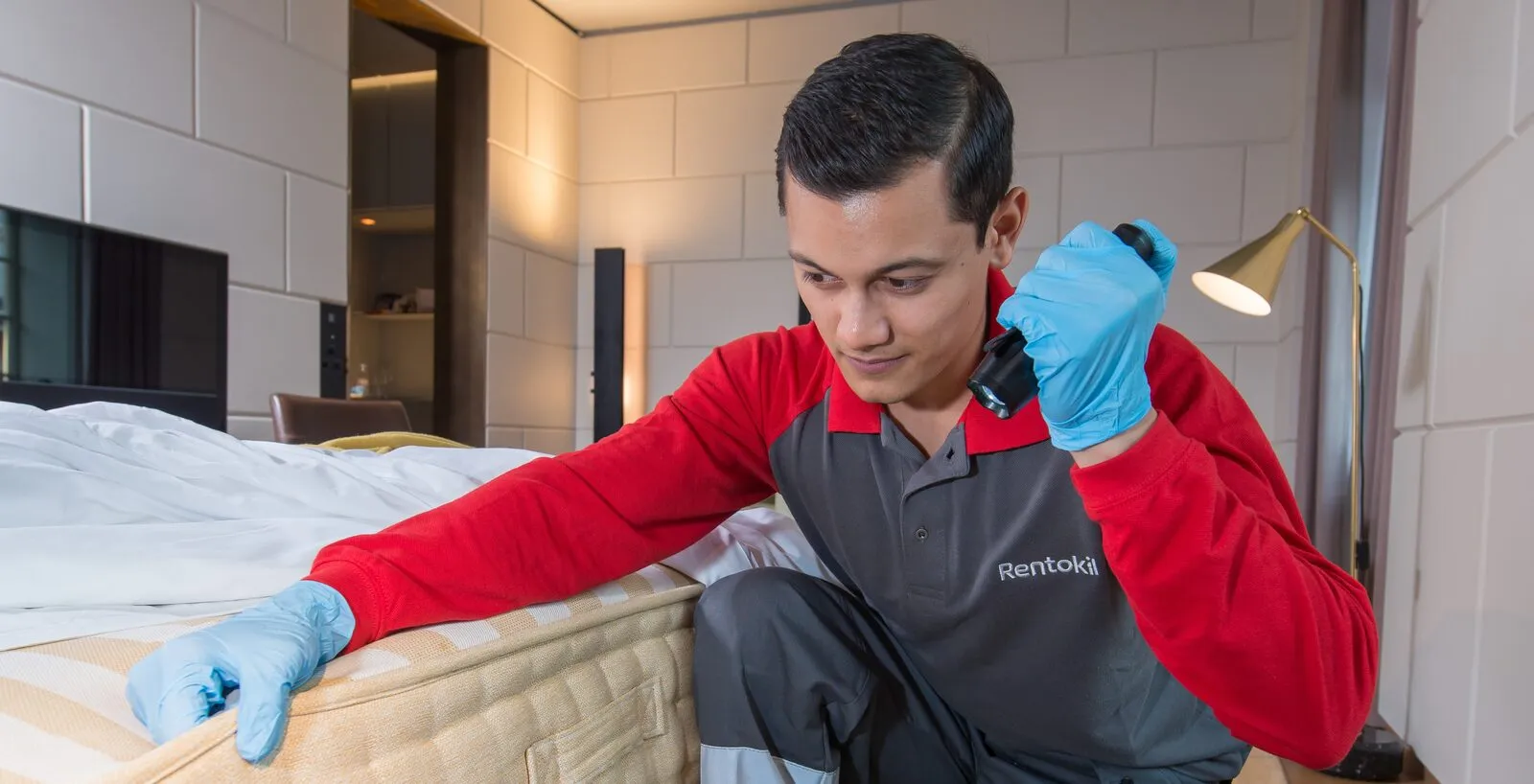
The housekeeping team is a hotel’s first line of defence. Rentokil therefore supports hoteliers with practical guidance and training to help staff recognise the first signs of bed bugs, such as dark spots and shed skins. If bed bugs are suspected, canine detection can help. Trained detection dogs and their handlers quickly and discreetly locate the source of the infestation, with minimal disruption to hotel operations.

Heat treatment: an insecticide-free solution
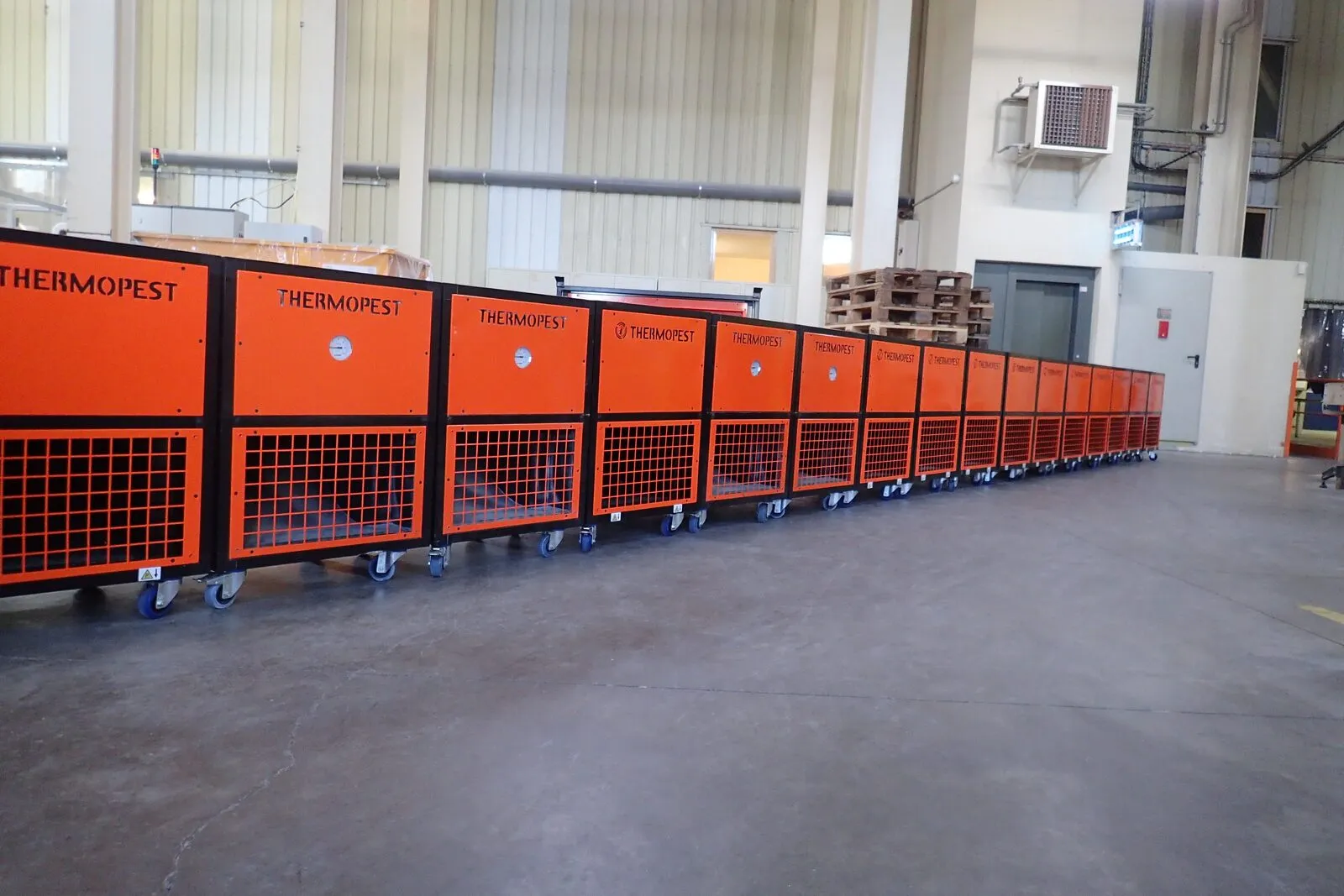
When bed bugs are confirmed, swift action is essential. The affected rooms must be temporarily taken out of service for thorough treatment. Rentokil is working worldwide to replace chemical pest control with insecticide-free methods. Heat treatment is an effective solution for sensitive environments such as hotels. The affected space is carefully heated to a temperature of between 56 and 60 degrees Celsius. The heat causes thermal stress, damages the insects’ protein structures and dehydrates them. “Heat treatment is particularly well suited to the hotel sector,” Ghyselinck explains. “The dry heat penetrates deep into cracks, crevices and furniture. As bed bugs are eliminated at every stage of their life cycle, including the eggs, one treatment is usually sufficient. They also do not develop resistance to heat.”
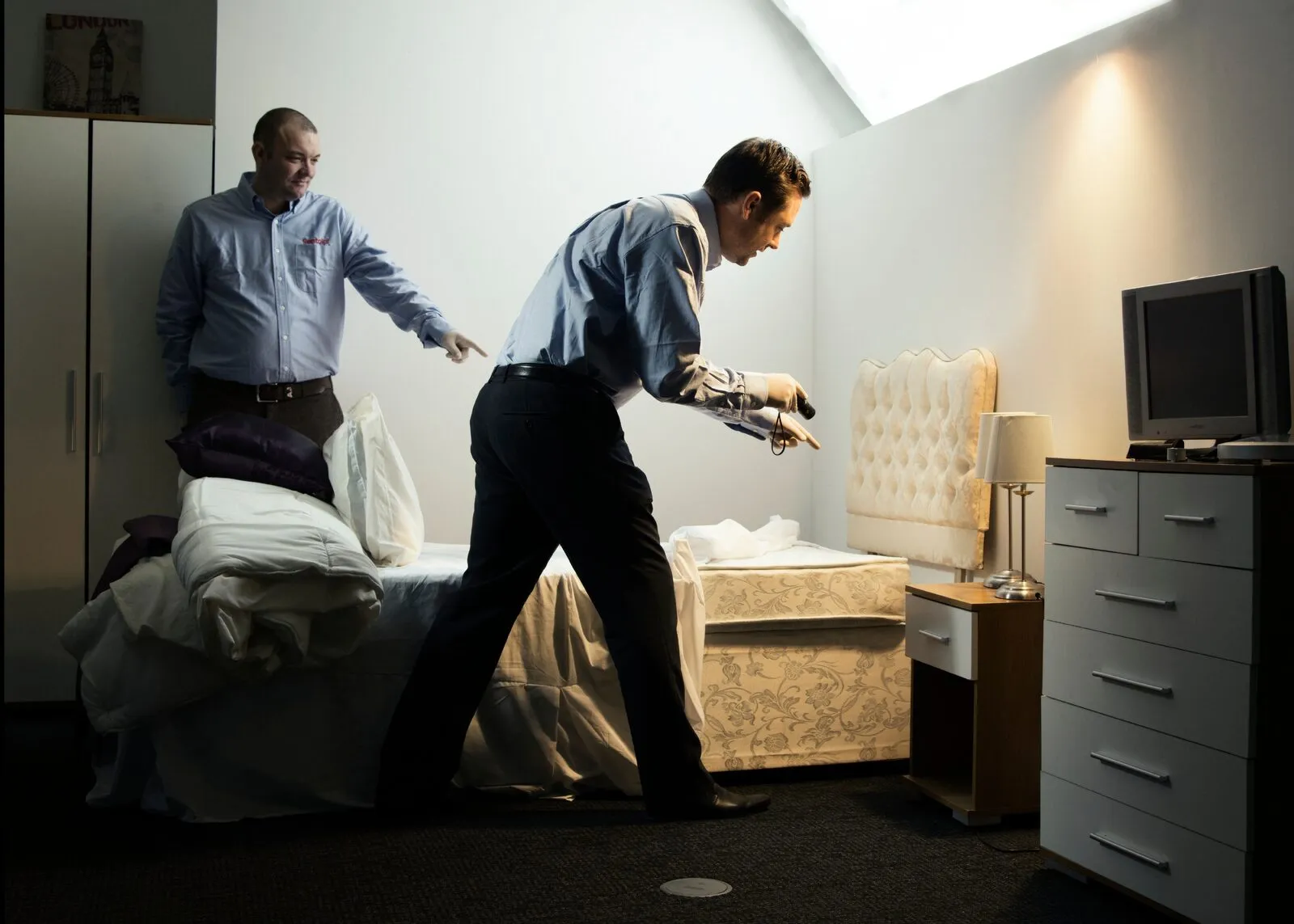
Rooms back in service quickly
A key advantage for hoteliers is that heat treatment uses no pesticides. No chemical residues or unpleasant odours are left on mattresses or furniture. Strategically placed sensors monitor the temperature throughout the process to prevent overheating and damage to the building and its furnishings. After a brief cooling period, the treated rooms can safely be put back into use. This quick turnaround helps hotels minimise the time rooms are unavailable for bookings. Detailed treatment reports also provide a documented record of the intervention.
Question about this story? Ask your question
Keep following this
Get an email when a new story is published. No account needed.
- SubjectHousekeeping