



A good night's sleep is not an extra
Text Christobal van Leeuwen Beeld Stockfoto's
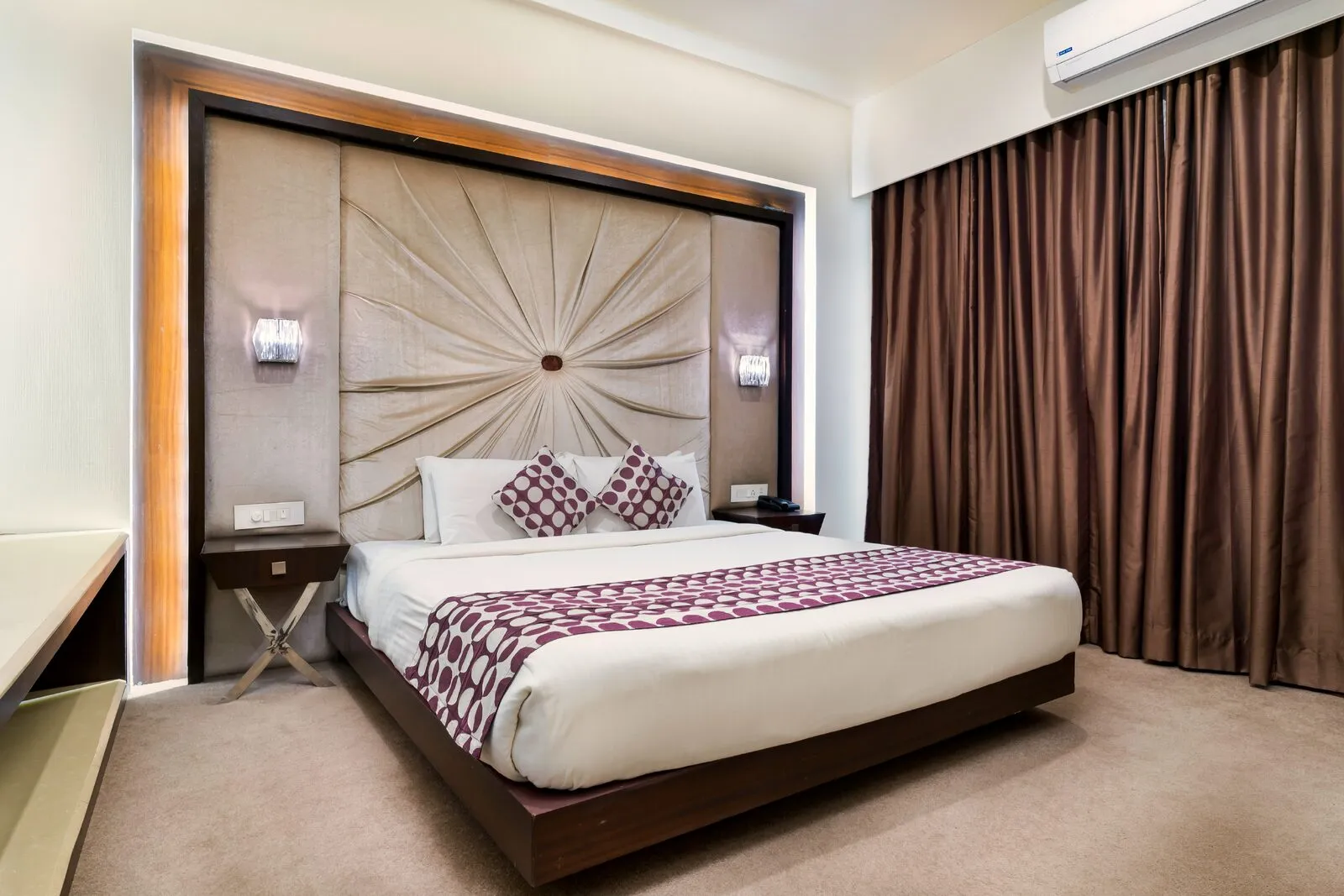
A guest may appreciate a strong breakfast, a fine bathroom and attentive service, but one bad night often lingers longer. That is precisely why sleep comfort is once again getting more attention in hotels. And not only in the luxury segment: for business and budget hotels too, the bed is one of the most intensively reviewed elements of the room.
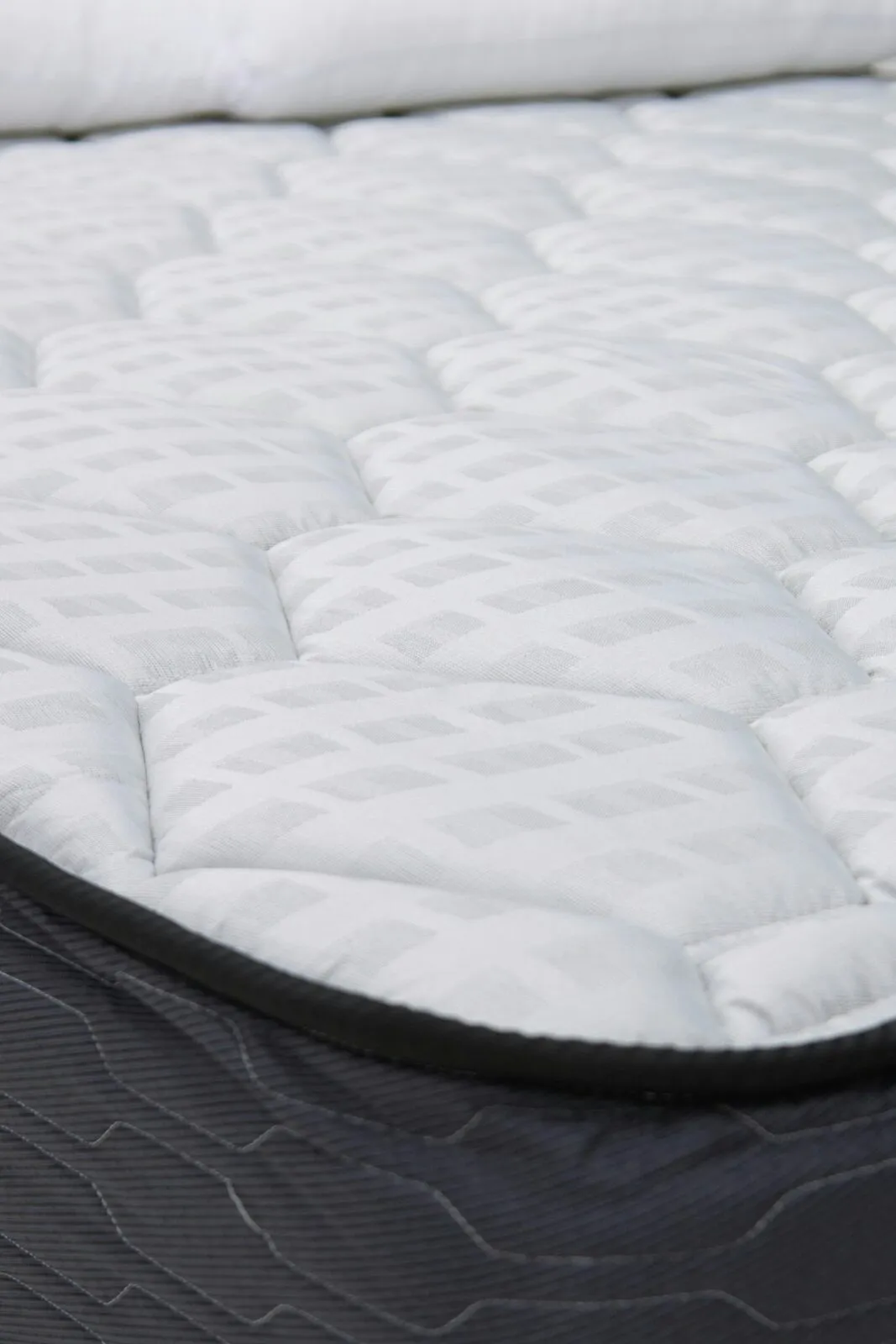
The mattress is central here, but the best choice is rarely simply the softest, the thickest or the most expensive. When choosing a hotel mattress, hoteliers run into a fundamental problem: every guest is different. Weight, build, sleeping position and personal preference all help determine what feels comfortable. An extremely firm or soft mattress can therefore quickly prove polarising. For hotels, the solution usually lies in a broadly suitable comfort level, with sufficient support and pressure distribution. Edge stability matters too. Guests often sit on the edge of the bed, while housekeeping also puts pressure on zones when making the bed that are less intensively loaded at home.
Then there is motion isolation. Particularly with double beds, a mattress that transmits movement strongly can disturb the second sleeper's rest. Comfort is therefore not only a matter of how the bed feels when you lie down, but also of what happens during the night.

Temperature becomes part of comfort
Thermal comfort is also receiving more attention. Foams, springs, textiles and toppers influence how heat and moisture are carried away from the body. This is relevant because a hotel room is used by very different guests, and room temperature alone cannot absorb all the differences.
Hotels are therefore increasingly looking at the complete bed system: mattress, base, topper, mattress protector, duvet, pillow and bed linen. An expensive mattress can lose its effect if other layers retain heat or if the base provides insufficient support. Conversely, a well-thought-out system with replaceable components can extend service life and keep comfort consistent for longer.
Look at use, not just purchase price
A hotel mattress leads a different life from a mattress at home. Occupancy is high, users change constantly, and cleaning, changing and moving place extra strain on it. The relevant question for the hotelier is therefore not just how much a mattress costs, but how many comfortable overnight stays it can deliver over its lifetime. That makes properties such as shape retention, ease of maintenance, replaceability of components and a removable or well-protected cover particularly relevant. Weight also plays a part: a very heavy mattress can place a daily ergonomic burden on housekeeping. A practical approach is to test new mattresses first in a limited number of rooms. Guests are not the only ones who can give feedback. Housekeeping quickly sees whether a model is difficult to handle, how the edges respond and whether protective layers and linen stay in place.
Circularity takes a seat at the table
Alongside comfort and operations, provenance and end of life are also becoming more important. Manufacturers are developing mattresses that are easier to take apart and whose materials can be better recovered. The European criteria for more sustainable mattresses also explicitly address service life, limiting harmful substances and design for disassembly and material recovery. For hoteliers, this is not a purely ecological story. A supplier that arranges take-back, replacement of individual components or high-quality recycling can also make total cost and waste streams easier to manage.
The mattress as part of the hotel's promise
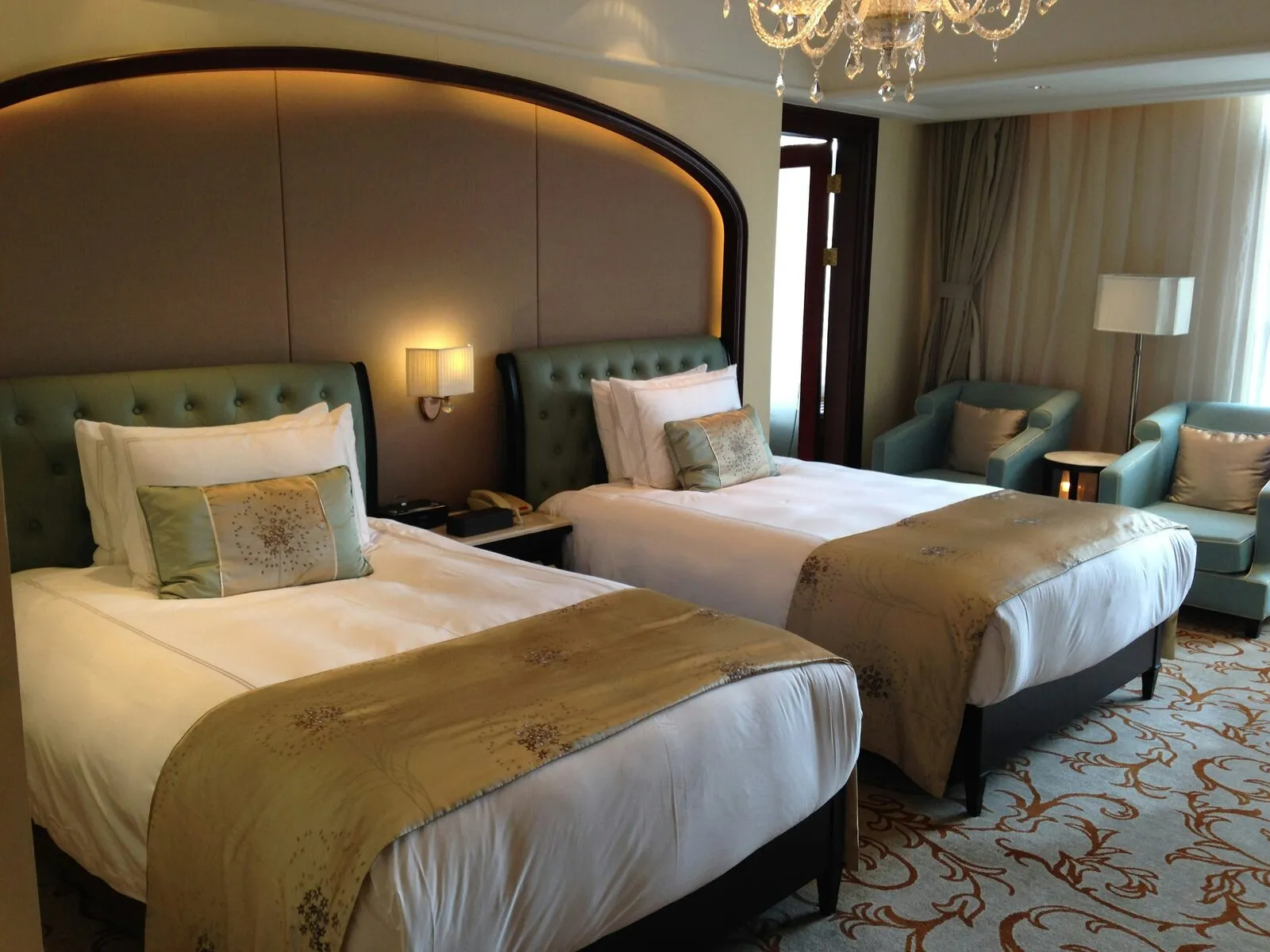
The most important shift may be that sleep itself is becoming more a part of the guest experience. Blackout, quiet, temperature, pillows and mattress together form a single product: a good night. For a hotel, that means the mattress is no longer chosen only when a room is fitted out and then forgotten for years. It deserves periodic checks, clear replacement criteria and a place in quality policy. After all, a hotel does not just sell a room. Above all, it sells the promise that the guest will walk out the next morning well rested.
Question about this story? Ask your question
Keep following this
Get an email when a new story is published. No account needed.
- SubjectWellness & comfort