



Ethical hacker Sergen Koç warns hotels: 'Know which digital doors are open, who holds the keys and who acts when things go wrong'
Text Armand Landman Images Sergen Koç, Adobe Stock
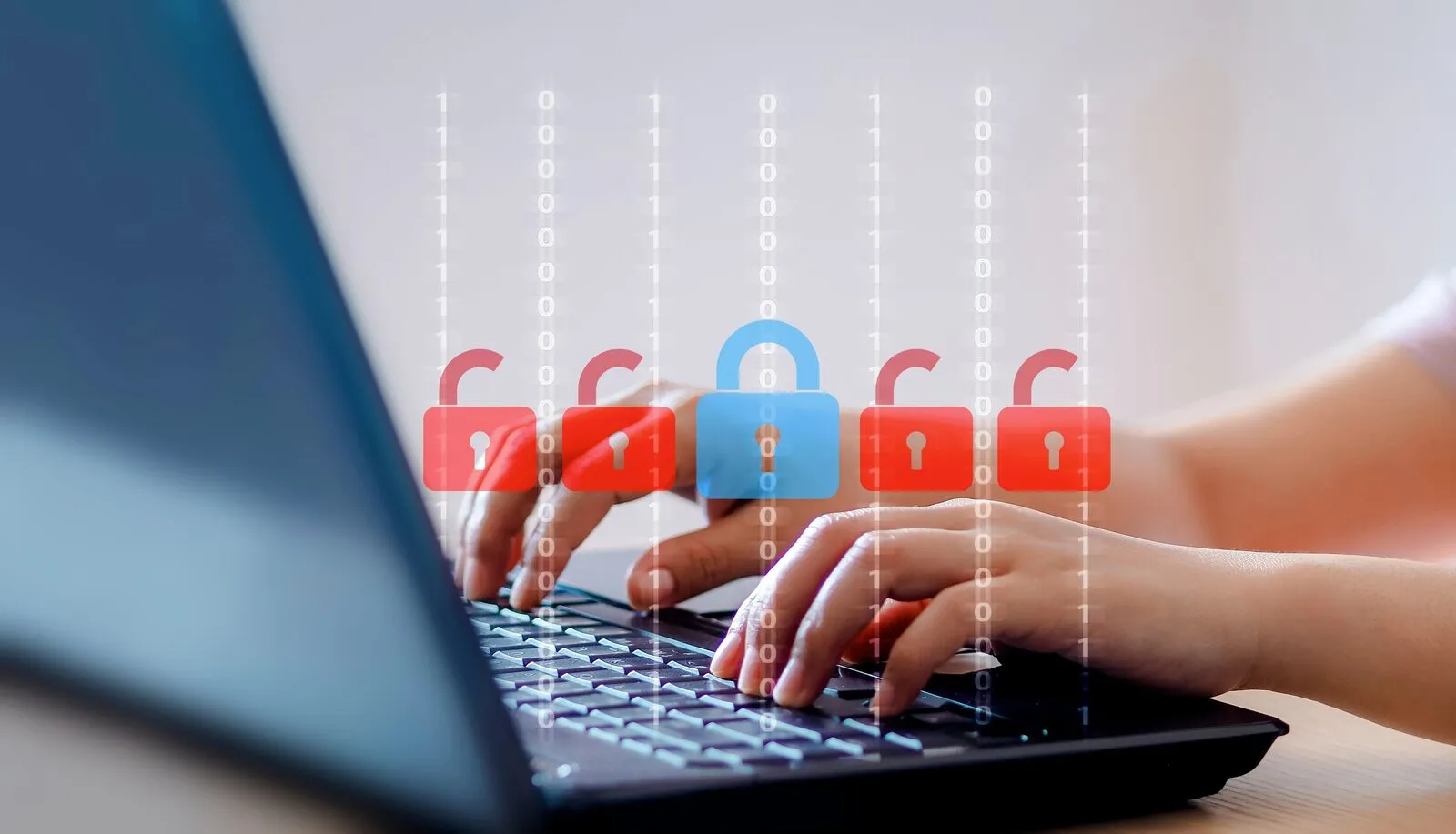
Hotels run on hospitality, trust and convenience. Guests book online, check in digitally, increasingly open their rooms with an app, use wifi, pay online and expect everything to run smoothly. Behind that seamless guest journey sits a complex digital network of booking platforms, property management systems, channel managers, point-of-sale systems, cameras, telephones, smart TVs, digital keys and supplier portals.
That, according to ethical hacker Sergen Koç, is exactly where the vulnerability lies. "The more systems are reachable via the internet, the more digital entry points there are. And hackers don't first check whether a hotel is large or small. They scan the internet for systems that are exposed or poorly secured. If they find something, they try to get in."
Thinking like a hacker
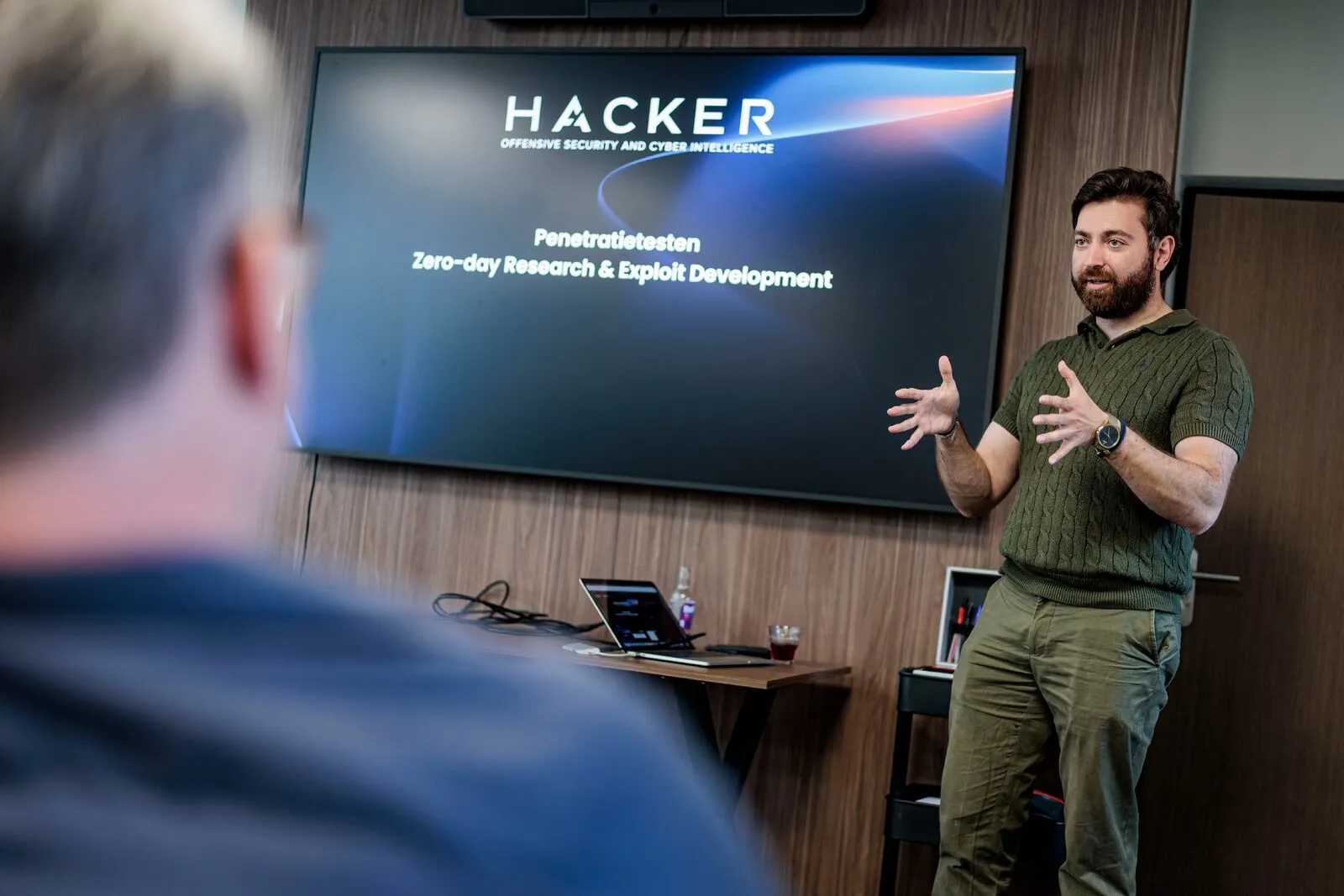
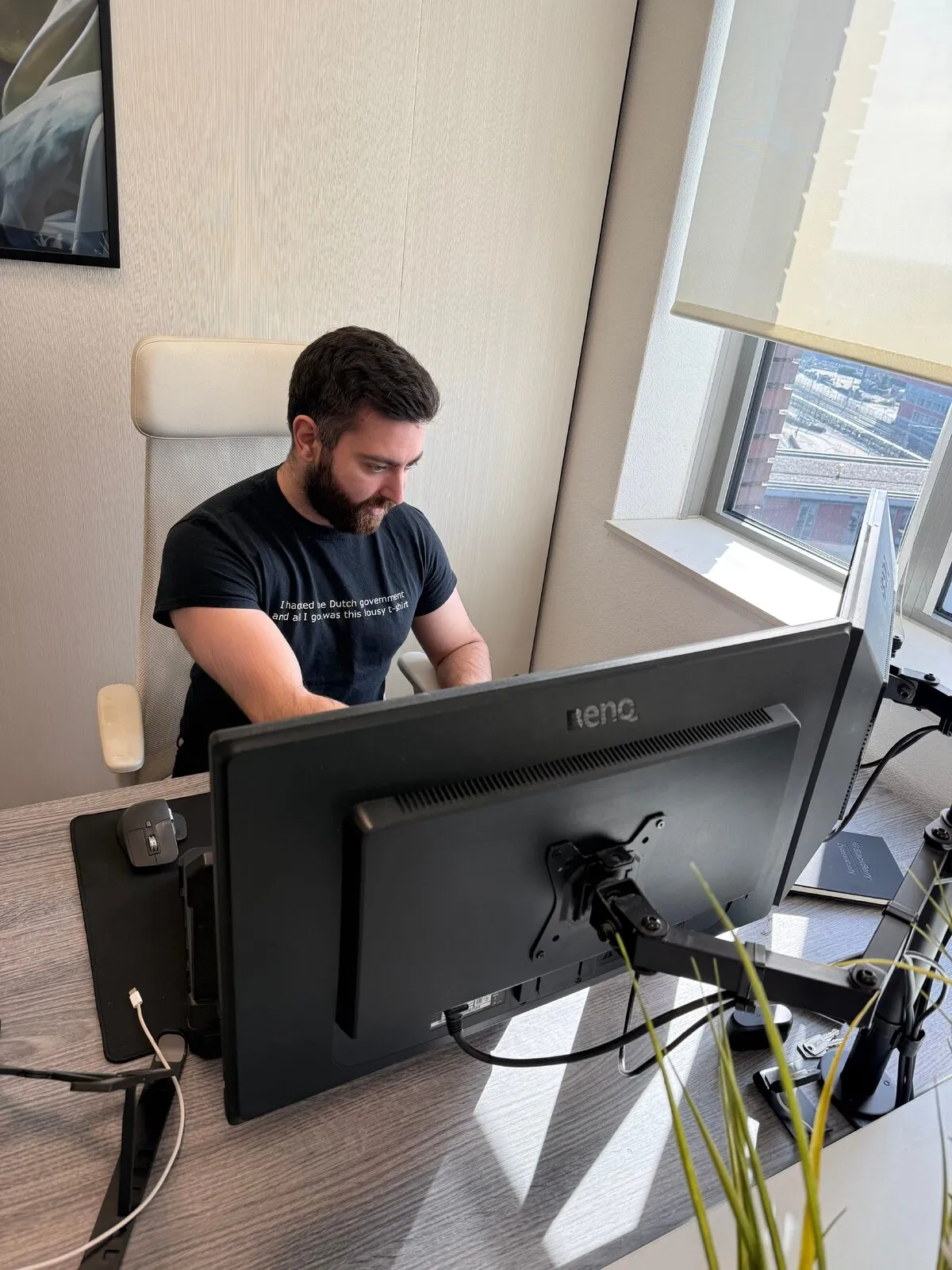
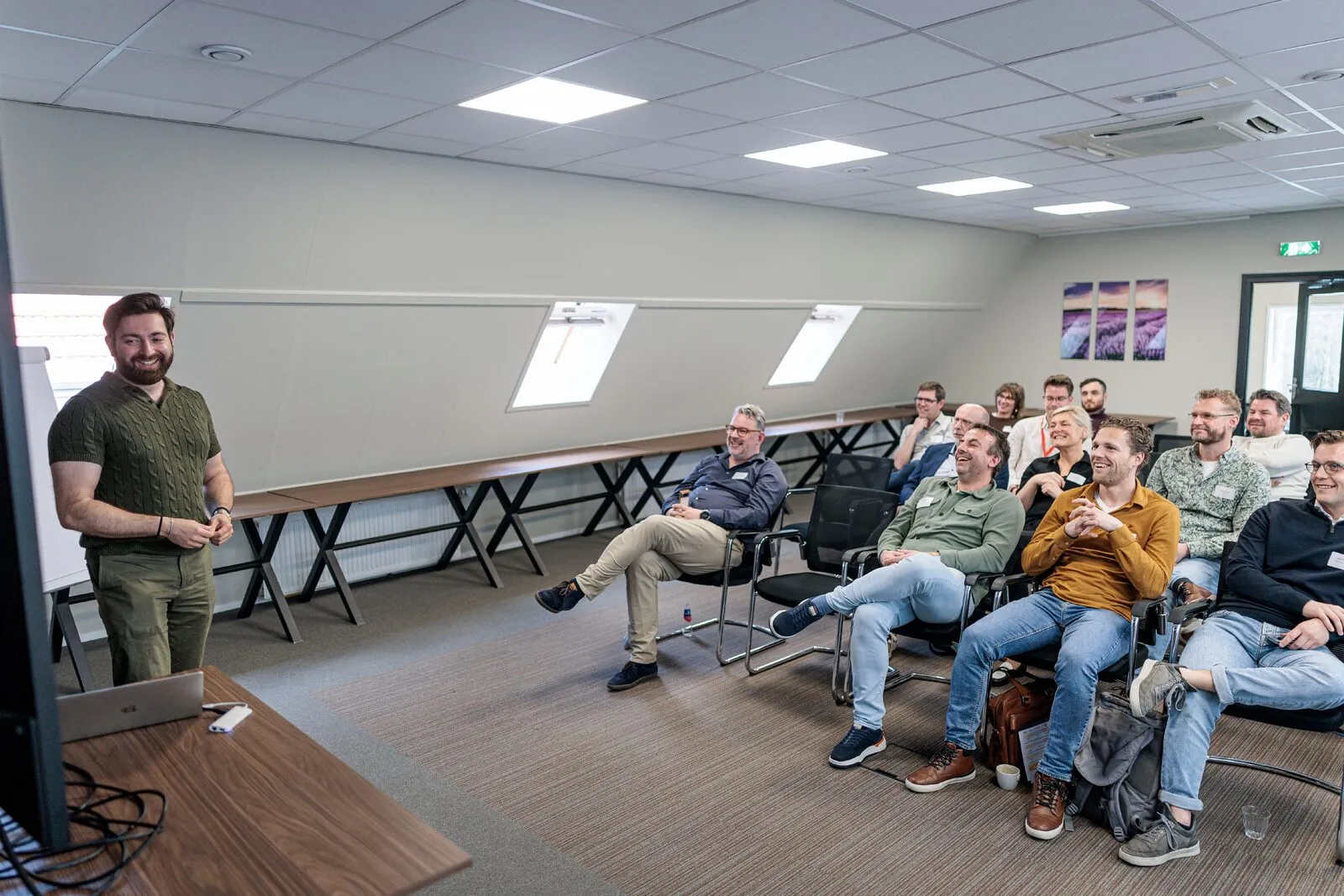
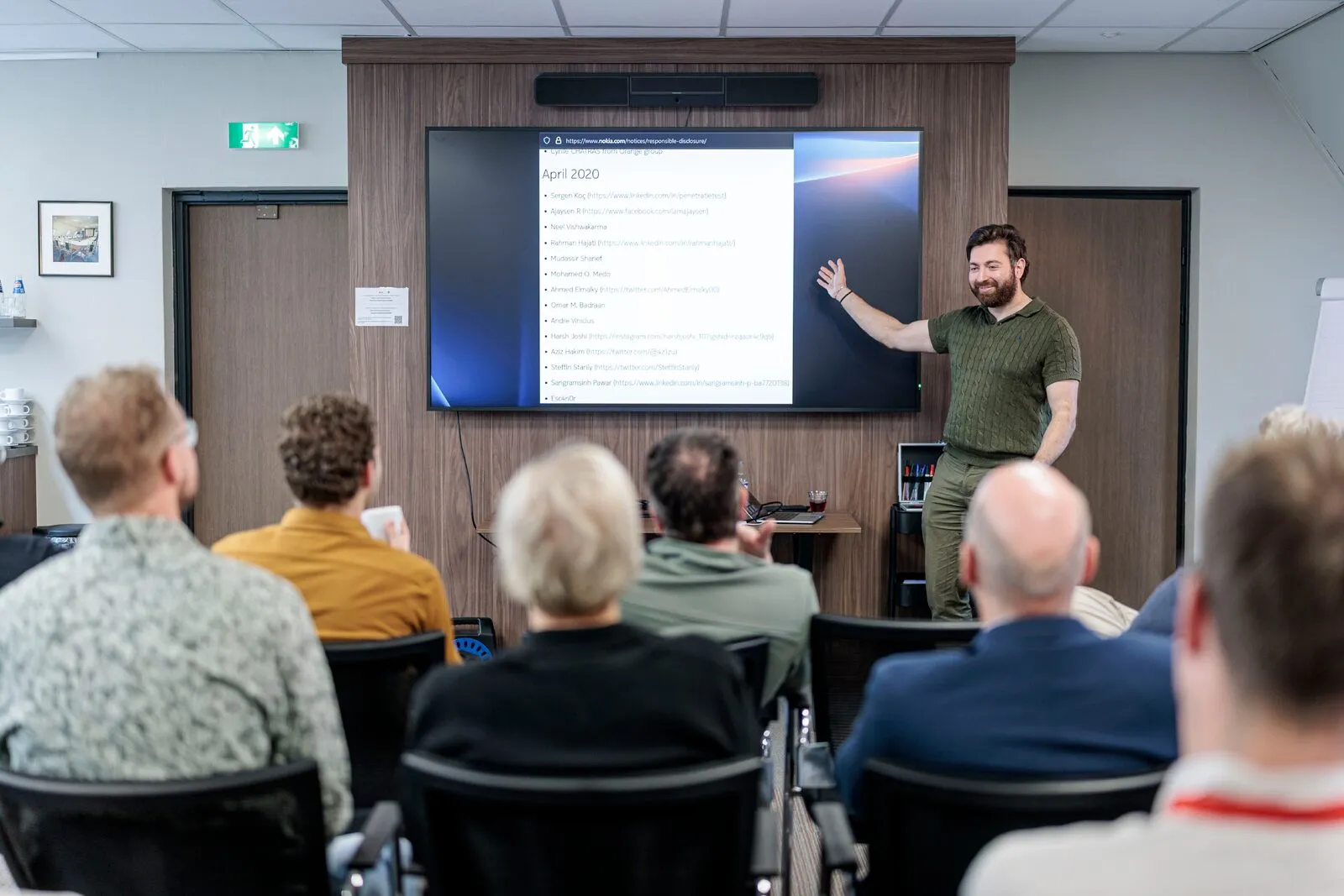
Koç knows what he is talking about. The Dutch cybersecurity specialist is the founder of Hacker B.V., a company focused on offensive security, cyberwarfare and penetration testing. In other words: Koç and his team think and work like hackers, but on behalf of companies and governments that want to know where their vulnerabilities lie before criminals discover them. His name now appears in the Hall of Fame of organisations including the Nationale Politie, OV-chipkaart, Achmea, KPN, Nokia, Apple, VPRO and the Koninklijke Nederlandse Akademie van Wetenschappen. He has also found vulnerabilities at Harvard University, among others. Koç became known nationwide after discovering a serious vulnerability in Apple's software. Through Apple's bug bounty programme he received a reward of 50,000 euros for it.
His route into cybersecurity was a striking one. Koç studied artificial intelligence and began his career at travel company TUI as a network and security engineer. After a major security incident, at the age of 25 he wrote an extensive playbook to guide the organisation through such a crisis. Shortly afterwards he became information security officer for TUI Nederland, with a multimillion budget to improve cybersecurity across offices, travel agencies, aircraft and cruise ships. During the Covid pandemic he taught himself to hack. Not to cause damage, but to better understand how attackers think. "If I know how hackers get in, I also know how to keep them out."
Hotels as targets
For hotels, that knowledge is more relevant than ever. In recent months the sector has repeatedly made negative headlines because of data breaches and stolen reservation data. According to Koç, that is no coincidence. Hotels hold a combination of data that is particularly valuable to criminals: names, email addresses, telephone numbers, dates of stay, booking numbers, payment details, billing addresses, information about travelling parties and sometimes even copies of passports. "With that information you can run very convincing phishing," says Koç. "If a criminal knows exactly when someone is arriving, which hotel they are staying at and which reservation number goes with it, a fake payment request suddenly looks very real. That is what makes it dangerous."
Too many digital entry points
On top of that, hotels are by nature service-oriented. Staff want to help guests. They solve problems, resend payment requests, amend reservations and answer questions by email, phone or at the front desk. That hospitable reflex is a strength, but it can also become a weakness, especially when staff are not sufficiently trained to recognise suspicious requests. According to Koç, a hacker usually starts not inside, but outside. "What is visible from the internet? Login pages, supplier portals, email settings, forgotten servers, remote management systems. Is something misconfigured? Are weak passwords being used? Can you send an email that looks as if it genuinely comes from the hotel? Those are the first things you look at."
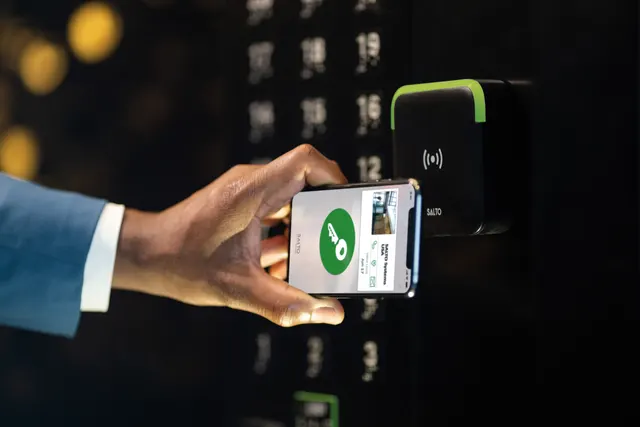
At hotels he sees a striking number of digital entry points: PMS systems, booking platforms, channel managers, cameras reachable via the internet, smart TVs, telephones and wifi networks. Security has often been considered, but not always from an attacker's perspective. The same applies to new technology such as digital room keys. "I assume suppliers look at security. But the question is: has it also been tested by someone who thinks like a hacker? Can you take an app apart, reverse engineer it and understand how the key is retrieved or presented to the door? Those are scenarios you need to test."
Wifi as the weak link
Hotel wifi also remains a point of concern. Koç notes that many hotels have since set up their networks better, but he still sees examples where the separation is not good enough. At a hotel where he stayed, he could reach other rooms on the same floor from his own room. "In theory you could make all the phones ring at the same time. I didn't do that, of course, but it shows that the segmentation was not set up properly. Then it may merely be irritating, but the same mistake in another system could have far greater consequences."
Shared accounts
Another vulnerability lies with staff. Hotels work with rotating shifts, temporary workers and seasonal employees. Accounts sometimes remain active after someone has left. Or shared accounts are used because it is quicker and easier. "I understand why that happens," says Koç. "If someone only comes to help for a week, you don't want to set everything up separately for each person. But a shared account usually calls for an easy password. And if nobody knows exactly who did what, it also becomes much harder to spot misuse."
Greater impact at small hotels
The idea that only large hotel chains are of interest to criminals is wrong, according to Koç. In fact, smaller hotels can be hit harder. "Hackers don't think: which hotel shall I attack today? They scan the internet automatically. If a small hotel with a vulnerable system turns up, that is interesting too. For a criminal, every euro counts." The damage can be greater at smaller hotels because they are often more dependent on a handful of digital systems and have fewer fallback options. Large chains usually have IT teams, crisis procedures and alternative processes. A smaller hotel is quicker to depend on outside help. If the PMS is down, reservations cannot be viewed and payments get stuck, operations come under pressure almost immediately. "Then it's not just about data," says Koç. "Then your business grinds to a halt."
Internet off, computers on
What should a hotel do if it suspects a break-in? Koç is clear: pull the internet connection, but do not switch systems off. "Don't shut down computers, don't shut down servers and don't touch anything. Pull the internet cable out. If necessary, cut it. That limits the damage, because a hacker can no longer download or move around the network. But the systems need to stay on for investigation." After that, it must be established what happened, where the attacker got in and which data was affected. A cyber insurance policy can help with a checklist, notifications to the Autoriteit Persoonsgegevens, a police report and the engagement of forensic IT specialists. It must also be checked that the attacker has not left a back door behind. "You may close the first entry point, only for someone to get in again three months later through something that was left behind earlier."
Overview of responsibilities
That is why Koç advocates an incident plan that is written down before anything goes wrong. A hotel runs 24 hours a day. So at three in the morning too, it must be clear who gets called, who takes decisions and which steps are taken. "Who is responsible? Who knows what to do? Who is allowed to disconnect systems? Who calls the IT supplier? You have to arrange that in advance." There is good news too. Hotels do not need a multimillion budget to take the first big steps. According to Koç, cybersecurity starts with overview and responsibility. "Know which digital doors are open. Know who holds the keys. And know who acts when a door turns out to be open."
In practical terms, this means: enable two-factor authentication on email, booking systems and key accounts. Ask suppliers whether systems such as the PMS, booking modules and digital keys have been independently tested. Have it demonstrated that the guest network is genuinely separated from internal systems. Train staff, including temporary workers, to spot phishing and suspicious requests. Avoid shared accounts. Make sure bank account numbers or large payments can never be changed by one person or from a single hacked account.
Test all back-ups
And do not forget the back-up. Many companies make back-ups but never test whether they can actually restore them. "I see that every day," says Koç. "On paper there is a back-up. But when things go wrong, it turns out nobody knows how to restore it, or the back-up doesn't work. Test it at least once a year." For hotel owners and operations managers, the message is therefore as simple as it is uncomfortable. Cybersecurity is no longer an IT detail. It is part of hospitality, business continuity and trust. A guest who gives a hotel their data trusts that it will be handled with care. If that trust is damaged, it hits the reputation directly.
"Everything in our society runs on trust," says Koç. "If that trust disappears, you no longer have a business."
Question about this story? Ask your question
Keep following this
Get an email when a new story is published. No account needed.
- SubjectHotel technology